
The best batteries for classic cars provide dependable starting power, suitable electrical capacity, and compatibility with older charging systems. Battery selection depends on engine size, climate, vehicle usage, and the original electrical configuration. Correct terminal placement and physical dimensions are essential for a secure installation.
Flooded lead-acid batteries are often affordable and widely available, while AGM batteries offer improved vibration resistance and reduced maintenance. Period-style batteries may suit restoration projects where original appearance matters. Choose sufficient cold-cranking amps for reliable starting and verify that the battery matches the vehicle’s voltage and charging requirements.
Before purchasing, check the owner’s manual or vehicle specifications for battery group size, polarity, terminal type, and capacity. Secure the battery properly and inspect cables for corrosion. Classic cars that sit unused for extended periods may benefit from a compatible battery maintainer to reduce discharge and extend battery life.
5 Best Battery For Classic Car
| Image | Title | Best For | Link |
|---|---|---|---|
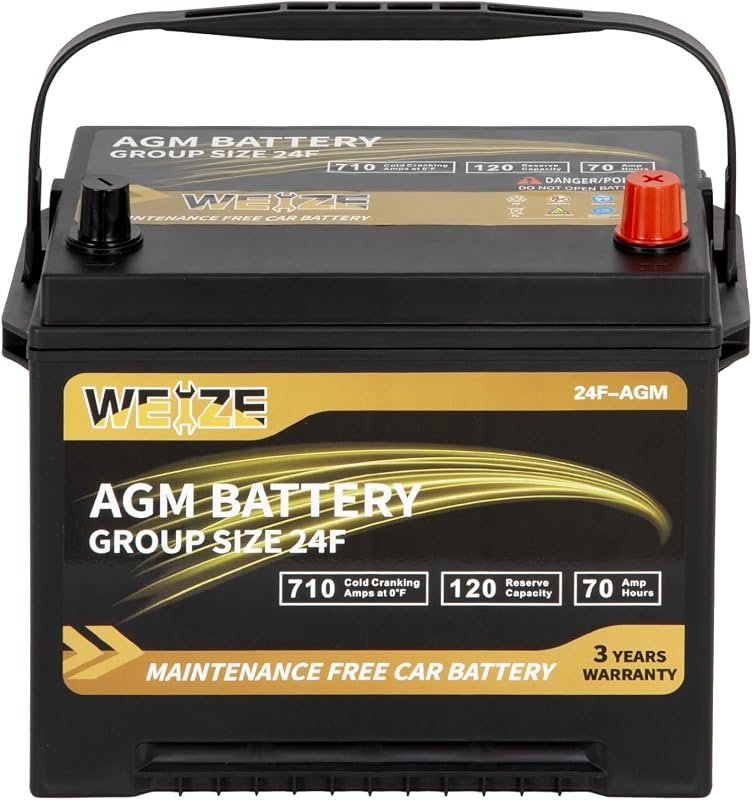 |
Weize Platinum AGM Group 24F Battery | Reliable starting power and durability for classic vehicle enthusiasts. | View on Amazon |
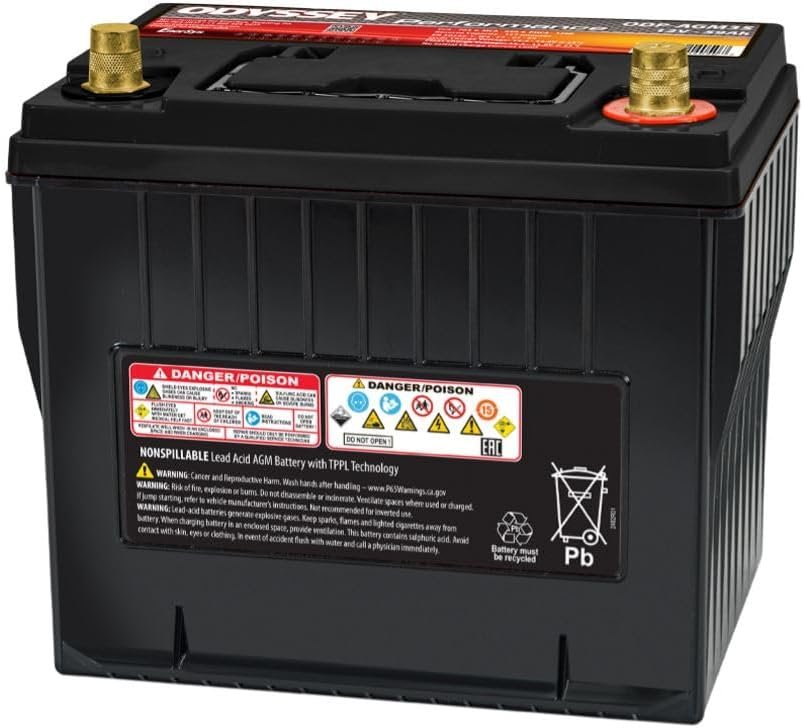 |
Odyssey 35-PC1400T AGM Battery | Superior starting power and deep cycle performance for frequent drivers. | View on Amazon |
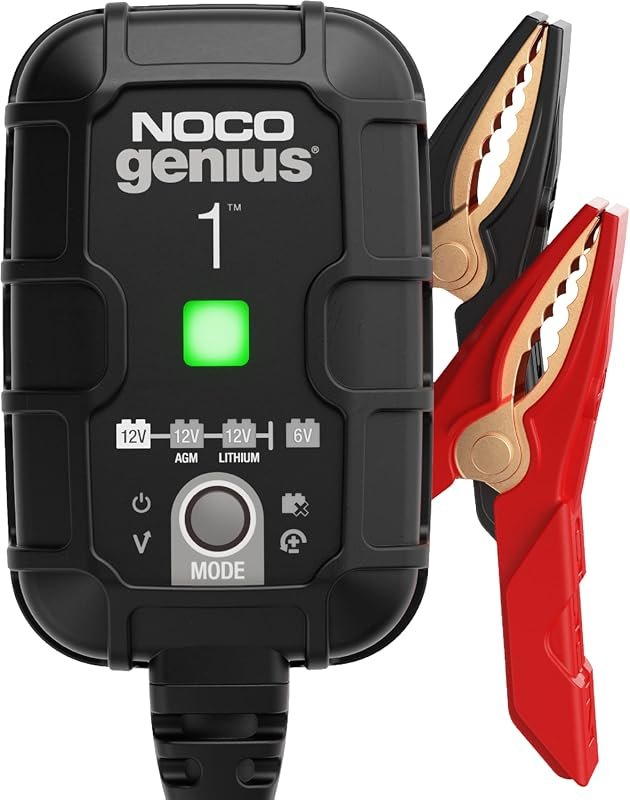 |
NOCO GENIUS1 Smart Battery Charger | Maintaining battery health during long periods of vehicle storage. | View on Amazon |
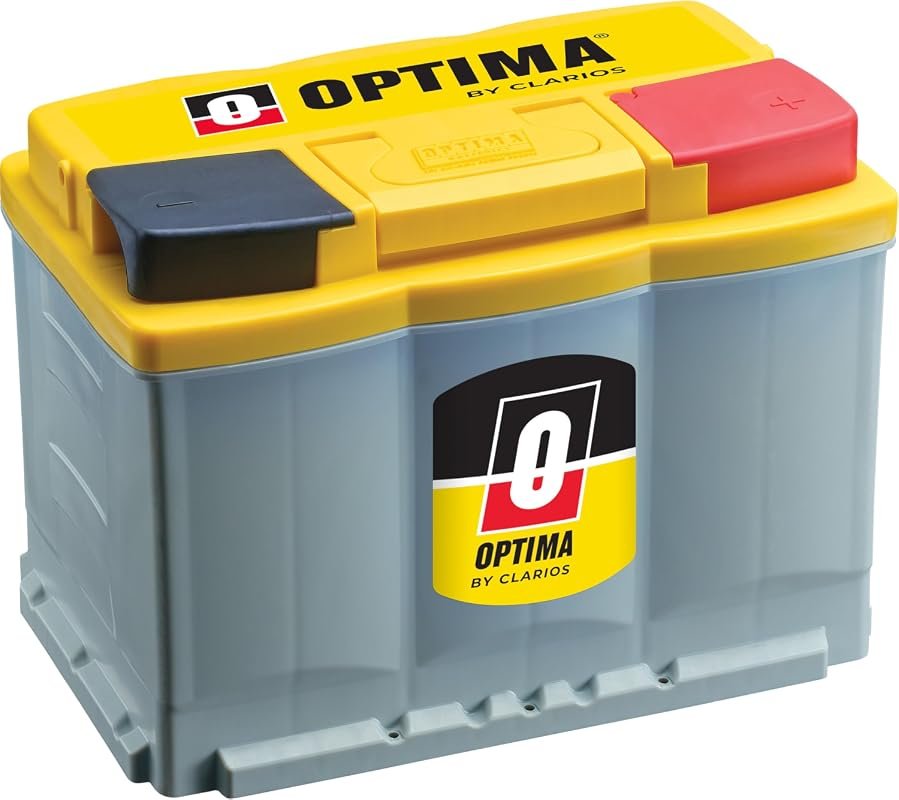 |
OPTIMA YELLOWTOP DH5 AGM Battery | High-performance applications requiring deep cycle and starting power. | View on Amazon |
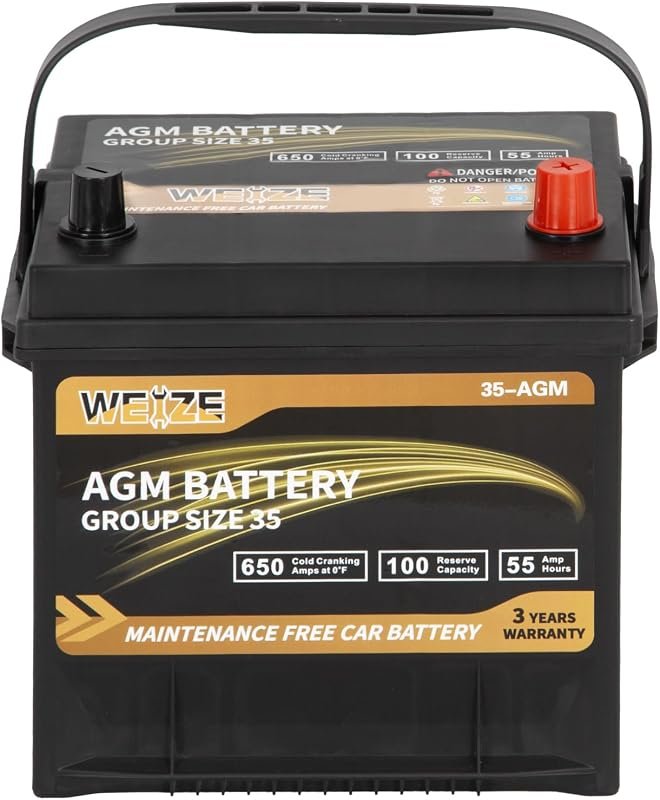 |
Weize Platinum AGM Group 35 Battery | Dependable performance for standard classic car daily or weekend use. | View on Amazon |
Our Top 5 Best Battery For Classic Car Reviews – Expert Tested & Recommended
1. Weize Platinum AGM Group 24F Battery
The Weize Platinum AGM battery is a standout choice for classic car owners who need consistent starting power without breaking the bank. It features an advanced absorbent glass mat design that stands up well to the vibrations and temperature swings that classic cars often experience.
Key Features That Stand Out
- ✓ 710 Cold Cranking Amps for reliable cold starts.
- ✓ AGM technology provides 2x the cycle life of flooded batteries.
- ✓ Excellent vibration resistance for older chassis.
- ✓ 36-month warranty ensures peace of mind.
Why We Recommend It
We love this battery because it balances modern technology with the rugged needs of vintage vehicles. It handles the charge and discharge cycles of a weekend car incredibly well, maintaining its integrity even after sitting in the garage for a few weeks.
Best For
Classic car enthusiasts looking for a dependable, everyday battery that handles occasional driving cycles with ease.
Pros and Cons at a Glance
2. Odyssey 35-PC1400T AGM Battery
If you demand top-tier performance for your vehicle, the Odyssey 35-PC1400T is in a league of its own. It offers massive cranking power and impressive deep cycle reserves, making it ideal for classic cars that have been upgraded with high-draw electronics or performance audio.
Key Features That Stand Out
- ✓ Massive 850 Cold Cranking Amps.
- ✓ Exceptional service life of 3 to 10 years.
- ✓ Rapid recharge capability.
- ✓ High resistance to extreme temperatures.
Why We Recommend It
The build quality is evident the moment you lift it. While it is an investment, the long-term reliability and the peace of mind knowing your engine will turn over every time—even after a long winter—make it worth every penny for serious collectors.
Best For
Owners of high-performance classic vehicles that require consistent, high-output power.
Pros and Cons at a Glance
3. NOCO GENIUS1 Smart Battery Charger
While not a battery itself, the NOCO GENIUS1 is an essential companion for the best battery for a classic car. If your classic car sits for long periods, this smart charger will keep your battery healthy, prevent sulfation, and ensure your car starts the moment you turn the key.
Key Features That Stand Out
- ✓ Compatible with 6V and 12V lead-acid and lithium batteries.
- ✓ Integrated thermal sensor to prevent overcharging.
- ✓ Ultra-compact design for tight garage spaces.
- ✓ Automatic maintenance mode for long-term storage.
Why We Recommend It
We believe every classic car owner should have one of these. It saves you from the frustration of a dead battery after a long storage period and significantly extends the life of whatever battery you currently have installed.
Best For
Owners whose cars spend more time in the garage than on the road.
Pros and Cons at a Glance
4. OPTIMA YELLOWTOP DH5 AGM Battery
Optima is a household name for a reason. The YellowTop DH5 is built to handle extreme duty, offering excellent vibration resistance and the ability to be mounted in almost any position. It is a fantastic choice for modified classic cars that need reliable deep cycle power.
Key Features That Stand Out
- ✓ 115 minutes of reserve capacity.
- ✓ Vibration-resistant PureFlow technology.
- ✓ 700 Cold Cranking Amps.
- ✓ Sealed design prevents leaks and corrosion.
Why We Recommend It
We recommend the Optima YellowTop for those who want a battery that doesn’t just sit there but performs under pressure. Whether you have an upgraded audio system or a classic with heavy power demands, this battery stays consistent.
Best For
Modified classic cars with extra electrical accessories that need heavy-duty cycling.
Pros and Cons at a Glance
5. Weize Platinum AGM Group 35 Battery
The Group 35 version of the Weize Platinum AGM is another excellent option for those looking for a fitment that matches many common classic car specs. It provides the same robust AGM benefits as the 24F, ensuring long life and reliable power.
Key Features That Stand Out
- ✓ 650 Cold Cranking Amps for steady starting.
- ✓ Durable design against high-heat engine bays.
- ✓ 100-minute reserve capacity.
- ✓ 36-month warranty included.
Why We Recommend It
This is a solid all-rounder. It fits well, performs predictably, and doesn’t require a lot of maintenance. For a standard classic car restoration, it is a set-it-and-forget-it solution that gets the job done.
Best For
Standard classic vehicle setups where reliability is the priority.
Pros and Cons at a Glance
Complete Buying Guide for Best Battery For Classic Car
Essential Factors We Consider
When searching for a new battery, always prioritize the group size, cold cranking amps (CCA), and reserve capacity. Classic cars have specific requirements that differ from modern vehicles, particularly regarding the battery tray dimensions and charging systems. AGM technology is generally preferred over traditional flooded batteries because of its vibration resistance and reduced risk of leaks.
Budget Planning
While a higher price tag often indicates better internal construction and longer warranties, your budget should also account for necessary accessories like a smart maintainer. Investing in a good battery charger can double the life of your battery, which is a massive cost-saving measure in the long run.
Final Thoughts
Choosing the best battery for a classic car is about balancing performance and longevity. We recommend sticking to reputable AGM brands that provide stable power for your vehicle’s specific engine needs. Always double-check your battery tray size before ordering to ensure a perfect, safe fit.
Frequently Asked Questions
Q: Should I use a standard battery or an AGM battery?
A: AGM batteries are significantly better for classic cars. They are more resistant to vibration, handle deep discharge better, and won’t leak acid, which protects your engine bay from rust.
Q: How can I keep my battery alive during the winter?
A: The best way is to use a trickle charger or smart battery maintainer like the NOCO Genius series. This keeps the battery at an optimal charge level and prevents sulfation.
Q: What does CCA mean?
A: Cold Cranking Amps measure a battery’s ability to start an engine in cold temperatures. Higher CCA is better for classic engines that may take more effort to turn over.