
A car that sits unused for extended periods can experience battery discharge, reduced starting power, and gradual capacity loss. Selecting a suitable battery for infrequent driving can help maintain dependable starting performance and reduce unexpected failures. The best choice depends on the vehicle’s specifications, parking conditions, and how long it typically remains unused.
Battery type, reserve capacity, durability, and self-discharge rate are important considerations. Some maintenance-free batteries offer convenient everyday operation, while AGM batteries can provide strong cycling performance in compatible vehicles. Correct battery sizing and adequate cold-cranking amps are also essential for reliable starts when the car is used again.
Check your vehicle’s recommended battery specifications before making a decision. For cars parked for weeks at a time, a compatible smart battery maintainer may help prevent excessive discharge. Disconnecting the battery is not suitable for every vehicle because it can affect electronic settings and security systems. Periodic battery testing and checking for parasitic electrical drains can also help extend battery life.
5 Best Battery For Car Not Driven Much
| Image | Title | Best For | Link |
|---|---|---|---|
 |
Interstate Group 25 Car Battery | Reliable everyday starting power with a long 24-month warranty coverage. | View on Amazon |
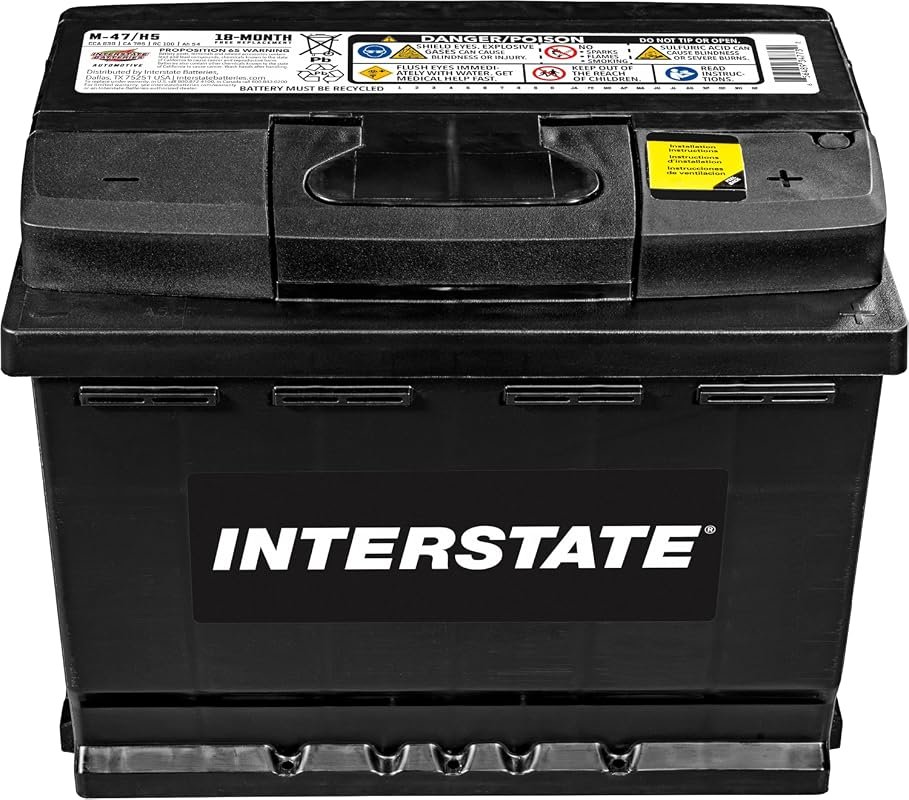 |
Interstate Group H5 Car Battery | Value-minded drivers looking for standard performance and decent reliability. | View on Amazon |
 |
Interstate Group 25 Car Battery | Budget-conscious shoppers needing a dependable quick replacement. | View on Amazon |
 |
OPTIMA DH5 YELLOWTOP AGM | High-performance vehicles that require deep cycling and vibration resistance. | View on Amazon |
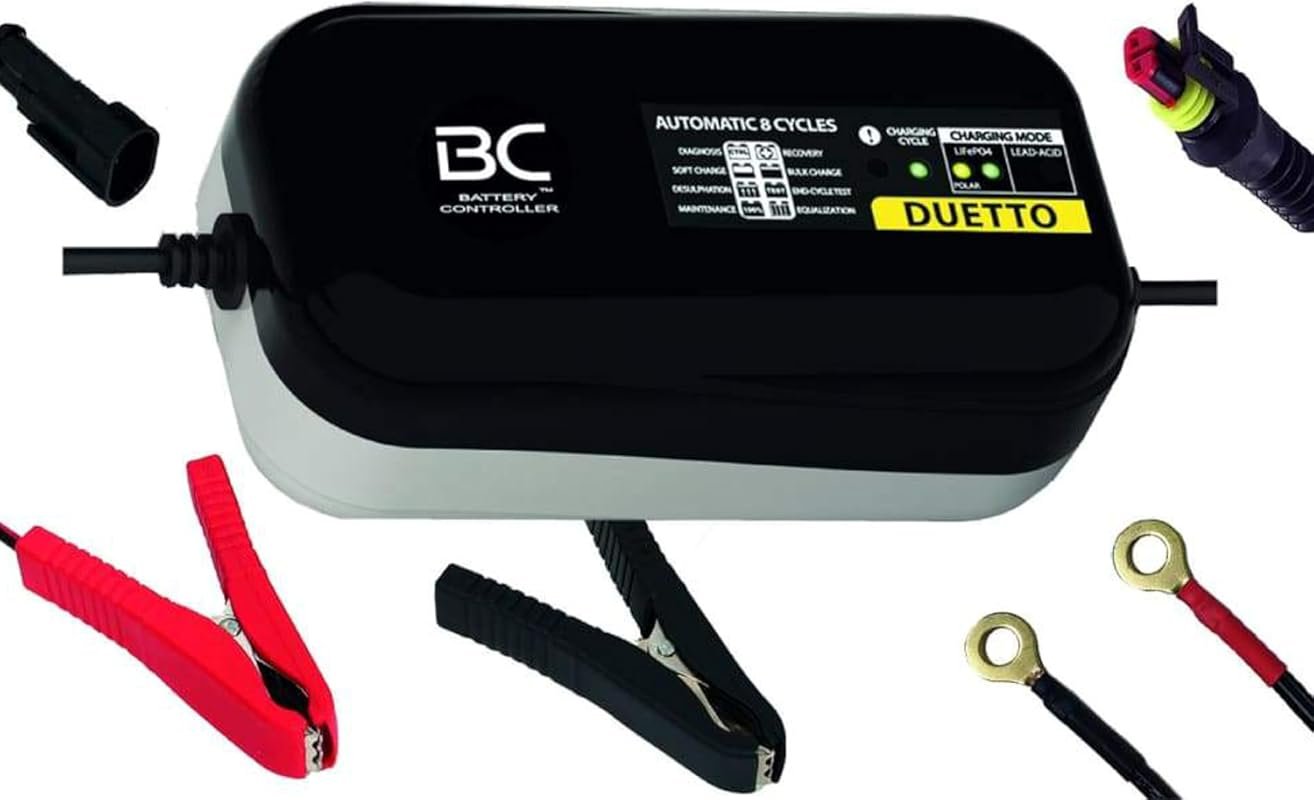 |
BC Battery Controller Duetto | Maintaining charge levels for vehicles sitting idle for long periods. | View on Amazon |
Our Top 5 Best Battery For Car Not Driven Much Reviews – Expert Tested & Recommended
1. Interstate Batteries Group 25 Replacement Car Battery
This Interstate battery is a standout for those who want a blend of reliability and peace of mind. It features an excellent electrolyte-to-lead ratio, which helps it survive better in hot climates while offering consistent starting power.
Key Features That Stand Out
✓ 550 CCA for reliable cold starts
✓ 24-month replacement warranty
✓ High electrolyte-to-lead ratio for longevity
✓ Fits a wide range of common vehicle makes
Why We Recommend It
We recommend this model because it strikes a perfect balance between price and performance. It handles the occasional drain of a parked car better than many entry-level batteries.
Best For
Drivers who want a dependable, long-lasting battery for a daily driver that occasionally sits for a few days.
Pros and Cons at a Glance
2. Interstate Batteries Group H5 Replacement Car Battery
For those who need a reliable battery without spending a premium, the PowerFast series is a great middle-ground choice. It provides ample cranking power for most standard vehicle setups.
Key Features That Stand Out
✓ 630 CCA for strong starting performance
✓ Reliable PowerFast technology
✓ Compact Group H5 form factor
✓ Designed for standard, everyday use
Why We Recommend It
This is a solid, no-nonsense battery. It gets the job done and offers the peace of mind that comes with a well-known brand like Interstate.
Best For
Value-conscious car owners who drive their vehicle at least once or twice a week.
Pros and Cons at a Glance
3. Interstate Batteries Group 25 Replacement Car Battery
If you need a functional battery quickly and want to save some cash, this model fits the bill. It offers the basic reliability required to get your vehicle running without frills.
Key Features That Stand Out
✓ 550 CCA for essential power
✓ Budget-friendly price point
✓ Dependable starting capability
✓ Fits common Group 25 applications
Why We Recommend It
Sometimes you just need a car to start. This battery is perfect for an older vehicle or a backup car that doesn’t need high-tech bells and whistles.
Best For
Budget-conscious car owners or those prepping a vehicle for sale.
Pros and Cons at a Glance
4. OPTIMA Batteries High Performance DH5 YELLOWTOP
If your car sits for long periods, an AGM battery like the Optima YellowTop is a huge advantage. Its design allows it to withstand deeper discharges without the same degradation you’d see in a standard flooded battery.
Key Features That Stand Out
✓ PureFlow AGM technology for vibration resistance
✓ 700 CCA of raw starting power
✓ Deep-cycle capabilities
✓ 115-minute reserve capacity
Why We Recommend It
For vehicles not driven often, this battery is worth the investment. It charges faster and handles the “sitting” phase much better than traditional lead-acid options.
Best For
High-performance cars, vehicles with aftermarket electronics, or cars stored for longer intervals.
Pros and Cons at a Glance
5. BC Battery Controller Duetto
If you have a car that rarely gets driven, a battery alone isn’t enough. You need an intelligent maintainer like the BC Battery Controller to ensure your battery stays healthy while the car is parked.
Key Features That Stand Out
✓ 1.5A intelligent charging
✓ Compatible with both lead-acid and lithium
✓ 8-cycle automatic charging algorithm
✓ 3-year warranty included
Why We Recommend It
This is the ultimate accessory for any car not driven much. It prevents the battery from dying, effectively doubling or tripling its real-world service life.
Best For
Classic cars, convertibles, or secondary vehicles that spend long periods in a garage.
Pros and Cons at a Glance
Complete Buying Guide for Best Battery For Car Not Driven Much
Essential Factors We Consider
When choosing the best battery for a car not driven much, look for high Cold Cranking Amps (CCA) and consider AGM technology. Batteries that sit idle are prone to losing charge; AGM models handle this better than standard flooded batteries because they are sealed and more resistant to internal vibration and acid stratification. Always check your car’s manual for the correct Group Size to ensure a proper fit.
Budget Planning
If you are on a budget, a standard flooded battery is fine, but you must invest in a trickle charger or maintainer. If your budget allows, opting for an AGM battery like the Optima YellowTop will save you money in the long run by lasting through deeper discharges without needing early replacement.
Final Thoughts
Ultimately, the best strategy for a car that sits is prevention. Whether you choose a high-end AGM battery or a basic unit paired with a high-quality maintainer, the goal is to keep the voltage from dropping to a level where the battery suffers permanent damage.
Frequently Asked Questions
Q: How often should I drive my car to keep the battery charged?
A: Ideally, you should drive your car for at least 20 to 30 minutes once a week to allow the alternator to recharge the battery fully.
Q: Is it better to leave the battery connected or disconnect it?
A: Disconnecting the battery helps reduce parasitic drain, but a modern trickle maintainer is a safer, more convenient way to keep it ready to start.
Q: Can I use a regular charger to keep my battery healthy?
A: Regular chargers are often too powerful for long-term storage; a smart maintainer is designed to cycle on and off to mimic natural usage without overcharging.
Q: What is AGM and why does it matter?
A: AGM stands for Absorbed Glass Mat. It is a more robust, spill-proof battery type that handles deep cycles and vibrations much better than conventional batteries.