
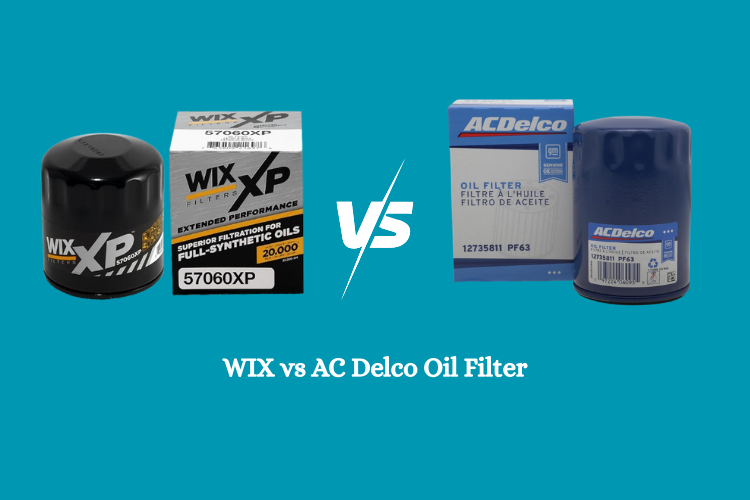
Car owners want an oil filter that keeps engines clean and performance steady mile after mile. Two trusted names often spark debate: WIX Filters and ACDelco. Each brand builds a strong reputation through quality materials, smart engineering, and consistent results on the road.
Drivers praise WIX for rugged construction and high dirt-holding capacity, while ACDelco earns loyalty through OEM heritage and precise fit for many GM vehicles. Real differences appear in filter media design, bypass valve performance, anti-drain back valves, and overall longevity.
Price also plays a role, especially for drivers who stick to strict maintenance schedules. Some vehicles respond better to one brand based on engine design and oil flow demands.
This comparison breaks down build quality, filtration efficiency, durability, and value so drivers can decide which oil filter delivers the protection their engine truly needs.
WIX Oil Filter vs AC Delco Oil Filter
Oil moves through an engine every second. It lubricates bearings. It cools pistons. It carries away dirt and metal dust. An oil filter stands between that dirt and your engine parts. Small differences in filter design can change engine wear over time.
WIX 57060XP and ACDelco PF63 both protect engines, but they follow different design goals. One focuses on extended synthetic oil use.
The other follows factory GM engineering standards. Deep details below explain filtration data, oil flow control, bypass valve design, material strength, and real-world driving impact.
WIX Oil Filter Replacement
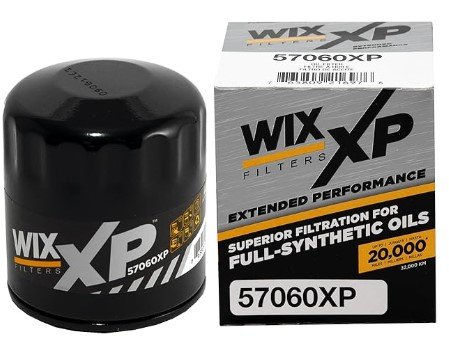
WIX 57060XP belongs to the XP extended performance line. XP filters target synthetic oil users who drive long distances or face harsh conditions. Heat, heavy traffic, towing loads, and high RPM driving increase oil contamination. This filter handles those conditions with high-capacity media and strong construction.
Steel outer shell measures about 6.67 inches in length. Larger size allows more internal filter media surface area. More surface area means more dirt storage and longer service life.
Features
Synthetic-blended media
WIX uses a mix of synthetic fibers and natural fibers. Synthetic fibers keep structure stable under high heat. Natural fibers increase dirt-holding ability. This balance improves both flow and filtration.
99% efficiency at 23 microns
A micron measures particle size. One micron equals one-millionth of a meter. Most engine wear particles range between 10 and 30 microns. This filter captures 99% of particles at 23 microns, which covers a large portion of harmful debris.
Up to 20,000-mile service interval
Synthetic oil often supports longer drain intervals. This filter matches that capability. High dirt capacity allows oil to remain cleaner for longer periods.
No wire backing
Traditional filters use metal mesh for support. WIX designs fiber structure strong enough to avoid wire mesh. Oil flows smoothly across the surface without added restriction.
Strong steel housing
Cold starts create high oil pressure. Thick steel casing resists burst pressure during those moments.
What is the good?
High filtration precision reduces long-term engine wear. Fine particles that damage bearings stay trapped inside the media. Large media surface increases contaminant storage. Oil flow remains stable even near the end of the service life.
Extended oil change interval saves time and reduces labor costs for high-mileage drivers. Synthetic-compatible design handles higher oil temperatures, often above 250°F during heavy driving. Strong gasket seal prevents leaks. Proper sealing protects oil pressure stability.
What is the bad?
Higher price compared to OEM standard filters. Large body size may feel tight in compact engine compartments. Full benefit appears mainly when paired with synthetic oil and long drain schedules.
Best For
Drivers who use synthetic oil exclusively. Long-distance commuters who drive 15,000 to 20,000 miles per year. Towing vehicles. Heavy-duty SUV or truck owners. Drivers who prefer fewer oil changes.
ACDelco PF63 Engine Oil Filter
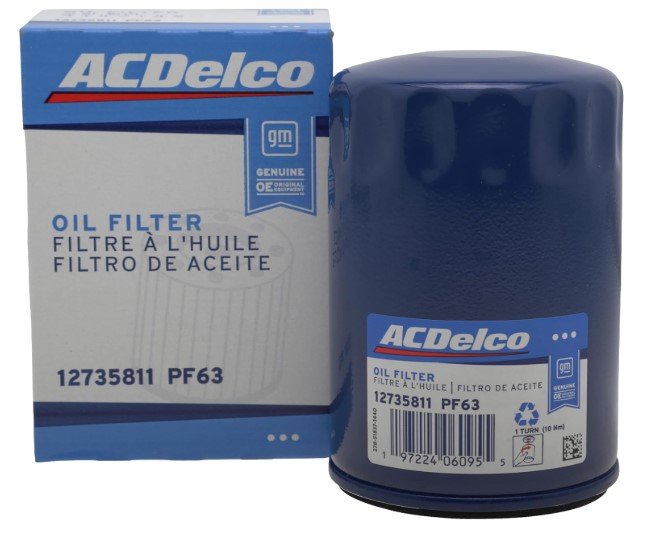
Product Details
ACDelco PF63 serves as a GM factory-approved oil filter. GM engineers design and test this filter for Chevrolet, Buick, GMC, and Cadillac vehicles. Bypass pressure and oil flow characteristics match GM engine specifications. Compact dimensions measure about 4.6 inches in length. Smaller size fits tight engine bays in modern vehicles.
Features
Duraguard filter media
Duraguard media captures abrasive particles like dirt, soot, and metal shavings. It balances filtration efficiency and oil flow to meet OEM standards.
Nylon poppet bypass valve
Bypass valves open when oil pressure rises too high or when the filter becomes restricted. GM engines require specific bypass pressure settings. PF63 matches those settings precisely. Correct bypass pressure prevents unfiltered oil from circulating too early.
Designed for high-flow GM engines
Modern GM engines use high-flow oil pumps. Filters must allow enough flow without triggering bypass too soon. PF63 matches those high-flow requirements.
Factory-tested reliability
GM engineers validate performance under heat, pressure, and long-term use conditions.
What is the good?
Exact factory match for many GM vehicles. Proper bypass pressure protects bearings from oil starvation. Balanced oil flow maintains stable lubrication under normal driving conditions.
Affordable price suits standard maintenance intervals. Compact size fits easily and installs quickly.
What is the bad?
Designed mainly for standard oil change intervals of 5,000 to 7,500 miles. Filtration efficiency data does not reach extended synthetic filter levels like 99% at 23 microns. Smaller media area limits long-drain performance.
Best For
Owners of GM vehicles who follow manufacturer service schedules. Drivers who change oil regularly within recommended mileage. Daily commuters with moderate driving conditions.
Detailed Comparison for WIX vs AC Delco Oil Filter
Comparison Table
| Feature | WIX 57060XP | ACDelco PF63 |
|---|---|---|
| Filter Type | Extended performance | OEM standard |
| Filtration Efficiency | 99% at 23 microns | OEM balanced efficiency |
| Service Interval | Up to 20,000 miles | 5,000–7,500 miles |
| Media Type | Synthetic-blended | Duraguard |
| Bypass Valve | Standard calibrated | GM nylon poppet OEM setting |
| Filter Size | Larger body | Compact body |
| Oil Focus | Synthetic oil | OEM oil intervals |
| Ideal User | High-mileage driver | GM daily driver |
Technical Performance Differences
Filtration Depth
WIX XP captures very small particles consistently. Long-term engine wear often results from particles between 10 and 25 microns. Higher efficiency reduces that risk.
ACDelco PF63 focuses on meeting GM minimum and optimal specifications. Filtration remains strong but not optimized for extreme long intervals.
Oil Flow and Pressure Control
PF63 shines in bypass control. GM engines require specific pressure settings. Incorrect bypass pressure can cause oil starvation or allow dirty oil through too soon. PF63 matches that requirement closely. WIX maintains strong oil flow but does not tailor bypass settings specifically to one manufacturer.
Heat Resistance
Synthetic media in WIX resists heat better over long intervals. Heat from towing or highway driving may reach 230–260°F oil temperatures. Synthetic fibers maintain structure under those conditions. PF63 handles normal operating temperatures well but targets factory service intervals rather than extended extreme use.
Cost Efficiency Over Time
WIX costs slightly more per filter but lasts longer. One 20,000-mile cycle may replace three standard 6,000-mile cycles. PF63 costs less per unit but requires more frequent replacement.
FAQs
Does WIX protect better in heavy driving?
Yes. Higher filtration efficiency and extended media capacity support heavy use.
Does ACDelco protect bearings better in GM engines?
Yes. Correct bypass pressure calibration matches GM design and protects oil flow balance.
Which filter saves more money long term?
WIX may save money for high-mileage drivers due to fewer replacements. PF63 costs less per purchase but requires more frequent changes.
Can both filters use synthetic oil?
Yes. WIX targets synthetic oil specifically. PF63 works with synthetic oil within normal intervals.
Which one fits non-GM vehicles?
WIX supports multiple brands from 2007 to 2015 models. PF63 focuses mainly on GM vehicles.
Conclusion
WIX Oil Filter vs AC Delco Oil Filter shows two different strengths. WIX 57060XP delivers high filtration efficiency and long service life for synthetic oil users and heavy driving conditions. ACDelco PF63 delivers factory-matched performance with correct bypass pressure for GM engines under normal maintenance schedules.
Drivers who travel long distances or prefer extended oil intervals may benefit more from WIX. GM vehicle owners who want OEM-spec reliability and standard service intervals may prefer ACDelco. Both protect engines well when matched with the right driving habits and oil type.