
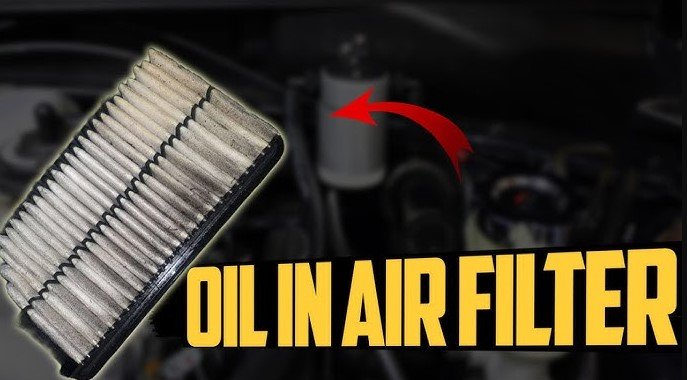
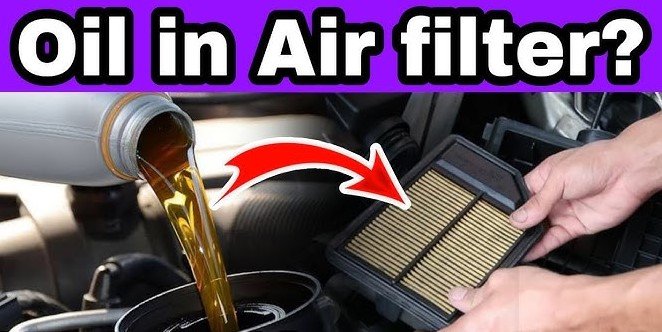
Oil inside your air filter box can raise serious concerns about engine health. This problem often signals trouble in the crankcase ventilation system, piston rings, or engine overfill. Your air intake system should only pull in clean air, so oil buildup points to pressure imbalance or worn internal parts.
Many drivers notice reduced performance, rough idling, or dark smoke along with this issue. Ignoring the signs can lead to clogged filters, lower fuel efficiency, and long-term engine damage.
A small amount of oil mist may seem harmless, but repeated buildup demands attention. Engines rely on proper airflow to maintain power and efficiency. Excess oil in the intake disrupts that balance and affects combustion quality.
Clear diagnosis helps you fix the root cause instead of replacing parts without reason. Understanding why oil appears in your air filter box helps you protect your engine and avoid costly repairs.
Table of Contents
ToggleWhy Is There Oil in My Air Filter Box?
Oil inside the air filter box can feel alarming. Air should flow in. Oil should stay inside the engine. So why is there oil in my air filter box?
This problem often links to engine pressure, wear, or poor maintenance. Some cases stay minor and easy to fix. Other cases point to deeper engine damage. Clear knowledge helps you avoid guesswork.
This guide explains every common cause in detail. You will learn how the system works, what numbers matter, and what signs show real danger.
How the Air Intake and Crankcase System Work?
An engine burns fuel and air. During combustion, small gases slip past the piston rings. Mechanics call this “blow-by.” Every engine has some blow-by. Even a new engine.
Blow-by creates pressure inside the crankcase. Pressure must escape. The PCV system handles this job.
The PCV system:
-
Pulls gases from the crankcase
-
Sends them back into the intake manifold
-
Burns them again in the engine
This process reduces pollution and keeps pressure stable.
Oil mist mixes with these gases. A tiny amount travels through the system. That light mist can reach intake pipes. This remains normal. Trouble begins when pressure rises too high or oil control fails.
Main Reasons Oil Appears in the Air Filter Box
1. High Crankcase Pressure
Normal crankcase pressure stays low. Most engines keep slight vacuum inside. This helps seal rings and prevent leaks. Excess pressure forces oil out through seals and hoses. Air intake becomes an easy path.
High pressure often happens because:
-
PCV valve fails
-
Breather hose blocks
-
Piston rings wear out
Pressure increase can push liquid oil, not just vapor.
2. PCV Valve Failure
The PCV valve acts like a one-way gate. It opens and closes based on engine vacuum.
At idle:
-
Engine vacuum stays high
-
PCV valve partly closes
-
Gas flow stays controlled
At higher RPM:
-
Vacuum drops
-
Valve opens wider
-
More gases flow out
A stuck-open valve pulls too much oil mist. A stuck-closed valve traps pressure. Many manufacturers suggest PCV inspection every 30,000 to 50,000 miles. Dirty oil shortens its life.
Symptoms include:
-
Oil inside intake tube
-
Whistling noise
-
Rough idle
-
Oil leaks from gaskets
This part costs little but plays a big role.
3. Overfilled Engine Oil
Oil level above the maximum mark causes serious trouble. Crankshaft rotates thousands of times per minute.
At 3,000 RPM, it spins 50 times every second. High oil level allows spinning parts to whip the oil. This creates foam and extra pressure.
Foamed oil:
-
Loses lubrication strength
-
Increases internal pressure
-
Moves easily into ventilation lines
Even half a quart too much can cause problems in smaller engines. Check oil after engine cools. Park on flat ground. Keep level between the two marks.
4. Worn or Damaged Piston Rings
Piston rings seal combustion pressure. Healthy engines show about 10% or less blow-by gases. Worn rings allow more gases to escape into the crankcase. Pressure rises fast under load.
Compression numbers help detect this:
-
Healthy gasoline engines often show 120–200 PSI per cylinder
-
Low or uneven readings suggest ring wear
Other signs:
-
Blue exhaust smoke
-
Spark plugs covered in oil
-
Oil use more than 1 quart per 1,000 miles
Ring wear often appears after 100,000 miles or more. Poor oil changes speed up this damage.
5. Blocked Breather System
Sludge builds up inside hoses over time. Short trips increase sludge because the engine never gets hot enough to burn moisture. Moisture mixes with oil vapor. Thick deposits form. Hoses narrow. Flow slows.
Blocked hoses cause:
-
Oil leaks at seals
-
Engine smell inside cabin
-
Oil pushed into air box
Routine cleaning prevents this issue.
6. Turbocharger Seal Leaks
Turbo engines create more air pressure. Boost pressure can exceed 10 to 20 PSI in many cars. Performance models may reach 30 PSI or more.
Turbocharger bearings use engine oil for lubrication. Seals keep oil inside. Worn seals leak oil into intake piping. Oil then travels toward the air filter or throttle body.
Symptoms include:
-
Boost loss
-
Whining turbo noise
-
Thick blue smoke under acceleration
Turbo repairs cost more than PCV repairs.
Engine Oil Consumption and Data
All engines consume some oil. Many car makers accept up to 1 quart per 1,000 miles as normal in high-mileage engines.
Excess oil consumption links closely to oil in the intake system.
Common reasons:
-
Worn valve seals
-
Ring wear
-
High RPM driving
-
Low-quality oil
Thin oil types may pass rings more easily in older engines.
How Oil Affects Air Filters and Performance?
Paper air filters trap dust using fine fibers. Oil coats these fibers and blocks airflow.
Restricted airflow leads to:
-
Rich fuel mixture
-
Lower MPG
-
Reduced engine power
-
Check engine light
Mass airflow sensors also suffer. Oil vapor coats the sensor wire. Dirty sensors send wrong data to the engine computer. A small airflow drop can reduce fuel economy by 5–10%.
Step-by-Step Deep Inspection Guide
Step 1: Measure Oil Level
Check cold engine. Correct level first before deeper checks.
Step 2: Inspect Intake Tube
Remove intake hose. Look for heavy oil film or puddles.
Step 3: Test PCV Valve
Remove valve. Shake it. Replace it if no movement or heavy dirt appears.
Step 4: Check Engine Compression
Ask for compression test. Uneven cylinders signal ring issues.
Step 5: Examine Exhaust Smoke
Blue smoke during acceleration points to oil burning.
Step 6: Scan Engine Codes
OBD scanner may show lean or rich codes due to airflow restriction.
Long-Term Risks of Ignoring the Problem
Oil inside the intake system can cause:
-
Catalytic converter damage
-
Oxygen sensor failure
-
Carbon buildup on intake valves
-
Reduced engine life
Catalytic converters cost much more than PCV valves. Early repair saves money.
Prevention Tips With Real Impact
Regular oil change remains the most important habit.
Follow these guidelines:
-
Change oil every 5,000 to 7,500 miles for most vehicles
-
Use correct viscosity grade
-
Avoid frequent short trips
-
Warm engine fully during drives
-
Inspect hoses yearly
Clean engines build less sludge. Less sludge means less blockage and lower pressure.
FAQs
Why does oil return after I clean the air box?
Cleaning removes the symptom. Pressure or oil control issue still exists. Fix the root cause.
Can synthetic oil reduce this issue?
Synthetic oil resists breakdown and sludge. It may reduce deposits. It cannot fix worn piston rings.
Does high mileage always cause oil in the intake?
High mileage increases risk, but good maintenance keeps engines clean for many years.
Can cold weather make it worse?
Cold weather increases condensation. More moisture forms sludge. Short trips increase this risk.
Should I replace the whole air intake system?
Full replacement rarely solves the issue. Focus on PCV system, oil level, and engine health first.
Conclusion
Oil in the air filter box usually links to pressure imbalance inside the engine. Small vapor traces stay normal. Thick oil signals deeper trouble.
PCV failure, overfilled oil, worn rings, blocked hoses, and turbo leaks rank as the main causes. Quick inspection prevents larger repair bills.
Simple maintenance protects engine life. Correct oil level. Clean ventilation system. Healthy piston rings. These three factors keep oil where it belongs and air flowing freely.