
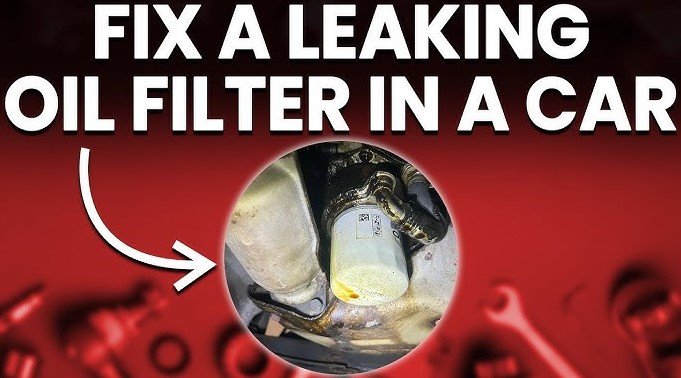
An oil filter leak can cause serious problems for your engine if left unchecked. Spotting oil puddles under your car or noticing a drop in oil levels signals that something is wrong.
Leaks can result from loose filters, worn-out gaskets, or improper installation, and ignoring them can lead to engine damage or costly repairs. Drivers often confuse minor drips with harmless issues, but even small leaks affect performance and efficiency.
Regular maintenance and careful inspection can prevent leaks from worsening. Understanding the signs of a failing oil filter helps you act quickly and avoid breakdowns.
This guide explains why oil filters start leaking, how to identify the source, and what steps to take to fix the problem safely. Protecting your engine starts with knowing these common causes and solutions, ensuring your vehicle stays reliable and runs smoothly.
Why Is My Oil Filter Leaking?
The oil filter plays a key role in keeping an engine healthy. It cleans engine oil by removing dirt, metal particles, and other harmful debris.
A leaking oil filter can cause serious engine problems. Leaks reduce engine lubrication, increase friction, and can even lead to engine failure.
Many drivers notice small oil spots under the car or burning oil smells and wonder why it happens. Understanding the reasons behind oil filter leaks helps prevent damage and saves repair costs.
Common Causes of Oil Filter Leaks
1. Loose Oil Filter
The oil filter must fit tightly on the engine. If it is loose, oil seeps from the sides. A small gap allows high-pressure oil to escape. Engine vibrations make the leak worse over time.
How to check:
-
Try to move the filter by hand.
-
Tighten it by hand until snug. Do not use a wrench to force it.
-
Tighten a standard filter about ¾ turn after the gasket touches the engine.
2. Damaged or Old Gasket
The rubber gasket on the oil filter seals the connection to the engine. Damage or age weakens the seal. Heat, friction, and old oil can dry out the gasket or cause cracks.
Signs of a bad gasket:
-
Oil dripping from the filter edge.
-
Visible cracks or uneven shape on the rubber ring.
-
Oil leaking immediately after installing a new filter (old gasket stuck to engine).
Fix: Always replace the gasket when changing filters. Apply a thin layer of fresh oil on the gasket to improve the seal.
3. Dirty Mounting Surface
The engine surface where the filter sits must be clean. Oil residue, dirt, or leftover gasket pieces prevent proper sealing. Even a small particle can create gaps.
Cleaning steps:
-
Wipe the surface with a clean cloth.
-
Remove any old gasket pieces.
-
Ensure the surface is smooth and flat before installing a new filter.
4. Using the Wrong Filter
Filters are not universal. Engines need filters of specific size, thread, and oil capacity. Using the wrong filter may fit loosely or have incorrect pressure ratings.
Data: Some engines need high-flow filters for turbocharged models. Using a regular filter can cause oil leaks at pressures above 50–60 psi.
Tip: Always check the car manual for correct filter type.
5. Overfilled Engine Oil
Too much engine oil increases internal pressure. Standard oil pressure in most cars ranges between 20–60 psi while running. Overfilling can increase pressure above this range, forcing oil past the filter seal.
Warning signs:
-
Oil level on the dipstick above the “max” mark.
-
Oil foaming in the engine.
Fix: Drain the extra oil to reach the correct level.
6. Cross-Threaded or Damaged Threads
The filter screws into engine threads. Misalignment damages the threads, preventing a proper seal. Even new filters can leak if the threads are stripped.
Check:
-
Screw the filter by hand first.
-
Stop if you feel resistance and readjust.
-
Avoid using tools to force a misaligned filter.
7. High Engine Temperature
Engines running hotter than normal can cause the oil to thin. Thin oil leaks more easily around seals and gaskets.
Data: Standard engine oil viscosity is 5W-30 or 10W-40. Hot engines (above 220°F) reduce viscosity, making oil run faster and leak through weak points.
8. Low-Quality Filters
Cheap or low-quality filters often use poor materials. Rubber gaskets may crack quickly, metal can bend, and filter paper may fail. A high-quality filter lasts longer and resists leaks even under high pressure.
How to Fix an Oil Filter Leak?
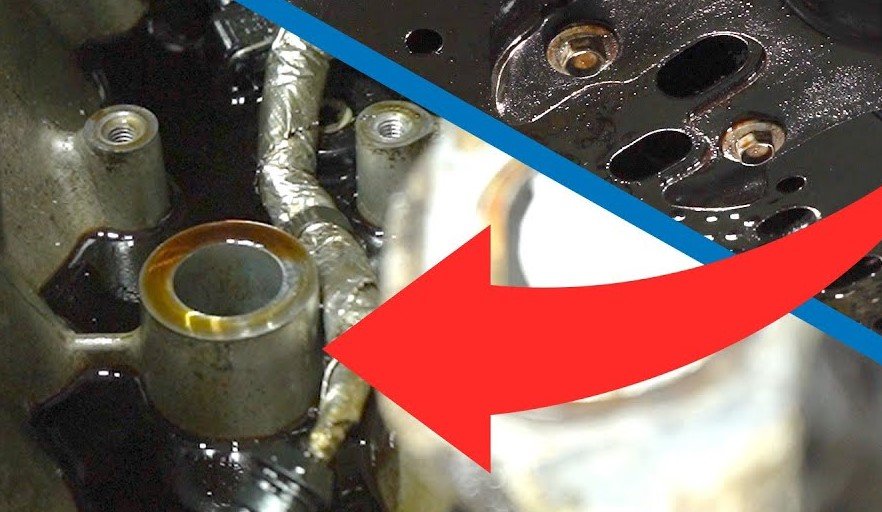
Follow these steps to stop leaks safely:
-
Turn off the engine and let it cool for 20–30 minutes.
-
Place a pan under the car to catch dripping oil.
-
Remove the old filter carefully.
-
Clean the mounting surface completely. Remove old gasket pieces and dirt.
-
Check the gasket on the new filter. Apply a thin layer of clean engine oil.
-
Screw the filter by hand until snug. Then turn ¾ more by hand. Avoid wrenches for tightening.
-
Start the engine for 5 minutes and inspect for leaks.
-
Check oil level and add if necessary.
Extra Tip: Check the filter after the first 50–100 miles. Some leaks appear only after a short drive.
Signs of an Oil Filter Leak
-
Oil spots under the car.
-
Decreasing oil level on the dipstick.
-
Burning oil smell near the engine.
-
Smoke coming from the engine area.
-
Engine warning light or check engine light on dashboard.
Preventing Oil Filter Leaks
-
Replace the oil filter at every oil change.
-
Clean the mounting surface before installing a new filter.
-
Apply fresh oil to the gasket before installation.
-
Avoid overtightening. Hand tight is enough.
-
Use the correct filter type and quality.
-
Check oil level and engine pressure regularly.
FAQs
Q: Can a leaking oil filter damage my engine?
A: Yes. Leaks reduce lubrication and increase engine wear. Continuous leaks may cause engine overheating or failure.
Q: How often should I replace the oil filter?
A: Replace it every oil change, usually every 3,000–5,000 miles for regular oil or 5,000–10,000 miles for synthetic oil.
Q: What happens if I overfill the oil?
A: Overfilled oil increases pressure and can leak from the filter, seals, or gaskets. It can also foam and reduce lubrication.
Q: Can I reuse an old gasket?
A: Never reuse an old gasket. Reusing can cause leaks immediately. Always replace with a new one.
Q: How do I know if my filter is the wrong type?
A: Check the engine manual or part number. Wrong filters may fit loosely, leak oil, or collapse under pressure.
Conclusion
Oil filter leaks are common but preventable. Loose filters, damaged gaskets, wrong filters, overfilled oil, or dirty surfaces are main causes.
Regular inspection, proper installation, and using the correct filter type stop most leaks. Small care and checks keep your engine safe, save money, and extend vehicle life.