
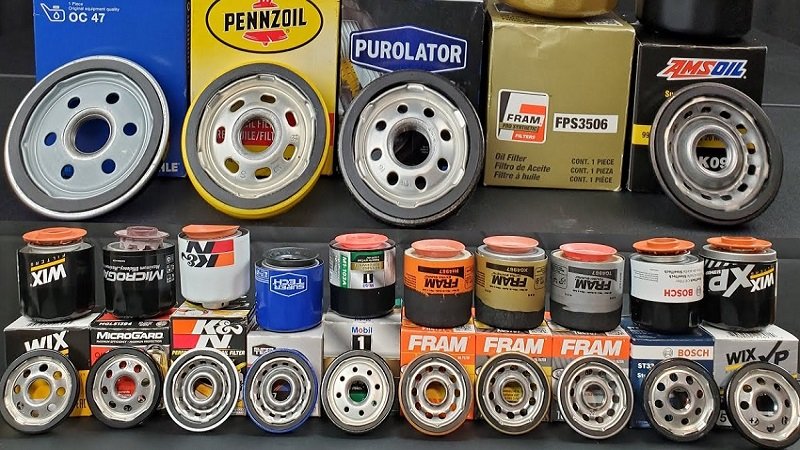
Your engine deserves reliable protection, and the right oil filter plays a major role in keeping it healthy. Dirt, debris, and metal particles constantly circulate in engine oil, and a strong filter traps these harmful elements before they cause damage.
Not all oil filters perform the same. Some offer exceptional filtration, while others struggle under high pressure or extreme temperatures. Engine longevity, smooth performance, and fuel efficiency depend heavily on the quality of your filter.
Car enthusiasts and daily drivers often debate which brand provides the best mix of durability, affordability, and performance. From advanced synthetic filters to trusted conventional options, choices vary widely, making it hard to decide.
Understanding the key features of top-performing filters helps ensure your engine runs efficiently for years. This guide dives into the best oil filters on the market and explains why certain brands consistently outperform the competition.
Who Makes the Best Oil Filter?
Engines work best with clean oil. Dirty oil can damage engine parts like pistons, bearings, and camshafts. Oil filters trap dirt, metal shavings, and other particles before they reach the engine.
A poor-quality oil filter can reduce engine life, cause poor performance, and increase repair costs. Many brands make oil filters, but not all filters are equal. Some filters capture more dirt, some last longer, and some work better for high-performance or heavy-duty engines.
Choosing the right oil filter can save money, protect the engine, and improve car performance. This article explains the top oil filter brands, their features, and how to pick the best one for your vehicle.
Top Oil Filter Brands
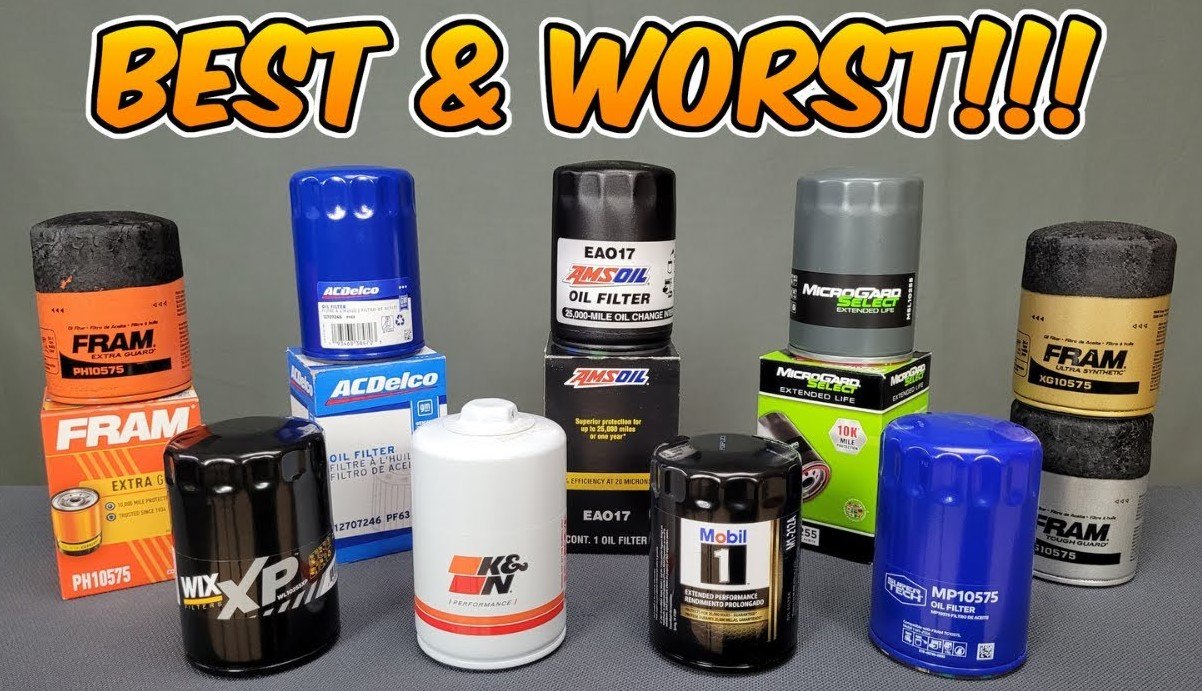
1. Fram
Fram has been in the oil filter industry for decades. Their filters are widely available in stores and online.
Types of Fram Filters:
-
Fram Extra Guard: Standard filter for everyday driving. Affordable and reliable.
-
Fram Tough Guard: Designed for trucks and vehicles that drive in tough conditions.
-
Fram High Mileage: Best for cars with over 75,000 miles. Helps reduce leaks and oil consumption.
Strengths:
-
Affordable and easy to find
-
Wide range of options for different vehicles
-
Reliable performance for regular driving
Limitations:
-
Not as strong as premium filters in extreme conditions
-
May need replacement sooner if driving long distances or in harsh environments
2. Mobil 1
Mobil 1 filters use synthetic media, which can trap very small dirt particles. They are ideal for long oil change intervals and high-performance vehicles.
Strengths:
-
High dirt-trapping efficiency
-
Long-lasting filters for synthetic oil
-
Resistant to heat and pressure, reducing risk of filter collapse
Best Use:
-
Cars that use synthetic oil
-
Vehicles with long oil change intervals (7,500–15,000 miles)
-
High-performance engines
Extra Tip: Mobil 1 filters often cost more, but they protect engines better for long-term use.
3. Bosch
Bosch focuses on durability and precision engineering. Their filters are often used for European and Asian cars.
Strengths:
-
Strong metal casing prevents leaks
-
Efficient filtration media traps fine particles
-
Works well under high heat and pressure
Best Use:
-
European cars like BMW, Audi, Mercedes
-
Vehicles in hot climates or heavy-duty use
Extra Tip: Bosch filters last longer than standard filters and provide excellent protection for daily and heavy-duty driving.
4. K&N
K&N is famous for reusable and performance filters. Their oil filters are popular among car enthusiasts.
Strengths:
-
Can be cleaned and reused multiple times
-
High dirt-holding capacity
-
Performance-oriented design for faster oil flow
Best Use:
-
Performance cars or modified engines
-
Drivers who want a long-term reusable filter
-
Cars with synthetic or high-quality oil
Limitations:
-
Higher initial cost
-
Requires cleaning and maintenance
5. Purolator
Purolator combines quality and affordability. They make filters for both everyday cars and heavy-duty vehicles.
Popular Models:
-
PurolatorONE: Standard filter for regular driving.
-
PurolatorBOSS: High-performance filter for trucks and SUVs.
Strengths:
-
Excellent dirt-trapping efficiency
-
Affordable and widely available
-
Durable design for high-pressure and high-temperature engines
Best Use:
-
Everyday cars and trucks
-
Vehicles in tough or dirty driving conditions
Key Features to Consider
Filtration Efficiency
A high-efficiency filter captures smaller particles and protects the engine better. Look for filters that remove more than 98% of particles.
Oil Flow Rate
Oil must flow freely through the filter. A filter with poor flow can starve the engine of oil. Some high-performance filters use synthetic media to maintain flow even when dirty.
Durability and Construction
Check the filter casing and gasket material. Strong metal casing resists pressure and heat. Quality gaskets prevent leaks.
Compatibility and Fit
Filters come in different sizes and thread patterns. Using the wrong filter can cause leaks or engine damage. Always check the vehicle’s manual or the manufacturer’s fit guide.
Special Features
-
Anti-drainback valve: Prevents oil from draining out when the engine is off.
-
Bypass valve: Allows oil to bypass the filter if it becomes clogged, preventing engine starvation.
-
High-mileage design: Extra seals and filtration for older engines.
Extra Tips for Oil Filter Maintenance
-
Replace the oil filter with every oil change, even if the old filter looks clean.
-
Avoid overtightening; hand-tight plus a small turn is enough.
-
Use the correct type of oil recommended for your vehicle.
-
Inspect for leaks after installing a new filter.
-
Keep records of filter changes to track engine maintenance.
FAQs
1. Can I use any oil filter for my car?
No. Filters vary in size, threads, and filtration efficiency. Using the wrong filter can cause leaks or engine damage. Always use a filter that matches your vehicle.
2. How often should I change the oil filter?
Change the filter with every oil change. Most cars need oil changes every 3,000–7,500 miles, depending on oil type and driving conditions.
3. Do expensive filters work better?
Premium filters like Mobil 1 or Bosch often last longer and trap more dirt. Proper maintenance matters more than price alone.
4. Can reusable filters save money?
Yes. K&N and similar filters can be cleaned and reused. This reduces cost over time but requires proper cleaning.
5. Are high-mileage filters necessary for old cars?
Yes. High-mileage filters capture more dirt and reduce leaks. They help older engines run longer and cleaner.
6. Can oil filters improve fuel efficiency?
Indirectly, yes. Clean oil reduces engine friction, which can slightly improve fuel efficiency.
7. What happens if I forget to replace the oil filter?
The filter may clog, reducing oil flow. Dirty oil can damage the engine, causing wear or even engine failure.
Conclusion
Oil filters play a critical role in engine health. Top brands like Fram, Mobil 1, Bosch, K&N, and Purolator provide reliable options for different needs. Consider filtration efficiency, oil flow, durability, and compatibility when choosing a filter.
Regularly replacing your oil filter ensures the engine stays clean, efficient, and long-lasting. Matching the right filter to your vehicle and oil type protects your engine and saves money in the long run.