
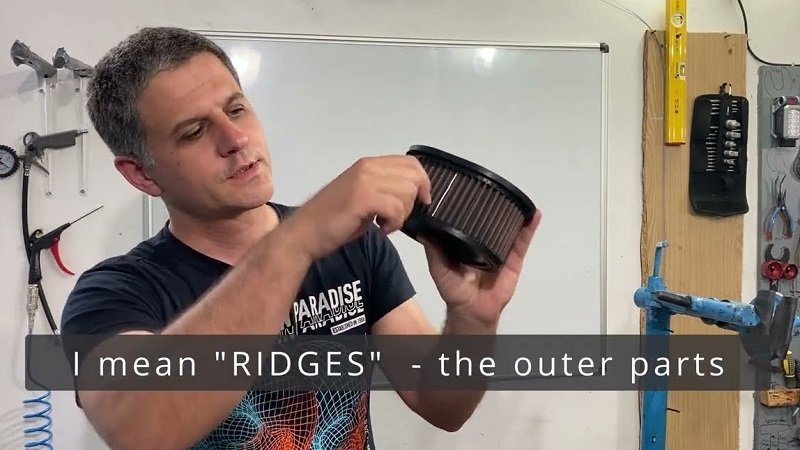
Many car owners damage their air filters because they apply oil on the wrong side. That small mistake can reduce airflow and hurt engine performance. K&N air filters use a special cotton gauze design that needs oil to trap dirt and dust.
Oil must go on the correct side to keep the filter working at its best. Clean air enters through one side and exits through the other, so the oil plays a key role in stopping debris before it reaches your engine.
A simple rule helps you remember the correct side and prevents costly errors. Proper oil placement also protects fuel efficiency and throttle response. Drivers who maintain their filters the right way often notice smoother acceleration and longer engine life.
This guide explains exactly which side of a K&N filter to oil and why that step matters for your vehicle’s performance and reliability.
Which Side of K&N Filter to Oil?
Many car owners feel confused about one small detail. Which side of K&N filter to oil? This step looks simple. Yet it affects engine life, airflow, and fuel use.
K&N air filters use layered cotton gauze. Cotton alone cannot trap very fine dust. Oil helps the fibers grab dirt. No oil means poor filtration. Too much oil can cause sensor problems. Clear steps matter. Small details matter more.
Which Side of K&N Filter to Oil?
Oil the dirty side only.
The dirty side faces outside air. Air enters the filter from this side first. Dust and sand hit this surface before air moves deeper.
The clean side faces the engine. This side must stay mostly dry and clean.
Air always moves in one direction:
Outside air → Dirty side → Through cotton → Clean side → Engine
Oil belongs where air enters first.
How a K&N Filter Works?
K&N filters use multiple layers of cotton gauze. Thin aluminum mesh holds the cotton in shape. The cotton layers create small paths for air.
Here is what happens inside:
-
Air moves into the dirty side.
-
Oil on cotton fibers grabs dust.
-
Larger dirt stays near the surface.
-
Smaller dust sticks deeper inside the layers.
-
Clean air exits from the clean side.
Oil creates a sticky surface. Dirt sticks to oil. Dry cotton alone cannot trap very fine particles.
The design balances two things:
-
Strong airflow
-
Good filtration
Too little oil reduces filtration. Too much oil reduces airflow. Balance matters.
Why You Must Oil Only the Dirty Side?
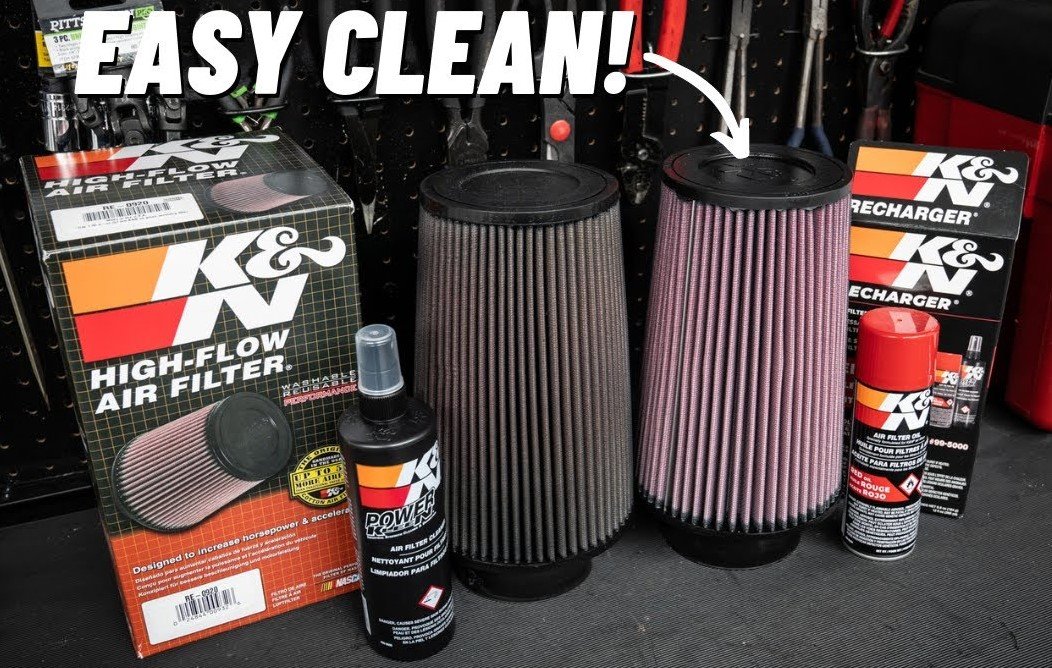
Oil spreads through the cotton layers by capillary action. The fibers pull oil across the material. You do not need to oil both sides.
Oil on the clean side creates risk:
-
Oil mist may travel into the intake tube.
-
Mass Air Flow (MAF) sensor may get dirty.
-
Engine computer may read wrong air values.
-
Fuel mixture may change.
-
Engine may idle rough.
Modern engines depend on sensor accuracy. A small oil mistake can cause warning lights. Keep oil where it works best. On the dirty side.
Airflow and Filtration Data Explained Simply
Engines need large amounts of air. A small 2.0-liter engine at 3,000 RPM can pull in hundreds of liters of air every minute. Air must flow easily. Restriction reduces power.
K&N filters allow higher airflow than many paper filters because:
-
Cotton fibers sit farther apart.
-
Oil traps dirt instead of tight paper layers.
-
Air passes through deeper layers.
Paper filters trap dirt mainly on the surface. Cotton filters trap dirt through depth.
Depth filtration gives two benefits:
-
Better airflow for longer time
-
Longer service interval
Still, over-oiling reduces these benefits. Thick oil blocks the tiny air paths.
Step-by-Step Detailed Oiling Process
Step 1: Inspect the Filter
Remove the filter from the air box. Check both sides.
The dirty side shows:
-
Darker color
-
Visible dust
-
Bugs or debris
The clean side should look lighter.
Do not oil before cleaning.
Step 2: Clean the Filter Properly
Spray cleaning solution on the dirty side. Cover all pleats. Wait about 10 minutes. This breaks down old oil and dirt.
Rinse with low-pressure water. Spray from clean side to dirty side. This pushes dirt out, not deeper in.
Repeat if needed. Shake off extra water. Let the filter air dry fully. Drying may take several hours.
Never use:
-
Compressed air
-
Hair dryer
-
Direct heat
Heat can shrink or damage cotton.
Step 3: Apply Oil to the Dirty Side
Use oil made for cotton air filters. Hold the bottle above the pleat peaks. Apply a thin line along each pleat.
Move slowly and evenly. Watch the color change. The cotton should turn light red or pink. That shows correct coverage.
Stop when the surface looks evenly colored.
Step 4: Allow Oil to Soak
Wait 20 minutes. Oil will spread across the cotton layers. Dry spots may appear lighter.
Add a few drops only where needed. Do not pour. The filter should not drip. No wet puddles.
How Much Oil Is Too Much?
Many users add extra oil “just to be safe.” That causes trouble.
Too much oil can:
-
Reduce airflow
-
Lower throttle response
-
Cause rich fuel mixture
-
Dirty MAF sensor
-
Trigger check engine light
The filter should feel slightly damp. It should not feel sticky or dripping.
Rule to remember:
Light color and even coverage. Not dark and wet.
Effects of Over-Oiling on MAF Sensor
The MAF sensor measures incoming air. It uses a heated wire or film. Oil mist can coat this surface. A coated sensor reads less airflow than actual.
Engine computer reacts by adding more fuel. That can cause:
-
Poor fuel mileage
-
Rough idle
-
Hesitation during acceleration
-
Warning codes
Cleaning the sensor may fix the issue. Preventing the problem works better.
Service Interval and Driving Conditions
Normal driving: clean every 10,000 to 15,000 miles.
Dusty roads: clean earlier.
Off-road use: inspect often.
Heavy dirt blocks airflow. You may feel slower acceleration.
Check the filter visually. Thick dirt means cleaning time.
Light surface dirt is normal. Do not clean too often. Frequent washing reduces oil layer stability.
Common Mistakes Drivers Make
Oiling Before Full Drying
Water and oil do not mix well. Wet cotton spreads oil unevenly.
Oiling Both Sides
Extra oil does not improve filtration.
Using Engine Oil
Engine oil does not stick properly to cotton fibers.
Rushing Installation
Oil needs time to distribute.
Patience prevents problems.
Signs of Correct Oiling
You did it right if:
-
Color looks even
-
No dripping oil
-
Clean side feels dry
-
Engine runs smooth
-
No warning lights
Simple check. Clear result.
FAQs
Which side of K&N filter to oil?
Oil the dirty side only. That side faces incoming air.
Does oil move to the clean side?
Yes. Oil spreads through cotton layers. No need to oil both sides.
Can too little oil cause damage?
Yes. Dry cotton cannot trap fine dust well. Engine may receive more dirt.
Why must the clean side stay mostly dry?
Oil on the clean side may reach intake sensors and cause errors.
How long should I wait after oiling?
Wait about 20 minutes. Make sure oil spreads evenly and no drops form.
Conclusion
Correct oiling keeps your K&N filter working as designed. Oil the dirty side. Use a light, even coat. Let it soak. Avoid excess. Proper care protects airflow, fuel economy, and engine health.