
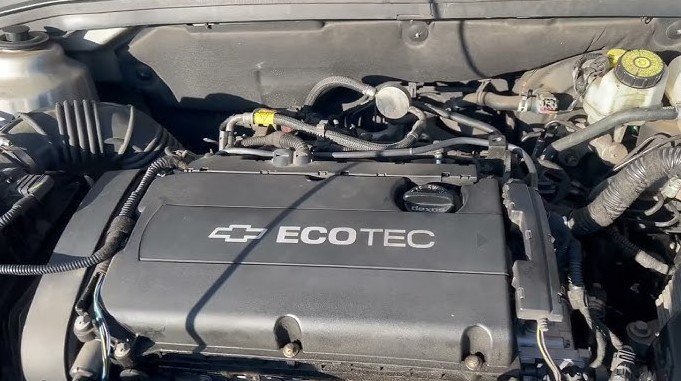
Drivers often ask where the oil filter on a 2014 Chevy Cruze sits before they start an oil change. This compact sedan uses a cartridge-style oil filter, and Chevy placed it in a spot that makes routine service simple. You will find the oil filter housing on top of the engine, near the front side, under the hood.
A black plastic cap covers the filter and keeps it sealed inside the housing. A socket wrench removes the cap, so you can replace the filter without crawling under the car. This design saves time and keeps your hands cleaner during maintenance.
Many owners miss it at first because they expect a metal spin-on filter under the engine. The Cruze setup feels different, but it works well once you know the exact location. Clear steps and the right tools help you finish the job with confidence.
Where Is the Oil Filter on a 2014 Chevy Cruze?
Many drivers still ask one clear question: Where is the oil filter on a 2014 Chevy Cruze? The answer depends on the engine type. Chevy built this car with two different engines. Each engine places the oil filter in a slightly different spot.
Good oil flow keeps metal parts safe. Dirty oil causes friction. Friction creates heat. Heat damages engine parts. A clean oil filter stops dirt from moving through the engine. That small part plays a big role.
This guide explains everything in simple words. Exact location. Engine details. Oil capacity. Torque specs. Common problems. Clear facts.
Engine Options in the 2014 Chevy Cruze
The 2014 Cruze comes with two 4-cylinder engines:
-
1.4L Turbocharged Engine (LUJ/LUV)
-
1.8L Naturally Aspirated Engine (2H0)
Both engines use a cartridge-style oil filter. That means the filter sits inside a housing. You do not spin off a metal canister like older cars.
Top-mounted design. Easy to reach. Less mess.
Oil Filter Location on the 1.4L Turbo Engine
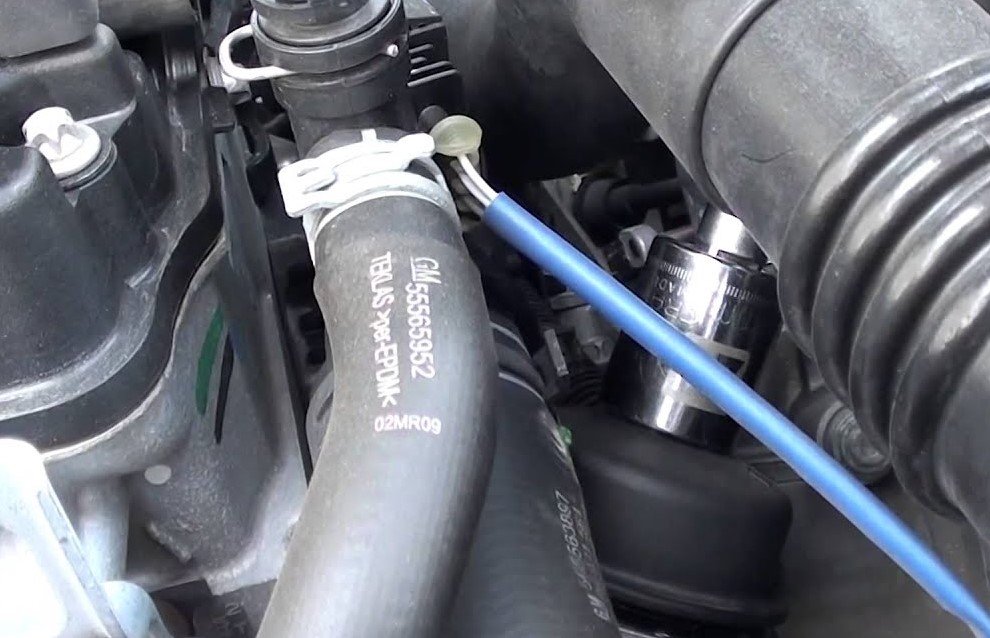
The 1.4L turbo engine appears in most 2014 Cruze models, especially LS, LT, and Eco trims.
Exact Location
Open the hood. Stand in front of the car. Look slightly to the passenger side of the engine bay. You will see a black plastic cap pointing upward.
That cap sits:
-
Near the front of the engine
-
Slightly to the right side
-
Close to the intake manifold area
The oil filter housing stands vertical. You can see it without removing engine covers in most models.
Housing Design Details
-
Black composite plastic cap
-
24mm hex head
-
Sealed with a rubber O-ring
-
Holds replaceable paper filter cartridge
The housing bolts directly to the engine block. Oil flows through the filter before it reaches moving engine parts.
Oil Capacity for 1.4L Turbo
-
Around 4.0 quarts (3.8 liters) with filter change
Correct oil level matters. Too much oil increases pressure. Too little oil causes wear.
Oil Filter Location on the 1.8L Engine
The 1.8L engine appears mostly in base LS trims.
Exact Location
Open the hood. Stand in front of the vehicle. Look at the center front section of the engine.
You will see:
-
A similar black plastic cap
-
Positioned more toward the middle
-
Mounted slightly lower than the 1.4L turbo housing
Still easy to reach from above. No need to remove the wheel or splash shield.
Housing Details
-
Cartridge-style insert
-
Plastic cap with 24mm hex top
-
Replaceable rubber O-ring
Oil flows upward through the filter and returns to the engine block clean.
Oil Capacity for 1.8L Engine
-
Around 4.5 quarts (4.2 liters) with filter change
The 1.8L holds slightly more oil than the turbo engine.
Why Chevy Used a Cartridge Oil Filter?
Chevy chose a cartridge system for several reasons:
-
Less metal waste
-
Lower replacement cost
-
Easy inspection of used filter
-
Lighter design
You replace only the paper element. The plastic housing stays on the engine. Cleaner process. Less trash.
How Oil Flows Through the Filter?
Oil starts in the oil pan. The oil pump pushes oil through the filter housing. The filter traps:
-
Dirt
-
Metal particles
-
Sludge
-
Carbon deposits
Clean oil then travels to:
-
Crankshaft bearings
-
Camshaft
-
Turbocharger (on 1.4L)
-
Valve train
The turbo engine depends heavily on clean oil. The turbo spins at very high speed. Dirty oil can damage it fast.
Oil Filter Torque Specification
Tightening matters. Too tight can crack the plastic cap. Too loose can cause leaks.
Correct torque for the oil filter cap:
-
18 lb-ft (25 Nm)
Use a torque wrench if possible. Hand-tight plus a small turn works for many people, but correct torque gives better safety.
Oil Type Recommendation
Chevy recommends:
-
SAE 5W-30 full synthetic oil
Oil must meet GM Dexos standards. Synthetic oil handles heat better, especially in the turbo engine.
Thin oil flows faster during cold start. Cold starts cause most engine wear.
Common Oil Filter Problems in 2014 Cruze
Some owners report small issues.
1. Oil Leaks Around the Cap
Main causes:
-
Old O-ring not replaced
-
O-ring installed wrong
-
Cap over-tightened
Small leak can drip onto engine parts. Burning oil smell may follow.
2. Cracked Plastic Cap
Plastic becomes weak after many years. Over-tightening increases risk.
Replacement caps remain affordable and easy to install.
3. Sludge Build-Up
Late oil changes cause sludge. Sludge blocks oil flow. Turbo engines suffer more from dirty oil.
Oil change every 5,000 miles works well for city driving.
Step-by-Step Oil Filter Replacement
Step 1: Warm Engine Slightly
Run the engine for 2–3 minutes. Warm oil drains faster. Do not work on a hot engine.
Step 2: Turn Engine Off
Remove the key. Open the hood.
Step 3: Place Drain Pan Under Car
Drain engine oil from the oil pan plug underneath the car. Remove drain bolt carefully.
Let oil drain fully. This takes about 5–10 minutes.
Step 4: Remove Oil Filter Cap
Use a 24mm socket. Turn counterclockwise. Lift slowly.
Oil may drip from the housing. Keep a rag nearby.
Step 5: Remove Old Filter
Pull old cartridge out. Remove old rubber O-ring from cap groove.
Step 6: Install New Filter
Push new cartridge into cap until it clicks in place.
Install new O-ring. Lightly coat O-ring with fresh oil. This helps sealing.
Step 7: Reinstall Cap
Insert cap into housing. Turn clockwise. Tighten to 18 lb-ft.
Step 8: Refill Oil
Add correct oil amount through oil fill cap on top of engine.
Step 9: Check Oil Level
Use dipstick. Oil should sit between min and max marks.
Start engine for 30 seconds. Check for leaks.
Done.
Signs Your Oil Filter Needs Replacement
Watch for these signs:
-
Engine oil light turns on
-
Loud engine noise
-
Rough idle
-
Dark thick oil
-
Burning oil smell
Oil filter change always goes with oil change. Never reuse an old filter.
Why Regular Oil Changes Matter for the 2014 Cruze?
The 1.4L turbo engine produces extra heat. Turbo adds stress to oil. Oil breaks down faster under heat.
Clean oil protects:
-
Turbo bearings
-
Timing chain
-
Pistons
-
Camshaft
Oil change interval for normal driving:
-
Every 5,000–7,500 miles
Heavy traffic and short trips require more frequent changes.
Estimated Cost of Oil Filter Replacement
Do-it-yourself cost:
-
Oil filter: low price
-
5 quarts synthetic oil: moderate price
-
Total cost: much lower than dealership service
Repair shop cost often includes labor. Doing it yourself saves money.
FAQs
Does the 2014 Chevy Cruze have a spin-on oil filter?
No. Both engine types use a cartridge-style filter inside a plastic housing.
Can I change the oil filter without draining the oil?
Oil will spill if you remove the filter without draining. Drain oil first for a cleaner job.
Is the oil filter easy to reach?
Yes. The filter sits on top of the engine. You can access it from above.
How long does an oil filter last?
Oil filter lasts one oil change interval. Replace it every time you change oil.
What happens if I install the filter wrong?
Wrong installation can cause leaks, low oil pressure, or engine damage.
Conclusion
The oil filter on a 2014 Chevy Cruze sits under the hood on top of the engine. Both the 1.4L turbo and 1.8L engines use a cartridge filter inside a black plastic housing. The location allows quick and easy access from above.
Clean oil keeps the engine safe. Regular filter replacement protects moving parts. Simple maintenance today prevents expensive repairs later.