
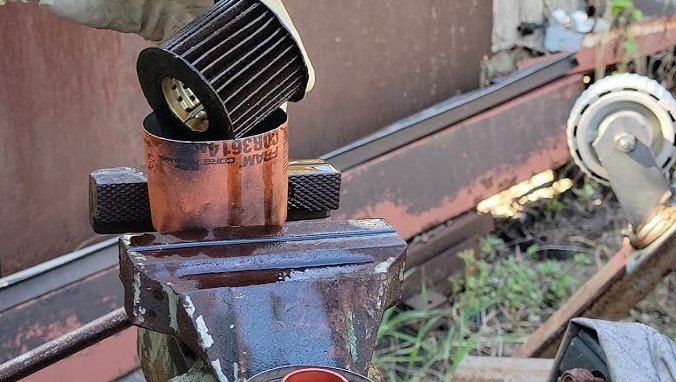
Drivers often ask what vehicle does a FRAM PH3614 oil filter fit before they head to the store or order online. The FRAM PH3614 stands as one of the most popular spin-on oil filters in North America. Many car owners trust it for its solid build quality and wide compatibility range.
This small but powerful filter fits a long list of vehicles from brands like Honda, Toyota, Nissan, Mazda, and Subaru. Several compact cars, sedans, and small SUVs use engines that match the PH3614’s thread size and gasket design.
Proper fit protects your engine from dirt, metal particles, and sludge that can reduce performance over time. Wrong fit can cause leaks or poor oil flow, which may damage engine parts.
This guide explains the types of vehicles and engine sizes that commonly use the FRAM PH3614, so you can confirm compatibility with confidence and keep your engine running strong.
What Vehicle Does a Fram PH3614 Oil Filter Fit?
Car owners often ask a simple but important question. What vehicle does a Fram PH3614 oil filter fit? The answer depends on engine size, model year, and brand. Fram PH3614 fits many small gasoline engines, mostly 4-cylinder types from the late 1980s to early 2000s.
This filter became common because many car makers used the same thread size and gasket diameter for small engines. That design allowed one oil filter to fit many vehicles.
This guide explains fitment in more detail. Engine sizes. Model years. Technical data. Clear facts.
Fram PH3614 Technical Specifications
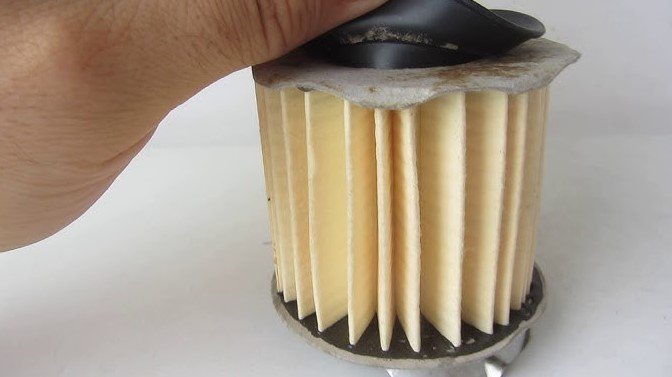
Understanding the size and design helps you confirm fit.
Key technical details:
-
Filter type: Spin-on
-
Thread size: 3/4″-16
-
Gasket outer diameter: about 2.47 to 2.50 inches
-
Gasket inner diameter: about 2.17 inches
-
Height: about 3.4 inches
-
Anti-drainback valve: Yes
-
Bypass valve setting: Around 8–12 PSI
Thread size matters most. Many Japanese 4-cylinder engines use the 3/4″-16 thread. Gasket diameter must also match the engine mounting base.
Short filter height makes PH3614 ideal for tight engine bays.
Engine Sizes That Commonly Use PH3614
Fram PH3614 usually fits:
-
1.5L engines
-
1.6L engines
-
1.7L engines
-
1.8L engines
-
2.0L engines
-
Some 2.2L engines
Most of these engines are inline 4-cylinder gasoline engines.
It rarely fits:
-
Large V6 engines above 3.0L
-
V8 engines
-
Diesel engines
-
New turbocharged direct-injection engines
Engine design controls oil flow rate and pressure. Small engines need smaller filters. Large engines need bigger filters with higher capacity.
Honda Fitment Details
Honda used similar oil filter threads across many models for years.
Common compatible models include:
-
Honda Civic (late 1980s to early 2000s 1.5L, 1.6L, 1.7L)
-
Honda Accord 4-cylinder (early 1990s models)
-
Honda CR-V 2.0L (early generation)
-
Honda Prelude 4-cylinder
Honda engines like D-series and some early B-series engines often use this filter size.
Newer Honda models after mid-2000s often use a smaller filter like the PH7317 instead.
Always confirm model year. Honda changed designs over time.
Toyota Fitment Details
Toyota small engines from the 1990s often match PH3614.
Common models:
-
Toyota Corolla 1.6L and 1.8L (1990s)
-
Toyota Celica 4-cylinder
-
Toyota Tercel
-
Toyota MR2 4-cylinder
-
Toyota Paseo
Toyota engines such as 4A-FE and 7A-FE often use this filter size.
Modern Toyota engines use different filter designs, including cartridge types.
Nissan Fitment Details
Nissan small engines from the 1990s often use similar thread patterns.
Compatible models may include:
-
Nissan Sentra 1.6L and 1.8L (older models)
-
Nissan 200SX
-
Nissan NX1600
-
Nissan Stanza 4-cylinder
Engines like GA16DE frequently use this oil filter size.
Newer Nissan engines use updated filters with different bypass pressure ratings.
Mazda and Ford Shared Platforms
Mazda and Ford shared many engine platforms in the 1990s. That explains cross-fitment.
Mazda models:
-
Mazda Protege 1.6L and 1.8L
-
Mazda 323
-
Mazda MX-3 4-cylinder
-
Mazda B2200 small truck
Ford models:
-
Ford Escort 4-cylinder
-
Ford Festiva
-
Ford Probe 4-cylinder
Ford used Mazda-based engines in some small cars. That design often required the same oil filter size.
Oil Flow and Capacity Details
Fram PH3614 holds less oil than larger filters. Smaller internal volume suits small engines.
Typical oil capacity for engines using PH3614:
-
3.5 to 4.5 quarts total oil capacity
Bypass valve pressure between 8 and 12 PSI protects the engine during cold starts. Cold oil flows slowly. Pressure rises fast. The bypass valve allows oil to move through the engine even if the filter media resists flow.
Anti-drainback valve prevents oil from draining back into the oil pan. This feature reduces dry starts.
Dry starts cause engine wear. Good valve design helps protect moving parts.
Why Many Older Cars Use PH3614?
Car makers in the 1980s and 1990s aimed for simple engine design. They used:
-
Standard thread patterns
-
Similar oil pressure systems
-
Compact engine bays
Standardization reduced manufacturing cost. It also made service easier.
That is why one filter fits many brands from that era.
Modern engines use tighter emission systems and higher oil pressure. Filter design changed to meet those needs.
Cross Reference Data
Fram PH3614 crosses to many common filter numbers.
Examples:
-
Purolator L14459
-
Wix 51348
-
Bosch 3323
-
Motorcraft FL-910S
-
AC Delco PF53 (some applications)
Cross reference does not guarantee exact fit for every vehicle. Engine year still matters.
Situations Where PH3614 Does Not Fit
PH3614 does not fit:
-
Cartridge filter systems
-
Engines with metric thread sizes
-
High-performance turbo engines
-
Large displacement engines
Many 2005+ vehicles switched to cartridge-style filters inside a housing. Spin-on filters like PH3614 will not work in those systems.
How to Confirm Exact Fit?
Use these steps:
-
Check owner’s manual oil filter number.
-
Check engine size and production year.
-
Match thread size 3/4″-16.
-
Compare gasket diameter with old filter.
-
Verify bypass pressure range if possible.
Do not rely only on brand name.
Two cars with the same model may use different engines.
Real-World Example
A 1998 Honda Civic 1.6L usually uses PH3614.
A 2018 Honda Civic 2.0L uses a different filter.
A 1995 Toyota Corolla 1.8L often uses PH3614.
A 2020 Toyota Corolla uses a cartridge filter.
Model year changes everything.
Oil Change Interval Guidance
Engines that use PH3614 typically follow:
-
3,000 to 5,000 miles for conventional oil
-
5,000 to 7,500 miles for synthetic blend
Driving habits affect oil life.
Short trips increase contamination. Heavy traffic increases heat. Frequent cold starts increase wear. Shorter intervals protect older engines better.
FAQs
What vehicle does a Fram PH3614 oil filter fit most often?
It fits many small 4-cylinder gasoline engines from Honda, Toyota, Nissan, Mazda, and some Ford models made mostly between 1988 and 2005.
Does it fit modern 2020+ vehicles?
Most modern vehicles use cartridge filters or different spin-on sizes. PH3614 rarely fits new models.
Can I install a longer filter instead?
Some engines allow a slightly longer filter with the same thread and gasket size. Clearance space must be checked first.
Does this filter work for high mileage engines?
Yes. It works for normal driving. High mileage engines may benefit from shorter oil change intervals.
Why do many brands share this filter size?
Many older engines used the same thread and gasket design. Standardization made service easier and cheaper.
Conclusion
Fram PH3614 oil filter fits many small 4-cylinder gasoline engines from the late 1980s to early 2000s. Honda, Toyota, Nissan, Mazda, and some Ford models often use it. Thread size 3/4″-16 and small gasket diameter define its compatibility.
Engine size and model year always decide the final answer. Careful confirmation prevents leaks and engine damage. A correct oil filter keeps oil clean, pressure stable, and engine parts protected for thousands of miles.