
Changing an oil filter sounds simple, but using the wrong wrench can turn a quick task into a frustrating struggle. Cars have different filter sizes, and using a wrench that doesn’t fit can damage the filter or make removal almost impossible.
Knowing the correct oil filter wrench size saves time, protects your engine, and keeps maintenance smooth. Some filters need a standard cap wrench, while others require a band or claw-style wrench.
Factors like the car model, engine type, and filter brand affect the size you need. Mechanics often keep multiple sizes on hand, but car owners can select the right one with a little research.
This guide helps you identify the proper wrench size for your vehicle, explains how to measure your filter, and offers tips for a secure grip. Avoid stripped filters and wasted effort by choosing the right wrench from the start.
What Size Oil Filter Wrench Do I Need?
Changing your car’s oil filter is an important step in maintaining engine health. The oil filter removes dirt, metal particles, and sludge from engine oil. A clogged or old filter can damage your engine.
An oil filter wrench helps you remove and install the filter safely. Using the wrong wrench size makes the task harder and can break the filter. Understanding which size fits your vehicle ensures a smooth oil change.
This guide explains everything about choosing the right oil filter wrench, the types of wrenches, common sizes, and tips for using them safely.
How to Determine the Correct Oil Filter Wrench Size?
Check Your Vehicle’s Manual
Your vehicle’s owner manual is the most reliable source. It often lists the oil filter brand, model number, and size. Some manuals even suggest the exact wrench type for your filter. Follow these recommendations for accuracy.
Measure the Oil Filter
If the manual does not provide details, measure your oil filter. Use a ruler or caliper to find the diameter across the widest part. Common car oil filters measure 2.5 inches (65 mm) to 4 inches (100 mm). Writing down the measurement helps you select the right wrench.
Consider Wrench Fit
Oil filters come in different shapes. Some are long and narrow, while others are short and wide. Make sure the wrench matches the shape. A wrench that is slightly smaller or larger than the filter will slip or fail to grip.
Types of Oil Filter Wrenches
Different types of wrenches suit different filters and working conditions. Choosing the right type makes the job easier.
1. Cup Wrench
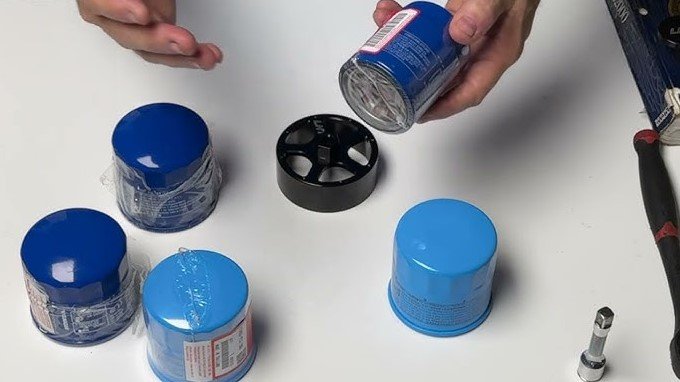
Cup wrenches fit over the end of the oil filter. They have grooves that match the filter’s shape. They are rigid and provide strong grip, making them perfect for filters in tight spaces.
Pros: Fits standard filters, prevents slipping.
Cons: Works only for a specific size.
2. Strap Wrench
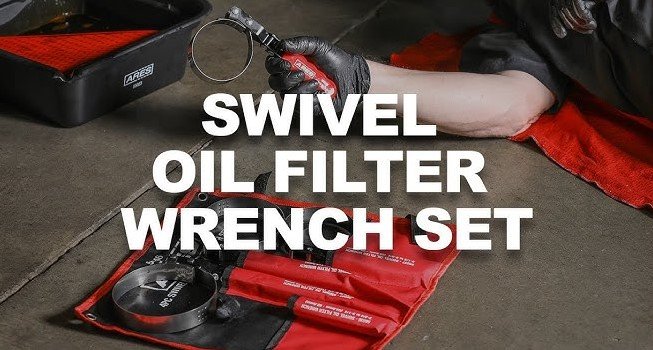
Strap wrenches use a metal or rubber strap that wraps around the filter. Turning the handle tightens the strap, gripping the filter. These are flexible and can fit many sizes.
Pros: Adjustable, gentle on filter surfaces.
Cons: Less effective in very tight spaces.
3. Pliers Wrench (Adjustable)
These pliers have jaws that open and close around the filter. They work well for larger filters or filters stuck with old oil.
Pros: Versatile, strong grip.
Cons: Can crush small filters, less precise.
4. Claw Wrench
Claw wrenches have arms that grip the filter from the sides. They expand to match the diameter. They are good for standard-size filters.
Pros: Good for regular filters, easy to use.
Cons: Less flexible for odd shapes.
Common Oil Filter Wrench Sizes
Oil filter wrenches match filter diameters. Knowing common sizes helps avoid trial and error.
| Filter Diameter | Wrench Type |
|---|---|
| 65 mm (2.56″) | Cup, Strap |
| 67 mm (2.64″) | Cup, Strap |
| 76 mm (3″) | Cup, Claw, Strap |
| 86 mm (3.38″) | Cup, Claw |
| 100 mm (3.94″) | Pliers, Adjustable |
Adjustable wrenches can fit multiple sizes. They save money if you work on different vehicles.
Step-by-Step Guide to Using an Oil Filter Wrench
Step 1: Prepare Your Workspace
Place the car on a flat surface. Use jack stands if needed. Keep a container for old oil and rags for cleanup.
Step 2: Position the Wrench
Match the wrench size to your filter. Place it snugly over the filter or around it. Ensure it fits correctly.
Step 3: Turn the Filter
Turn the wrench counterclockwise to remove the filter. Apply steady, even pressure. Do not jerk or twist too fast.
Step 4: Remove and Check
Remove the filter carefully. Inspect the rubber seal. Make sure it is not stuck to the engine. Replace the seal if needed.
Step 5: Install the New Filter
Lubricate the new filter’s rubber seal with fresh oil. Screw it on by hand. Tighten clockwise. Use the wrench for a quarter turn after hand-tightening. Avoid over-tightening.
Signs You Need a Different Wrench Size
-
Wrench slips off the filter.
-
Filter gets crushed or dented.
-
Filter stays stuck after several attempts.
-
Wrench arms do not reach or adjust properly.
Using the correct size solves these problems and prevents damage.
Extra Tips
-
Keep rags or gloves to improve grip. Oil makes the filter slippery.
-
A magnetic tray helps keep bolts and small tools organized.
-
Clean the filter area before installing a new filter. Dirt or old oil can prevent a proper seal.
-
Store a few common sizes at home. Small cars need 65–76 mm, while trucks may need 86–100 mm.
FAQs
1. Can one wrench fit all filters?
Some adjustable wrenches work for many sizes, but a specific-size cup wrench is more secure for standard filters.
2. How tight should I install a new oil filter?
Hand-tight plus a quarter turn is enough. Over-tightening can damage the seal.
3. Can I remove the oil filter without a wrench?
Yes, but it is difficult. Oil makes it slippery, and it may break the filter.
4. Do different car models need different wrench sizes?
Yes. Small cars often have smaller filters. Trucks and SUVs usually need larger wrenches.
5. Are strap wrenches better than cup wrenches?
Strap wrenches are flexible and gentle. Cup wrenches are strong and secure for standard sizes.
Conclusion
Choosing the correct oil filter wrench makes oil changes faster, safer, and cleaner. Measure your filter, check your manual, and select the right wrench type.
Keep a few common sizes or an adjustable wrench at home for convenience. A simple, correctly sized tool saves time, prevents damage, and protects your engine.