
An oil filter plays a critical role in keeping your engine healthy and performing at its best. Every engine relies on oil to lubricate moving parts, reduce friction, and prevent overheating. Without a proper filter, dirt, metal shavings, and other debris can circulate through the engine, causing wear and tear.
Oil filters capture these impurities before they damage vital components. Engines with clean oil flow smoothly, maintain fuel efficiency, and last longer. Different vehicles use different types of oil filters, from spin-on to cartridge styles, each designed to handle specific engine needs.
Checking the oil filter during routine maintenance ensures your engine stays protected. Mechanics recommend replacing oil filters regularly to maintain peak performance and prevent costly repairs.
Understanding how an oil filter works gives drivers a clear picture of engine health and emphasizes the importance of simple maintenance tasks that save time and money.
What Is the Oil Filter?
Engines need oil to work. Oil moves inside the engine to reduce friction. Friction can make the engine parts hot and wear out fast. Oil carries tiny dirt, metal pieces, and dust away from engine parts.
These particles can damage the engine if they stay in oil. An oil filter cleans the oil. It catches dirt, dust, and metal pieces before the oil goes back to the engine. Cars, motorcycles, trucks, and machines use oil filters.
A clean oil filter helps the engine run longer and stay stronger. Understanding how an oil filter works helps in taking care of vehicles.
Why Oil Filters Are Important?
Engines have many moving parts. Pistons, valves, and crankshafts move fast. Dirty oil can scratch or damage these parts. Oil filters:
-
Protect engine parts from wear.
-
Stop sludge and thick deposits from forming.
-
Keep oil clean longer.
-
Help the engine run smoothly and quietly.
Without an oil filter, engines get dirty oil, which can cause overheating and engine failure.
Why Your Engine Needs It?
Engines work with many moving parts. Pistons, valves, and bearings move very fast. Oil keeps these parts from rubbing together too much. Dirt, metal bits, and dust in oil can scratch or damage these parts. That makes the engine wear out faster.
The oil filter removes these tiny particles before oil reaches the engine. Clean oil:
-
Protects engine parts from wear and tear.
-
Reduces heat by keeping oil flowing smoothly.
-
Prevents sludge and thick deposits that slow the engine.
-
Keeps engine running quietly and efficiently.
Without an oil filter, dirt stays in oil and causes serious problems:
-
Overheating
-
Engine parts wearing too fast
-
Reduced fuel efficiency
-
Engine failure
Engines need clean oil to last longer. The oil filter makes sure oil stays clean and the engine stays healthy.
How Oil Filters Work?
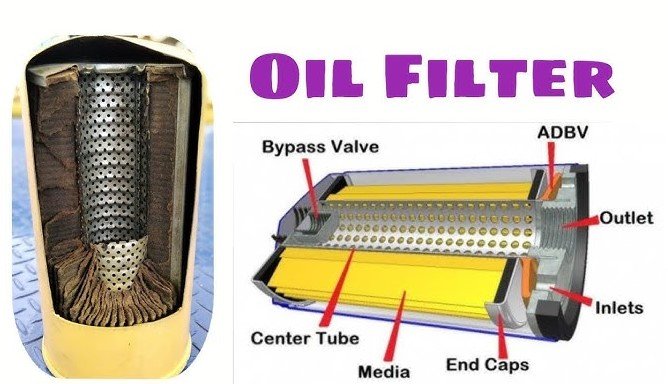
Oil filters have simple but smart design. They use a special paper, mesh, or foam to catch dirt. The process works like this:
-
Oil Flows Into the Filter
Engine oil is pumped to the filter under pressure. -
Filter Traps Dirt
Inside, the filter has layers that catch dirt, dust, and tiny metal pieces. -
Clean Oil Returns to Engine
After filtering, clean oil flows back to engine parts to lubricate them.
Some filters have a bypass valve. If the filter clogs, the valve lets oil flow without filtering to protect the engine from oil starvation.
Types of Oil Filters
Different vehicles use different filters. Knowing types helps choose the right one.
1. Spin-On Filters
-
Most common in cars.
-
Simple, one-piece design.
-
Screw on and off easily for replacement.
2. Cartridge Filters
-
Replace only the inner element, not the whole unit.
-
Common in modern vehicles.
-
Can reduce waste.
3. Magnetic Filters
-
Use magnets to catch metal particles.
-
Mostly for trucks or industrial machines.
-
Works with normal filtering to extend engine life.
4. High-Performance Filters
-
For sports cars or heavy-duty vehicles.
-
Can trap smaller dirt particles.
-
Usually more durable.
How to Know an Oil Filter Is Bad?
Oil filters need replacement regularly. Signs a filter is old or clogged:
-
Engine oil turns black very fast.
-
Engine runs roughly or makes noise.
-
Oil pressure warning light comes on.
-
Reduced engine performance.
Old filters do not clean oil properly. Dirty oil damages engine parts faster.
How to Maintain Oil Filters?
-
Change oil filter at every oil change or as per the vehicle manual.
-
Always use the right size and type for your car.
-
Check for leaks after installation.
-
Never reuse old filters.
Using high-quality filters helps trap more dirt and can last longer.
Extra Tips and Deep Details
-
Oil Filter Life: Standard filters last 3,000–5,000 miles. High-quality filters may last 7,000–10,000 miles.
-
Oil and Filter Together: Changing both oil and filter ensures full engine protection.
-
Filter Material: Most filters use cellulose (paper) or synthetic fibers. Synthetic filters trap finer particles.
-
Filter Clogging: If oil passes through a clogged filter, dirt may reach the engine, causing wear.
FAQs About Oil Filters
Q1: How often should I change the oil filter?
Change every 3,000–5,000 miles for regular filters. Check vehicle manual for exact recommendation.
Q2: Can I drive without an oil filter?
No. Dirt in oil can damage the engine quickly.
Q3: Can I use any oil filter for my car?
No. Use the filter recommended for your engine size and type. Wrong filters can leak or fail.
Q4: Can I clean an oil filter and reuse it?
No. Most filters are made for one-time use. Cleaning may damage filter material.
Q5: Does a high-quality filter improve engine life?
Yes. It traps more dirt, keeps oil cleaner, and reduces engine wear.
Q6: What happens if a filter clogs completely?
The bypass valve opens in most filters to let oil pass. This prevents engine starvation but allows unfiltered oil to flow.
Q7: Can using the wrong oil damage a filter?
Yes. Thick or wrong oil may block the filter or reduce its efficiency. Always check oil and filter compatibility.
Conclusion
Oil filters are small but powerful. They keep engine oil clean and protect moving parts. Regular maintenance and using the correct filter prevent engine problems and expensive repairs.
Understanding oil filters helps car owners make smart choices. A clean filter keeps the engine running longer, smoother, and safer.