Engine oil does more than reduce friction inside a motor. The oil filter plays a key role by catching dirt, metal shavings, and sludge before damage starts. Skipping oil filter changes allows those contaminants to keep moving through the engine.
Dirty oil loses its ability to protect vital parts, which raises heat and wear fast. Your engine then works harder just to do normal driving tasks. Fuel efficiency drops as internal resistance grows with every mile.
Strange noises may appear as metal parts lose proper lubrication. Oil pressure problems can also show up without warning. Long-term neglect often leads to clogged passages and severe engine stress. Repairs linked to poor filtration usually cost far more than routine maintenance.
Short trips and city driving make the risk even higher due to faster oil contamination. Understanding these risks helps drivers protect performance, reliability, and engine life without expensive surprises later.
Table of Contents
ToggleWhat Happens If You Don’t Change Oil Filter?
Engine oil moves through the engine all the time. Oil touches almost every moving part. The oil filter protects that oil from dirt. Trouble starts once drivers ignore the oil filter. Damage grows slowly. Problems stay hidden at first. Costs rise later.
Oil flows through the engine under pressure. The oil filter sits in that flow path. The filter traps dust, metal shavings, and carbon. These particles come from normal engine wear. Even new engines create metal dust.
Clean oil reduces friction. Friction creates heat. Heat weakens engine parts. A clean filter keeps oil strong and stable. A dirty filter lets harmful particles move freely.
Dirty Oil Spreads Everywhere
Old filters fill with dirt over time. Once full, the filter stops trapping particles. Dirty oil moves back into the engine. That oil reaches pistons, bearings, and camshafts. Each pass causes more wear.
Oil may circulate up to 20 times per minute at highway speed. Each cycle spreads dirt again and again.
Internal Engine Wear Speeds Up
Metal parts move at high speed. Bearings spin thousands of times per minute. Dirty oil scratches these parts. Scratches grow into grooves. Grooves cause loose tolerances.
Loose tolerances reduce oil pressure. Low pressure increases metal contact. Damage speeds up fast.
Oil Pressure Becomes Unstable
Oil filters control oil flow. A clogged filter blocks that flow. Pressure drops in some areas. Pressure spikes in others.
Many engines use a bypass valve. That valve opens once the filter clogs. Oil then skips filtering completely. Unfiltered oil reaches sensitive parts.
Engine Temperature Rises
Oil removes heat from engine parts. Clean oil absorbs heat better. Dirty oil loses that ability.
Tests show dirty oil can raise engine temperature by 10 to 20 degrees. Extra heat weakens seals and gaskets. Rubber parts harden and crack.
Sludge Forms Inside the Engine
Heat and dirt mix oil into sludge. Sludge looks thick and sticky. Sludge blocks oil passages.
Small oil channels feed lifters and valve parts. Blocked channels starve these parts of oil. Noise and failure follow.
Fuel Economy Drops
Engines need more energy to overcome friction. Dirty oil increases resistance. The engine burns more fuel to maintain power.
Fuel use may rise by 1 to 3 percent over time. That loss grows with more wear.
Engine Noise Increases
Clean oil cushions moving parts. Dirty oil fails at that job. Tapping and ticking sounds appear.
Noise often starts during cold starts. Sounds may stay after warm-up as damage grows.
Engine Life Shortens
Most modern engines last over 200,000 miles with proper care. Skipping oil filter changes can cut that life by tens of thousands of miles.
Major repairs include bearing replacement, oil pump damage, and full engine rebuilds.
Oil Filter Bypass Valve Explained
Most oil filters include a bypass valve. This valve opens under high pressure. High pressure occurs when filters clog.
The valve prevents oil starvation. Oil still flows but without filtering. Protection drops to zero during bypass operation.
Bypass flow may last seconds or minutes. Frequent bypass use causes fast engine wear.
Oil Change Without Filter Change
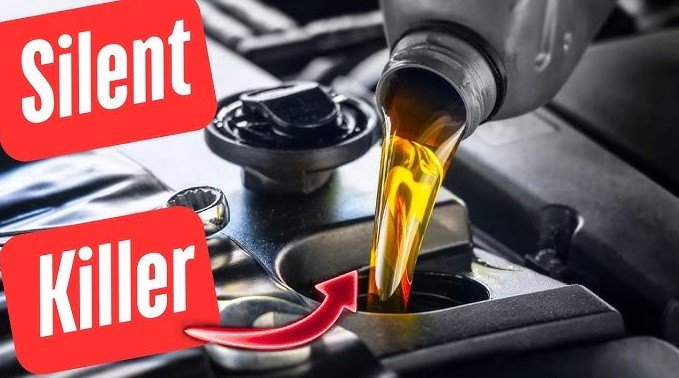
Fresh oil mixes with old dirt inside the filter. That dirt spreads into new oil within minutes. Oil color darkens fast.
Lab tests show new oil can lose up to 40 percent of its cleanliness within 100 miles when paired with a dirty filter.
Money spent on oil gets wasted.
Driving Conditions That Increase Filter Stress
Short Trips
Short trips prevent oil from heating fully. Moisture stays inside oil. Moisture increases sludge formation.
Dusty Roads
Dust enters through air intake systems. Fine dust reaches oil faster. Filters clog sooner.
Heavy Loads
Towing and heavy cargo raise engine heat. Heat breaks oil down faster. Filters collect more debris.
Stop-and-Go Traffic
Frequent stops increase engine wear. Oil circulates less smoothly. Filters trap more metal particles.
How Often the Oil Filter Needs Replacement?
Most vehicles need filter changes every oil change. Typical intervals range from 5,000 to 7,500 miles.
Severe driving conditions shorten this interval. Many experts suggest earlier changes for city driving and hot climates.
Oil filters cost far less than engine repairs.
FAQs
Can an oil filter last longer than oil?
No. Filters clog faster than oil breaks down. Dirt load increases with time.
Can a clogged oil filter damage the oil pump?
Yes. Blocked flow forces the pump to work harder. Pump wear increases.
Does synthetic oil remove the need for filter changes?
No. Synthetic oil still collects dirt. Filters still clog.
Can engine failure happen due to oil filter neglect?
Yes. Oil starvation and heat can lead to engine seizure in extreme cases.
Does oil color show filter condition?
Dark oil may signal dirt buildup. Filter inspection gives better confirmation.
Conclusion
Oil filters protect engines every second. Dirty filters spread wear, heat, and sludge. Damage builds quietly. Repair costs rise fast later. Regular oil filter changes keep oil clean, pressure stable, and engines healthy for years.