Your car’s engine relies heavily on clean oil to run smoothly, and the oil filter plays a critical role in keeping debris and contaminants out. A failing or clogged oil filter can cause serious engine damage, reduced performance, and unusual noises.
Recognizing the signs of a bad oil filter early can save you expensive repairs and extend the life of your vehicle. Some common indicators include dark, dirty oil, unusual engine sounds, low oil pressure, or visible leaks around the filter area.
Physical inspection often reveals rust, dents, or excessive sludge buildup on the filter itself. Understanding what a bad oil filter looks like allows drivers to act quickly, maintain optimal engine health, and avoid breakdowns on the road.
Awareness and timely replacement prevent small problems from turning into costly engine failures.
What Does a Bad Oil Filter Look Like?
An oil filter is a small but very important part of a car. It cleans the engine oil by removing dirt, metal bits, and other tiny particles. Clean oil keeps engine parts smooth and reduces wear.
A bad oil filter can let dirt stay in the oil, cause engine damage, and reduce fuel efficiency. Some problems show early, but others can silently damage your engine. Learning to spot a bad oil filter saves time, money, and headaches.
Signs of a Bad Oil Filter
1. Dirty or Contaminated Oil
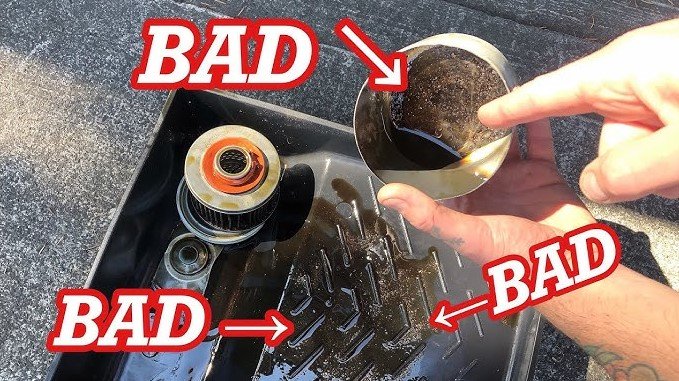
A clean oil filter keeps the engine oil light brown or amber. Over time, a failing filter allows dirt and metal particles to stay in the oil.
Dirty oil may look black, thick, or sticky. Dark oil alone is not always a problem, but if it also smells burnt or feels gritty, it is a strong sign the filter is failing.
Data Point: Metal particles as small as 0.01 millimeters can scratch engine parts. A bad filter lets these particles circulate freely.
2. Oil Leaks Around the Filter
Oil filters create a tight seal. A damaged or poorly installed filter may leak oil. Check under your car for oil spots. Leaks can reduce oil pressure, causing parts to get less lubrication. Even a small leak can create major engine problems over time.
Tip: Always check the filter gasket. If it is cracked, torn, or missing, oil will leak.
3. Unusual Engine Noise or Knocking
A bad oil filter can restrict oil flow. This leaves some parts with too little lubrication. You may hear knocking, ticking, or unusual engine noise. Noise often starts when the engine is cold and increases under heavy load.
Data Point: Engine parts like pistons and camshafts need a thin layer of oil to prevent friction. Without it, metal parts can wear 10 times faster.
4. Dashboard Warning Lights
Many cars have oil pressure or check-engine lights. A clogged filter can reduce oil flow and trigger these warnings. Never ignore a warning light. Low oil pressure can damage the engine in minutes.
5. Physical Damage to the Filter
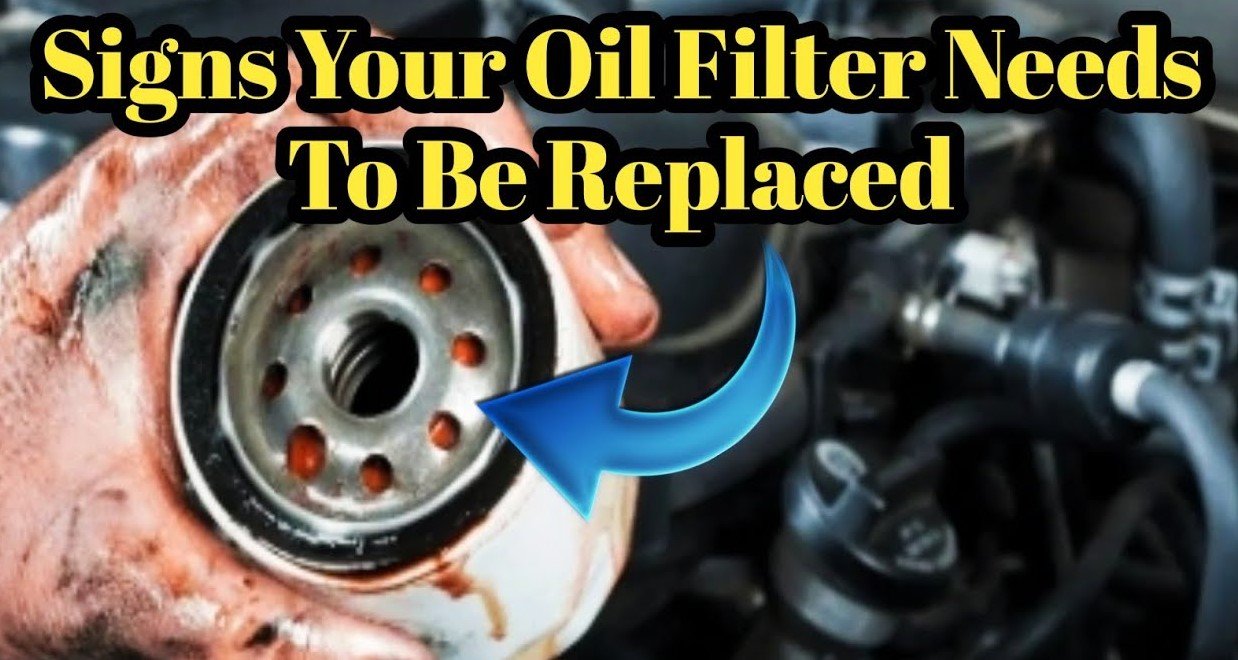
Inspect the filter physically. Look for dents, rust, or cracks. A filter with physical damage cannot protect the engine.
What to Look for Inside the Oil Filter?
1. Metal Shavings or Large Debris
Old filters trap tiny particles. If you cut open a used filter, you may see metal shavings or sludge. Metal inside the filter shows that engine wear is happening.
Data Point: Normal filters can capture up to 99% of particles larger than 20 microns. If a filter is failing, more particles pass through into the engine oil.
2. Torn or Collapsed Filter Media
The filter media is usually made of paper or synthetic fiber. If it is torn, crushed, or collapsed, it cannot filter oil properly. Oil flows around the damaged media instead of through it, letting dirt circulate freely.
Tip: Collapsed filters often occur when oil pressure is too high or when the filter is cheap and low quality.
3. Stuck or Faulty Bypass Valve
The bypass valve allows oil to flow even if the filter is clogged. A stuck valve blocks oil and causes engine starvation. Inspect the valve carefully for movement and wear.
Data Point: Modern engines operate with oil pressures between 20-60 PSI. A stuck bypass valve can reduce this by half.
Extra Signs of Oil Filter Problems
-
Oil Smell Inside Car: Oil may leak onto hot parts, causing a smell inside the cabin.
-
Reduced Engine Power: Less lubrication increases friction, reducing performance.
-
Overheating: Thick or dirty oil increases engine temperature. The filter may be part of the problem.
-
Excessive Fuel Consumption: Poor lubrication reduces efficiency, burning more fuel.
Preventing Oil Filter Problems
-
Replace the oil filter every 3,000-7,500 miles or as the car manual recommends.
-
Use a high-quality filter designed for your engine.
-
Avoid over-tightening the filter. Hand-tight is often enough.
-
Check oil level and color regularly.
-
Keep the area around the filter clean to avoid dirt entering during replacement.
-
Monitor engine performance and listen for unusual sounds.
Extra Data: Studies show that 25% of engine failures in older cars result from clogged or failing oil filters. Regular inspection prevents costly repairs.
Final Thoughts
A bad oil filter can quietly damage your engine. Dark, dirty, or gritty oil, leaks, unusual noises, and warning lights are strong signs. Checking the filter carefully and replacing it on time keeps the engine healthy.
Paying attention to small details like the filter media, bypass valve, and oil cleanliness extends engine life.
Proper maintenance ensures smooth performance, better fuel efficiency, and fewer repairs. Understanding what a bad oil filter looks like helps you protect your car and avoid unexpected breakdowns.
FAQs
Q1: How often should I change my oil filter?
Most cars need a filter change every 3,000 to 7,500 miles. Always follow your car manual.
Q2: Can a bad oil filter cause engine failure?
Yes. A clogged or damaged filter reduces oil flow, causing parts to wear fast and increasing risk of engine failure.
Q3: Can I clean an old oil filter and reuse it?
No. Cleaning cannot remove all trapped particles. Always replace a used filter.
Q4: What happens if I drive with a leaking oil filter?
Oil pressure drops, causing friction and overheating. Stop driving and replace the filter immediately.
Q5: How do I know which oil filter fits my car?
Check your car manual or the filter manufacturer’s guide. Using the wrong filter can cause leaks, poor flow, or engine damage.
Q6: How to tell if a filter is low quality?
Cheap filters often collapse, leak, or fail to trap small particles. Look for proper certification and strong filter media.
Q7: Can a clogged oil filter affect fuel efficiency?
Yes. Less lubrication increases friction, which makes the engine work harder and burn more fuel.