
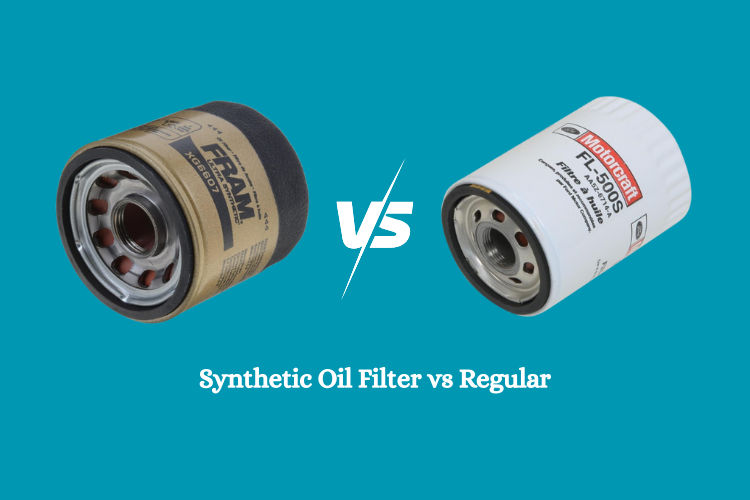
Engine health depends heavily on the oil filter that keeps contaminants out. Synthetic oil filters and regular filters offer different levels of protection and efficiency. Synthetic filters use advanced materials that capture smaller particles and resist breakdown under extreme temperatures.
This design keeps oil cleaner for longer, which improves engine performance and extends its life. Regular filters use standard cellulose or blended fibers that work well under normal driving conditions but may struggle under heavy loads or high heat.
Vehicles driven in stop-and-go traffic, harsh climates, or on long road trips often benefit more from synthetic filters. Cost differences exist, but the investment in a synthetic filter can pay off with fewer engine issues and longer oil change intervals.
Understanding the strengths and limitations of each filter type helps drivers make smart decisions for maintenance and overall engine care.
Synthetic Oil Filter vs Regular Oil Filter
Oil filters protect engines by removing dirt, metal, and other particles from motor oil. Clean oil helps engines run smoothly and last longer.
Synthetic oil filters and regular filters both serve this purpose, but they work differently. Synthetic filters provide stronger protection and can last longer. Regular filters are cheaper and suit simple use. This guide explains both in detail.
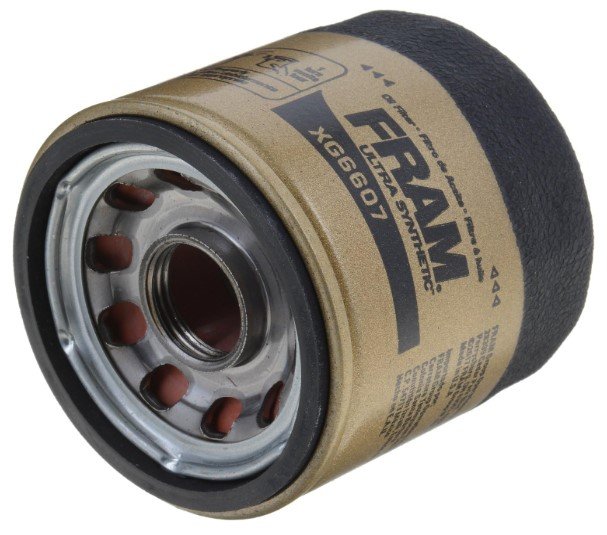
FRAM Synthetic Oil Filter
Product Details
FRAM Synthetic XG6607P is designed for full synthetic oil. It protects engines up to 20,000 miles. The filter has a silicone anti-drainback valve, which stops oil from draining when the engine is off. The SureGrip feature makes installation easy and clean.
Features
-
Dual-layer pleated media: Captures dirt, dust, and exhaust particles for cleaner oil.
-
Silicone anti-drainback valve: Provides superior start-up protection and resists high heat.
-
SureGrip installation: Nonslip surface makes it easy to screw the filter on without mess.
-
High-temperature resistance: Advanced gasket and durable coil spring improve longevity.
-
20,000-mile capability: Reliable protection for long drives and high-mileage use.
What is the Good?
-
Long-lasting engine protection up to 20,000 miles.
-
Filters over 99% of dirt and contaminants.
-
Easy installation for DIY users.
-
Handles high engine heat without leaks.
What is the Bad?
-
Slightly more expensive than basic filters.
-
Over-tightening can damage the gasket.
-
Some older engines may not need full synthetic filters.
Best For
-
Drivers using full synthetic oil.
-
Cars and trucks with moderate to high mileage.
-
People who drive long distances or on highways regularly.
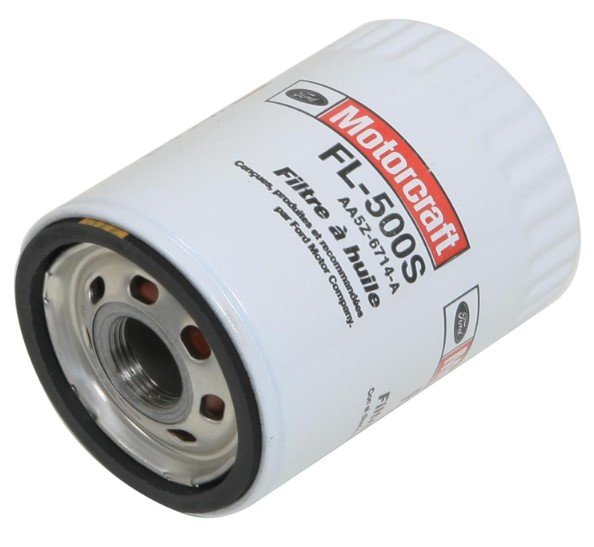
Motorcraft Regular Oil Filter
Product Details
Motorcraft FL-500S is a standard oil filter made of steel. It is designed to remove dirt, sand, carbon, and metal bits from oil. Pressure-relief valves prevent dirty oil from flowing back into the engine. It suits many Ford vehicles, including Mustang, F-150, Explorer, and Edge.
Features
-
Steel construction: Strong and durable housing.
-
Contaminant removal: Filters out abrasive particles to protect the engine.
-
Pressure-relief valve: Prevents oil starvation and recirculation of dirty oil.
-
Wide vehicle compatibility: Works with multiple Ford models.
What is the Good?
-
Affordable and easy to replace.
-
Provides good protection for normal driving.
-
Strong steel body reduces risk of filter damage.
-
Compatible with many Ford vehicles.
What is the Bad?
-
Shorter lifespan than synthetic filters.
-
Not as effective in extreme heat or high-performance engines.
-
Does not capture very fine particles as well as synthetic filters.
Best For
-
Daily commuting and city driving.
-
Cars that do not require extended oil change intervals.
-
Ford vehicles listed under its compatibility.
Details Comparison for Synthetic Oil Filter vs Regular
| Feature | FRAM Synthetic XG6607P | Motorcraft FL-500S |
|---|---|---|
| Filtration Type | Dual-layer synthetic media | Standard paper/steel media |
| Particle Capture | 99%+ efficiency | Moderate efficiency |
| Mileage | Up to 20,000 miles | 3,000–7,500 miles typical |
| Start-Up Protection | Silicone anti-drainback valve | Standard pressure-relief valve |
| Heat Resistance | High | Moderate |
| Price | $8.00 | $8.44 |
| Best For | Long-distance driving, high mileage | Daily driving, city use |
| Ease of Installation | Easy with SureGrip | Standard installation |
Comparison Paragraph
FRAM synthetic filters offer stronger protection and longer life. They are ideal for high-mileage cars, long trips, and modern engines using synthetic oil.
Motorcraft filters are reliable for daily driving and short oil change intervals. They protect engines well but do not last as long or handle extreme conditions as effectively. FRAM wins for durability and efficiency. Motorcraft wins for budget and basic use.
FAQs
1. Can synthetic filters damage an engine?
No. Synthetic filters are safe for any engine compatible with synthetic oil.
2. How long does a regular filter last?
Most regular filters last 3,000–7,500 miles, depending on oil type and driving conditions.
3. Can FRAM handle high heat?
Yes. FRAM synthetic filters resist high temperatures and protect start-up oil flow.
4. Are synthetic filters worth the cost?
Yes. They last longer, filter more contaminants, and reduce engine wear.
5. Which filter is better for city driving?
Motorcraft or other regular filters are enough for city use and short trips.
Conclusion
Synthetic oil filters like FRAM XG6607P provide superior filtration, longer life, and better engine protection. Regular filters like Motorcraft FL-500S work well for everyday driving but require more frequent changes.
Choose synthetic filters for long trips, high mileage, or heavy-duty use. Regular filters suit normal driving, budget-conscious users, and short oil change intervals. Both types keep engines safe, but performance, mileage, and protection differ.