

Prefilling an oil filter sparks strong opinions among car enthusiasts and mechanics. The goal is simple: fill the filter with fresh oil before installation to prevent the engine from running dry during startup.
Engines rely on constant lubrication, and a dry filter can briefly starve critical components, causing extra wear. Prefilling can reduce that risk, especially for larger engines or vehicles parked at an angle. Not all vehicles benefit equally, though.
Some modern cars with pressurized oil systems circulate oil quickly enough that prefill offers minimal advantage. Oil type, filter design, and engine orientation play key roles in deciding if prefill makes sense. Mechanics also weigh convenience against potential mess and spills.
Understanding the pros and cons of prefiling helps car owners make informed maintenance choices. Knowledge of how your engine behaves under startup conditions guides whether prefill offers real benefits or just extra work.
Should You Prefill Your Oil Filter?
Changing engine oil keeps your car running smoothly. The oil filter also plays a key role. It traps dirt, metal particles, and other contaminants so the oil stays clean.
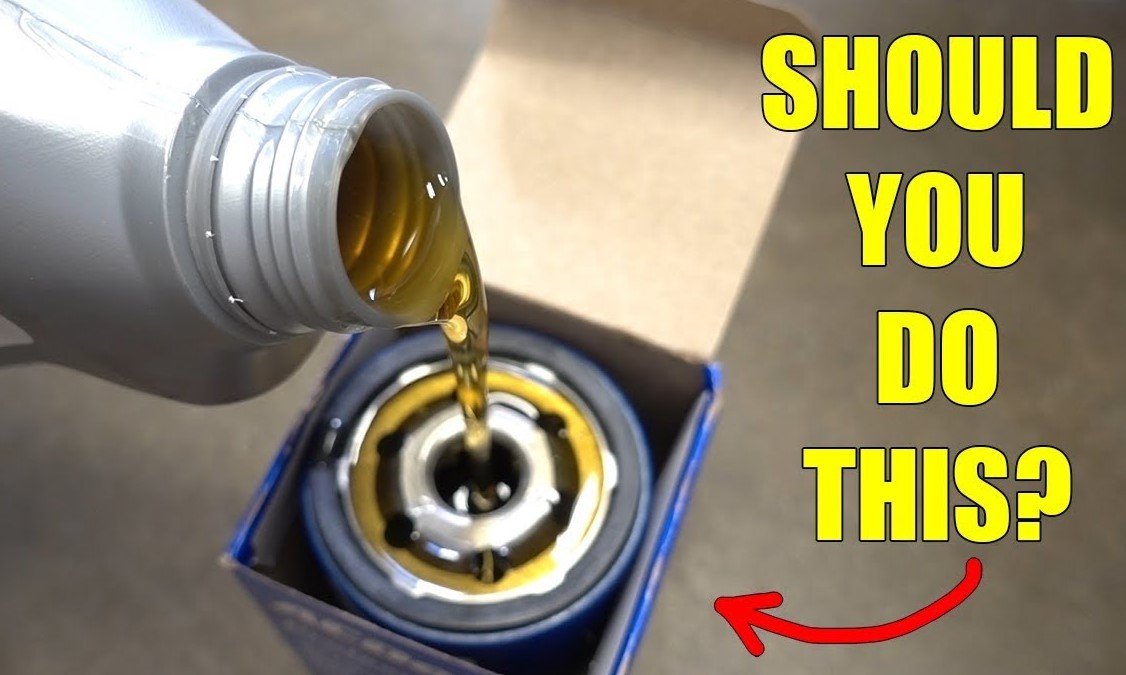
One question often comes up: should you prefill your oil filter? Prefilling means pouring oil into the filter before installing it. Some people do it to reduce engine wear during startup.
Others skip it because modern engines fill filters quickly. Understanding how prefill works, its benefits, and risks can help you protect your engine and make the oil change process more efficient.
What Prefilling an Oil Filter Really Means?
An oil filter is a small cylinder filled with paper or synthetic media. Oil flows through it before reaching the engine. Prefilling adds oil to the filter cavity before installation.
-
Dry filter: Empty when installed. The engine must fill it before oil reaches parts.
-
Prefilled filter: Already has oil inside. Lubrication starts immediately when the engine runs.
Prefilling may seem small, but it can influence engine wear in the first few seconds of operation.
How Oil Flows in the Engine?
Understanding oil flow helps explain prefill benefits.
-
Oil pump draws oil: Pump pulls oil from the pan.
-
Oil travels through filter: Dirty oil passes the filter media.
-
Filtered oil reaches bearings: Crankshaft, camshaft, and pistons get clean oil.
-
Lubrication spreads: Oil circulates to valves, timing chains, and other moving parts.
In a dry filter, the pump first fills the filter. That takes a few seconds. In a prefilled filter, oil is already there. The engine receives lubrication instantly.
Benefits of Prefilling an Oil Filter
1. Reduces Dry Start Wear
A dry start is the period when engine parts run with little or no lubrication. Even 5–10 seconds of dry start can cause slight wear. Prefilling can reduce this period, especially for:
-
Large engines: Trucks, SUVs, and diesel engines with big filters take longer to fill.
-
Cold weather: Thick oil flows slower in cold temperatures, extending dry start time.
2. Faster Oil Flow
Prefilled filters help oil reach critical parts faster. This can be useful if the car hasn’t been driven for a while, or if oil was fully drained during a change.
3. Immediate Lubrication
Moving parts like pistons and bearings get lubrication instantly. This is particularly important in engines with tight tolerances or high-performance designs.
Risks and Precautions
Prefilling is not always safe. Some risks include:
-
Oil spillage: Filling too much oil can spill when installing the filter. This can create a mess or even catch on hot engine parts.
-
Leaking filters: Some engines mount filters upside down. Prefilled oil can leak before installation.
-
Minor benefit in small engines: Most modern cars have efficient oil pumps. Prefill may not make a difference.
Safety Tips
-
Use only the correct oil type and viscosity recommended for your engine.
-
Never overfill the filter; half to three-quarters full is enough.
-
Lubricate the gasket with a thin coat of oil for a proper seal.
-
Hand-tighten the filter first; then, give a small additional turn with a wrench if needed.
How to Prefill an Oil Filter?
Tools Needed
-
Engine oil (same as your car uses)
-
Oil filter
-
Small container or cup
-
Clean rag
Step-by-Step
-
Check engine manual: Confirm the filter orientation. Some engines mount filters upside down.
-
Fill filter cavity: Pour oil slowly to avoid spilling. Fill about half to three-quarters full.
-
Coat the gasket: Rub oil around the rubber seal for a good fit.
-
Install the filter: Screw in by hand until it is snug. Avoid over-tightening.
-
Add engine oil: Fill the engine to the proper level.
-
Check for leaks: Start the engine and watch for oil leaks around the filter.
When Prefilling Makes Sense?
-
Large diesel or V8 engines: These engines have bigger filters that take longer to fill.
-
Cold climates: Thick oil in winter flows slower. Prefilling reduces dry start risk.
-
Engines with long oil paths: Trucks or heavy equipment may take longer to pressurize oil lines.
Modern small engines usually do not need prefill. Oil pumps reach full pressure in 1–2 seconds, which is fast enough to protect the engine.
Data and Insights
-
Engine wear studies: Research shows that even 5–10 seconds of dry start creates measurable wear over time. Prefilling reduces this slightly.
-
Oil pressure: Modern cars reach 20–40 PSI within a second. Prefill mainly benefits engines where pressure rise is slower.
-
Filter size effect: Small filters hold about 0.3–0.5 liters, large truck filters can hold 1 liter or more. More volume means more time to fill if dry.
FAQs
Q1: Can I damage my engine by not prefiling?
No. Modern engines fill filters quickly. Minor wear may occur during dry start, but it is usually not harmful.
Q2: Is prefill necessary for every car?
No. It is mainly helpful for large engines, cold climates, or inverted oil filters.
Q3: How much oil should I pour in the filter?
Half to three-quarters full. Avoid full capacity to prevent spills.
Q4: Can prefill cause leaks?
Yes, especially for upside-down filters. Always check orientation before filling.
Q5: Does prefill extend engine life?
Slightly, mainly in large engines or cold weather. For small modern engines, benefit is minimal.
Conclusion
Prefilling an oil filter can reduce dry start wear, help lubrication start faster, and be useful in large engines or cold climates. Modern small engines with fast oil pumps do not need it.
Always check the engine manual, fill the correct amount, and install the filter carefully. Proper oil type, correct installation, and timely oil changes matter more than prefill itself. This approach keeps the engine safe, clean, and long-lasting.