
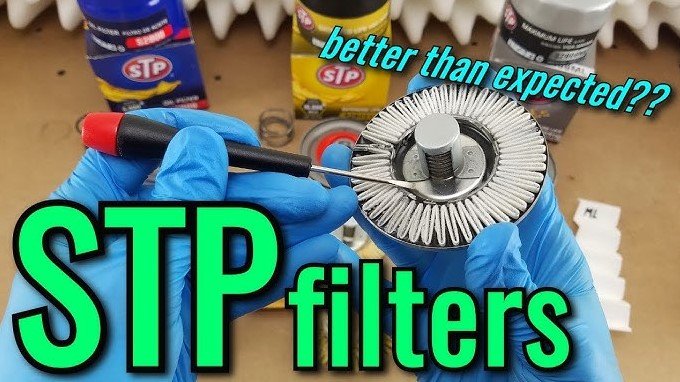
STP oil filters claim to protect engines from dirt, debris, and wear, but how well do they really perform? Millions of drivers trust STP products, yet questions about their durability and efficiency keep popping up.
Engine health depends on clean oil circulation, and the right filter plays a crucial role. STP offers a range of filters designed for cars, trucks, and SUVs, promising strong filtration and long-lasting performance.
Users report mixed experiences some praise their affordability and reliable operation, while others notice shorter lifespans compared to premium brands. Understanding STP’s construction, filtration capacity, and compatibility with your vehicle helps make an informed choice.
This guide dives deep into STP oil filters, highlighting strengths, weaknesses, and what to expect in real-world use. By exploring expert opinions and user feedback, you can decide whether STP fits your engine protection needs.
Is STP a Good Oil Filter?
Oil keeps engines running smoothly. Dirt, metal particles, and old oil can damage the engine. An oil filter removes these harmful materials. STP is a famous brand in the car care industry.
People often ask: Is STP a good oil filter? This article explains how STP oil filters work, their benefits, and their limits. You will also learn tips for using them correctly.
About STP Oil Filters
STP started in the 1950s. The brand is popular for oil additives, car cleaners, and filters. STP oil filters are available worldwide. Drivers like STP because the brand is easy to find and affordable.
Types of STP Oil Filters
1. Standard Oil Filters
These filters work for daily city and highway driving. They protect the engine from normal dirt and particles.
2. Premium Oil Filters
Premium filters have stronger filter paper. They can trap smaller particles. These filters last longer and protect the engine better during heavy use.
3. High-Performance Oil Filters
High-performance filters are for sports cars, trucks, or cars that carry heavy loads. They filter faster and hold more dirt before clogging.
How STP Oil Filters Work?
Filtration Technology
STP uses paper or synthetic filter media inside the filter. Oil passes through this media. Dirt, dust, and metal particles stay in the filter. Clean oil goes back to the engine.
Anti-Drainback Valve
Many STP filters have a small valve called an anti-drainback valve. It stops oil from draining out when the engine is off. This keeps the engine ready to run at startup.
Strong Filter Case
The metal case of the filter is strong. It can handle high pressure inside the engine. This prevents leaks and filter damage.
Performance of STP Oil Filters

Dirt Holding Capacity
STP filters hold a good amount of dirt before they need replacement. Standard filters may hold less dirt than premium filters. This is why frequent oil changes are important.
Flow Rate
Flow rate means how fast oil can pass through the filter. STP filters allow enough oil to reach the engine quickly. This keeps the engine lubricated and prevents overheating.
Engine Protection
Clean oil prevents engine wear. STP filters remove harmful particles. This helps the engine last longer and run smoothly.
Advantages of STP Oil Filters
-
Affordable: STP filters cost less than many premium brands.
-
Reliable: Works well for normal daily driving.
-
Easy to Find: Available in stores and online almost everywhere.
-
Protects Engine: Removes harmful dirt and metal particles.
-
Easy to Install: Fits most cars and does not need special tools.
Limitations of STP Oil Filters
-
Not for Extreme Conditions: Sports cars or heavy trucks may need stronger filters.
-
Shorter Life: Premium brands can last longer between oil changes.
-
Filtration Size: Some very small particles may pass through standard STP filters.
Tips for Using STP Oil Filters
-
Match the filter with your car model. Check the owner’s manual.
-
Replace the filter during every oil change.
-
Apply a small amount of oil on the rubber gasket before installation. This helps create a good seal.
-
Do not over-tighten the filter; it can damage the threads.
-
Monitor engine oil level after installation for leaks.
Comparison with Other Brands
| Feature | STP Oil Filter | Fram Oil Filter | Mobil 1 Oil Filter | Bosch Oil Filter |
|---|---|---|---|---|
| Price | Low | Low-Medium | Medium-High | Medium |
| Filtration Quality | Good | Medium | Excellent | Good-Excellent |
| Engine Protection | Good | Medium | Excellent | Excellent |
| High-Performance Use | Limited | Limited | Excellent | Good |
| Availability | Easy | Easy | Easy | Medium |
This table helps drivers compare STP with other common filters. STP is good for daily driving, while Mobil 1 and Bosch may suit high-performance engines.
Is STP a Good Oil Filter for BMW?
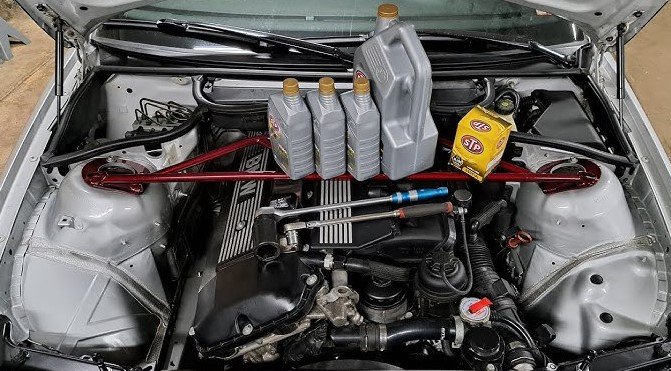
Oil filters keep engines clean. They stop dirt, metal particles, and sludge from damaging your engine. Choosing the right oil filter matters, especially for cars like BMW. BMW engines are precise and need high-quality parts.
STP makes many oil filters. People often ask, “Is STP a good oil filter for BMW?” This article explains everything about STP filters for BMW. It will help you understand how they work, their pros and cons, and whether they suit your car.
Pros of Using STP Oil Filter for BMW
STP filters have several benefits for BMW owners:
-
Affordable Price
STP filters cost less than OEM (original) BMW filters. This saves money on maintenance. -
Easy Installation
Spin-on design makes changing the filter simple. You don’t need special tools. -
Good Filtration for Daily Use
STP filters trap most dirt and particles well. For daily driving, they protect the engine.
Cons of Using STP Oil Filter for BMW
Some drawbacks exist:
-
Not Always BMW-Specific
BMW engines have high pressure and sensitive systems. Some STP filters may not meet BMW standards. -
Durability Concerns
For high-performance driving or long intervals, STP filters may wear faster than OEM. -
Potential Warranty Issues
Using non-BMW filters can sometimes affect warranty coverage.
Comparing STP to BMW OEM Oil Filters
| Feature | STP Oil Filter | BMW OEM Filter |
|---|---|---|
| Filtration Efficiency | Good for regular use | High, meets BMW specs |
| Price | Affordable | Expensive |
| Engine Safety | Moderate | Excellent |
| Fitment | Fits some BMW models | Perfect for all BMW models |
| Durability | Moderate | Long-lasting |
BMW OEM filters offer maximum protection and reliability. STP works for regular driving but may not match OEM for high-performance needs.
Tips for Using STP Oil Filters on BMW
-
Always check if the STP filter fits your exact BMW model.
-
Change oil and filter regularly. Don’t extend intervals too long.
-
Avoid heavy-duty or high-performance driving with STP filters.
-
Keep an OEM filter as a backup for long trips or high-stress conditions.
FAQs
Q1: Are STP oil filters good for older cars?
Yes. STP filters work well for older cars that drive normally.
Q2: Can I use STP oil filters in high-mileage cars?
Yes, but premium filters may give better protection for engines with more wear.
Q3: How often should I replace an STP oil filter?
Change it every 3,000–5,000 miles, depending on the car manual.
Q4: Do STP oil filters fit all car brands?
No. Always check your car’s manual for the correct filter model.
Q5: Are STP oil filters better than generic filters?
STP filters are usually more reliable than cheap generic filters but not as advanced as premium brands.
Conclusion
STP oil filters offer reliable engine protection at an affordable price. They work well for normal city and highway driving.
Drivers who need extra protection, high performance, or very long-lasting filters may choose premium brands.
For everyday use, STP is a solid choice that keeps the engine clean and running smoothly.