
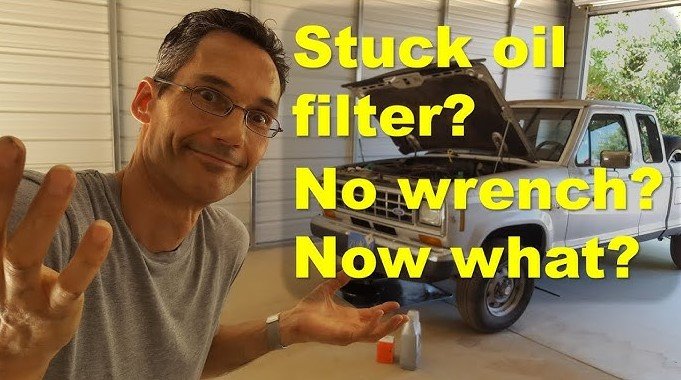
Removing a stubborn oil filter can feel impossible without a wrench, especially for beginners or DIY car enthusiasts. Struggling with tight spaces, oily hands, and limited tools often turns a simple maintenance task into a frustrating experience.
Knowing alternative methods saves time, prevents damage, and keeps your vehicle running smoothly. Household items, simple tools, and clever techniques often work just as well as specialized equipment.
Understanding the right approach makes the process safer and more efficient, reducing the risk of spills or injuries. This guide shows step-by-step solutions for removing an oil filter without relying on a wrench. Each method focuses on practicality, affordability, and safety.
Whether working in a garage or a driveway, these strategies help tackle stubborn filters confidently. Take control of your car maintenance and discover ways to handle tricky oil filters like a pro, without extra tools piling up in your toolbox.
How to Remove Oil Filter without Wrench?
Changing an oil filter is an important part of car maintenance. Oil filters get dirty over time and block the flow of oil. Usually, mechanics use an oil filter wrench to remove it. Some filters get very tight.
Sometimes, you may not have a wrench at home. That does not mean you cannot remove it. Several simple methods allow you to remove an oil filter without a wrench. This guide explains each method step by step.
You will learn how to remove the filter safely, avoid spills, and save time. These techniques work for most cars, trucks, and motorcycles. Even beginners can follow them with minimal tools.
Tools and Materials Needed
Before starting, gather these items:
-
Gloves: Protect your hands from hot oil and sharp edges.
-
Old rag or cloth: Provides grip for the filter and cleans spills.
-
Flathead screwdriver: Helps pry or twist stubborn filters.
-
Pliers or adjustable pliers: Useful for tight metal filters.
-
Oil drain pan: Catches oil when removing the filter.
-
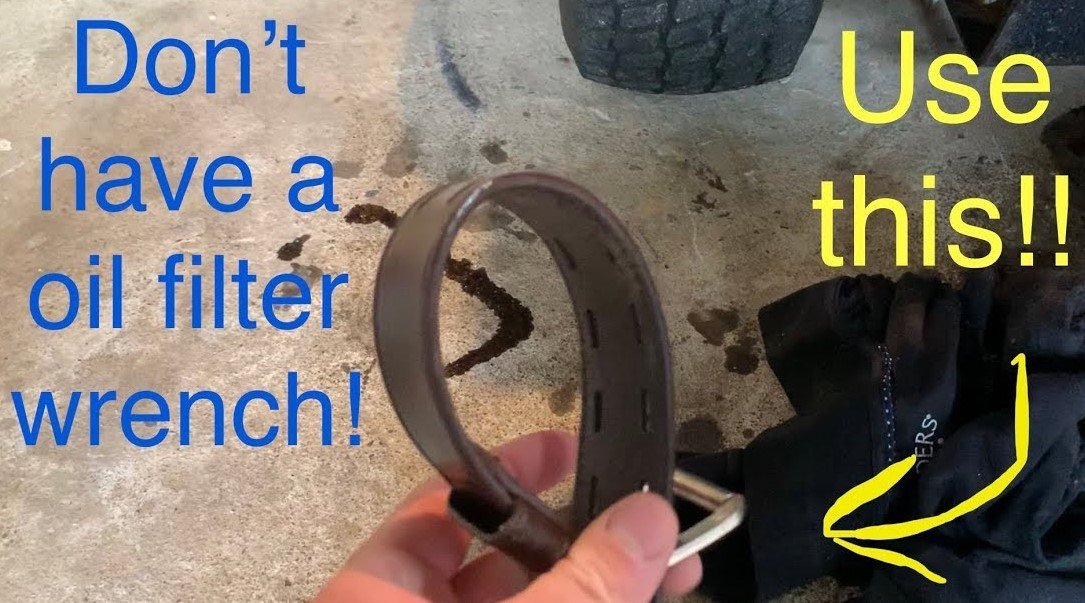
Rubber strap, strong rubber band, or oil filter strap: Works like a mini wrench.
-
Flashlight (optional): Helps see under the car or engine area.
Having these ready will make the process easier and safer.
Step-by-Step Methods to Remove Oil Filter without Wrench
Method 1: Cloth or Rag Grip
-
Turn off the car engine and wait until it cools down. Never touch a hot engine.
-
Place an oil drain pan under the filter. Oil may spill when loosening it.
-
Wrap a thick cloth or rag tightly around the oil filter.
-
Hold the filter firmly and turn it counterclockwise. Use steady force.
-
If it moves, keep turning slowly until it comes off.
Tip: Use a dry rag. Wet or oily cloth may slip and make it harder to remove.
Method 2: Using Pliers or Adjustable Pliers
-
Select adjustable pliers that fit the filter size.
-
Open the pliers and grip the filter gently but firmly.
-
Turn the filter counterclockwise.
-
Do not squeeze too hard. Crushing the filter can make removal harder and spill oil.
Extra Advice: Metal filters work best with pliers. Plastic filters may crack.
Method 3: Screwdriver Technique
-
Take a flathead screwdriver and push it carefully into the oil filter body.
-
Twist the screwdriver slowly to rotate the filter.
-
Keep turning until the filter loosens enough to remove by hand.
Caution: Avoid damaging engine parts around the filter. This method is best for stubborn filters.
Method 4: Rubber Strap or Belt Method
-
Wrap a strong rubber strap, belt, or strap wrench around the filter.
-
Pull the strap in a counterclockwise motion.
-
The friction will loosen the filter.
-
Once it moves, remove it by hand.
Tip: Use a wide, thick rubber strap. Thin straps can snap under pressure.
Method 5: Tap Method for Stubborn Filters
-
Place the oil drain pan below the filter.
-
Tap lightly around the edges of the filter using a screwdriver handle or small hammer.
-
This shakes loose stuck oil or dirt inside the threads.
-
Try one of the previous methods again to remove it.
Warning: Tap gently. Heavy hits may damage the filter or engine threads.
Extra Tips for Safe and Easy Removal
-
Always wear gloves to prevent burns and keep hands clean.
-
Let the engine cool for 20–30 minutes before starting.
-
Clean the area around the filter to avoid dirt falling inside the engine.
-
Use a flashlight to check the filter position if the area is dark.
-
Place paper towels or rags under the car to catch oil drips.
-
Apply a thin layer of oil on the new filter gasket before installation. It helps form a tight seal.
-
Never force the filter. Gentle, steady pressure is safer and avoids damage.
How to Handle Spilled Oil?
-
Keep an oil drain pan ready to catch old oil.
-
Wipe any spilled oil immediately with a cloth.
-
Dispose of used oil according to local laws. Never pour oil on the ground or drain.
Common Mistakes to Avoid
-
Trying to remove a hot filter. This can burn hands.
-
Using too much force and crushing the filter.
-
Dropping tools into the engine bay. Small metal pieces can damage parts.
-
Reusing an old filter. Always replace it with a new one.
-
Forgetting to tighten the new filter correctly.
Conclusion
Removing an oil filter without a wrench is possible with simple tools and techniques. Cloth, pliers, screwdrivers, rubber straps, and tapping methods work for different situations. Careful handling prevents spills and damage.
Regular oil and filter changes keep the engine healthy. Following safety tips makes the process easy and safe. Even beginners can remove filters successfully without special tools.
FAQs
Q1: Can I remove an oil filter with bare hands?
Yes, if it is loose. Use gloves for better grip. Firmly turn it counterclockwise until it comes off.
Q2: What if the oil filter is stuck very tight?
Use pliers, screwdriver leverage, or a rubber strap. Tap lightly around the edges to loosen it.
Q3: Can I reuse an old oil filter?
No. Always replace with a new filter to ensure proper engine performance.
Q4: How can I avoid oil spillage?
Place an oil drain pan below the filter. Wipe any oil drips immediately.
Q5: Will removing a filter without a wrench damage the engine?
No, if done carefully. Avoid crushing the filter and apply gentle, steady pressure.