
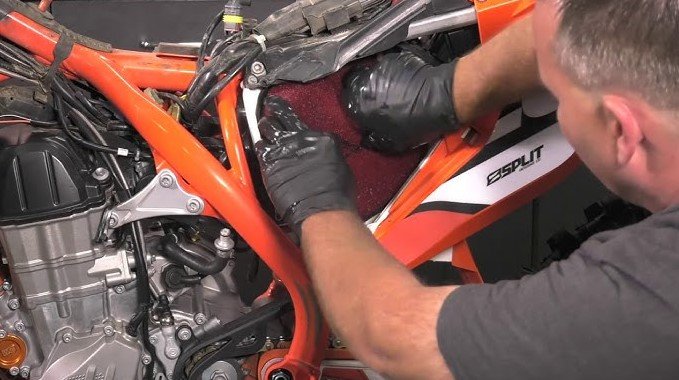
Dust, sand, and trail debris can destroy a dirt bike engine faster than most riders expect. A clean and properly oiled air filter stands as the first line of defense against harmful particles. Strong airflow and solid filtration help your bike deliver smooth throttle response and steady power on every ride.
Many riders clean the filter but skip correct oiling steps, which leads to poor sealing and engine wear. Proper oil coverage traps fine dirt while still allowing air to pass through with ease.
The process does not require expensive tools, yet it demands care and attention to detail. A well-oiled filter also extends engine life and reduces long-term repair costs.
Clear steps and the right technique make the job simple and effective. This guide explains how to oil a dirt bike air filter the right way so your bike stays protected and ready for every trail.
How to Oil a Dirt Bike Air Filter?
A dirt bike engine needs clean air. Off-road riding fills the air with dust, sand, and mud. The air filter stops those particles before they reach the engine.
Clean oil on the foam makes a sticky layer. Dust sticks to that layer. Clean air moves into the engine. Power stays strong. Engine parts stay safe.
Many riders ignore this small job. That mistake costs money. Engine repair costs far more than a bottle of filter oil. This guide explains every step in detail. Clear steps. Simple language. No confusion.
How a Dirt Bike Air Filter Works?
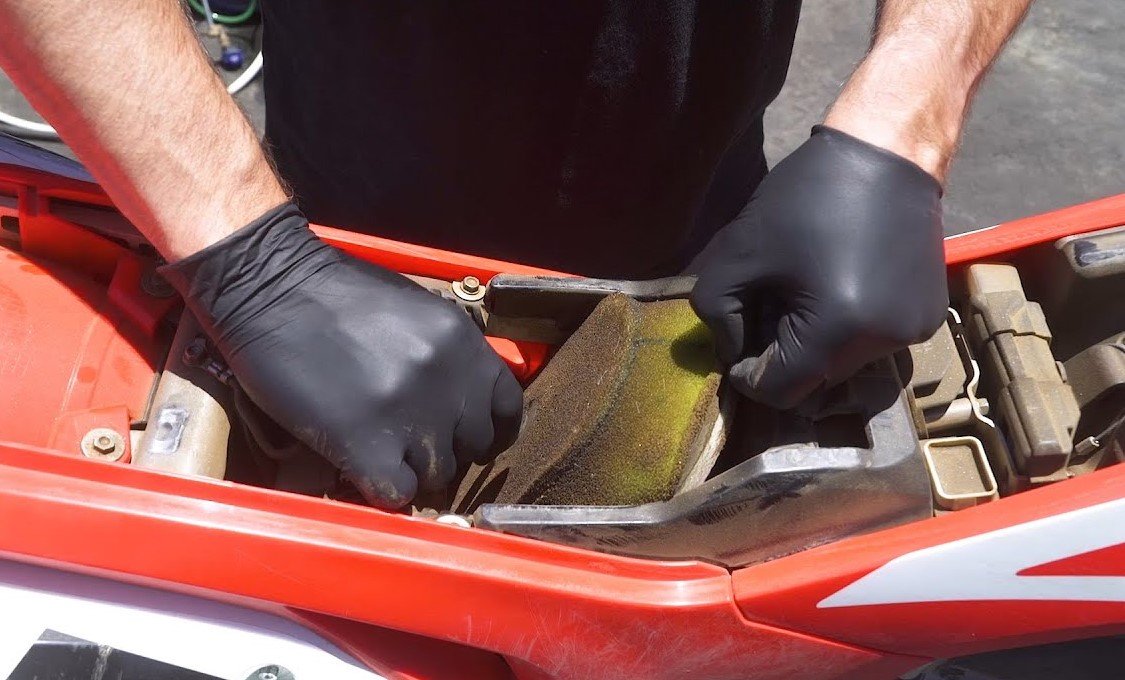
Most dirt bikes use a foam air filter. Foam has many small holes. Air flows through those holes.
Dust particles can measure between 5 to 100 microns. Fine dust can pass through dry foam. Oil fills the tiny spaces and traps those small particles.
An engine pulls thousands of liters of air per minute at high RPM. That means heavy dust flow during trail riding. Even one dusty ride can load the filter fast.
Clean oil helps the filter catch:
-
Fine dust
-
Sand
-
Small debris
-
Mud spray
Good filtration reduces engine wear. Poor filtration increases wear on piston rings, cylinder walls, and valves.
What Happens Without Proper Oiling?
Dry foam allows fine dust inside the intake. Dust acts like sandpaper inside the engine.
Over time, this can cause:
-
Loss of compression
-
Higher oil consumption
-
Lower horsepower
-
Rough idle
-
Hard starting
Engine rebuild costs can become very high. Regular filter oiling prevents this damage.
Supplies You Need
Prepare your work area first. Clean table. Good light. No dirt nearby.
Cleaning Supplies
-
Foam air filter cleaner or mild detergent
-
Bucket
-
Warm water
-
Clean towels
Oiling Supplies
-
Foam air filter oil
-
Disposable gloves
-
Plastic bag or container
-
Rim grease
Foam filter oil has thick and sticky texture. It spreads slowly. It clings to foam and traps dirt.
Detailed Step-by-Step Process
Remove the Air Filter
Turn off the engine. Let it cool. Remove the seat. Open the air box carefully. Take the filter out slowly. Dirt can fall into the intake. Cover the intake opening with a clean cloth.
Inspect the filter:
-
Check for tears
-
Check for dry cracks
-
Check glued seams
Damaged foam cannot protect your engine.
Deep Cleaning the Filter
Old oil holds old dirt. You must remove both. Place the filter in a bucket. Pour cleaner over the foam. Massage gently with both hands.
Press. Release. Press again. Do not twist hard. Twisting tears foam cells. Rinse with warm water. Water may turn dark. Repeat cleaning until water looks clear.
Heavy dirt may require two or three washes. Squeeze gently to remove water. Never wring or stretch the foam.
Let the filter air dry fully. Drying may take several hours. Sunlight helps but avoid direct heat sources like heaters or hair dryers. Moisture left inside foam blocks airflow and weakens oil bonding.
Correct Way to Apply Oil
Dry foam absorbs oil evenly. Wet foam does not. Put on gloves. Pour a small amount of oil into a plastic bag.
Insert the filter into the bag. Seal the bag and massage oil through foam. Work slowly. Move fingers through every section.
Focus on:
-
Outer surface
-
Inner surface
-
Seams
-
Corners
All areas must feel evenly coated. Foam should change color slightly after oiling. Most oils show red or blue tint.
How Much Oil Is Correct?
Correct oiling means full coverage with no dripping.
Too little oil:
-
Dry spots visible
-
Dust passes through
-
Engine wear increases
Too much oil:
-
Airflow restriction
-
Poor throttle response
-
Fouled spark plug
-
Rich fuel mixture
A properly oiled filter feels sticky but not wet. Squeeze lightly. No oil should drip out. Place the filter on a clean towel for 20 to 30 minutes. Oil spreads evenly during this time.
Importance of Sealing the Air Filter Rim
Air can enter through small gaps between filter and air box. Apply a thin layer of grease around the filter rim. This creates an airtight seal.
Even a tiny gap allows dust to enter. Dust bypass damage often starts at poor sealing points. Check mounting bolt tightness. Secure fit prevents vibration leaks.
Service Interval Based on Riding Conditions
Dust level controls cleaning frequency.
Light Trail Riding
Clean every 2 to 3 rides.
Heavy Dust Riding
Clean after every ride.
Sand Tracks or Racing
Clean after each session.
Racing engines run high RPM. High airflow pulls more dirt. Short service intervals protect engine life. Professional riders often carry extra pre-oiled filters for quick changes.
Signs Your Air Filter Needs Service
Watch for these signs:
-
Reduced throttle response
-
Dark or heavy dirt on foam
-
Dust inside air boot
-
Engine runs rich
-
Increased fuel use
Inspection takes only a few minutes. Regular checks prevent large problems.
Advanced Maintenance Tips
Keep Multiple Filters
Two or three filters save time. Rotate them.
Store Oiled Filters Properly
Place in sealed plastic bags. Keep away from dust.
Check Air Box Each Time
Wipe inside with clean cloth. No loose dirt should remain.
Replace Old Filters
Foam breaks down over time. Hard or brittle foam cannot hold oil well.
Many riders replace foam filters every season or after heavy use.
Performance Impact of a Clean Air Filter
Clean and properly oiled filters allow smooth airflow.
Better airflow leads to:
-
Stable idle
-
Strong acceleration
-
Smooth throttle
-
Better fuel balance
Dirty filters reduce oxygen flow. Engine may feel weak or slow. Consistent maintenance keeps performance steady.
FAQs
How long should I wait before installing the filter after oiling?
Wait at least 20 to 30 minutes. Oil spreads evenly during this time.
Can I wash the filter with gasoline?
Gasoline damages foam and glue seams. Use proper cleaner or mild detergent.
How long does a foam air filter last?
Life depends on use. Many riders replace filters once per season or sooner if foam shows wear.
Can too much oil damage the engine?
Too much oil restricts airflow. Engine may run rich. Performance drops.
What happens if dust enters the engine?
Dust increases internal wear. Compression drops over time. Repair costs increase.
Conclusion
Air filter oiling protects your dirt bike engine from serious damage. Clean foam and correct oil amount trap fine dust and sand. Simple steps make a big difference.
Regular inspection and proper oiling improve engine life, power, and reliability. Small maintenance today prevents expensive repairs tomorrow.