
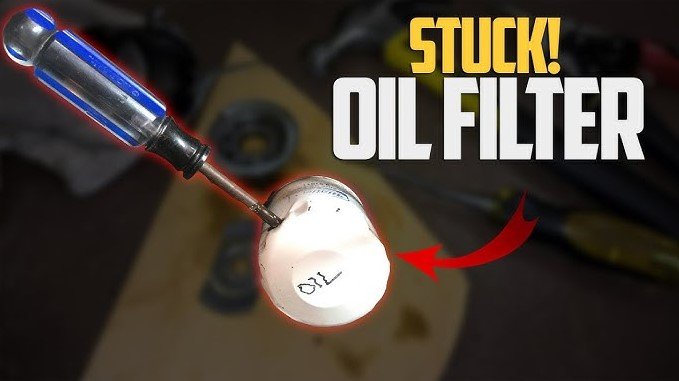
A stuck oil filter can turn a simple oil change into a frustrating task. Cars rely on smooth oil flow, and a tight or jammed filter can delay maintenance and even cause damage if forced incorrectly.
Understanding the right way to loosen an oil filter saves time, prevents leaks, and keeps your engine running smoothly. Drivers often apply too much force or use the wrong tools, which risks denting the filter or injuring hands.
Tools like strap wrenches, pliers, or even specialized filter removers make the process easier and safer. Knowing how to grip, twist, and release the filter properly ensures a clean removal every time. This guide walks through practical techniques, tool choices, and safety tips.
Mastering this skill helps maintain your vehicle efficiently, reduces repair costs, and builds confidence in handling routine car maintenance tasks. A little knowledge goes a long way under the hood.
How to Loose Oil Filter?
Changing an oil filter is an essential part of car maintenance. A stuck oil filter can cause frustration and even damage your car or hurt your hands.
Knowing the right techniques and tools makes this task simple and safe. This guide explains detailed steps, tools, and tricks to remove a tight oil filter.
Tools You Need
Having the right tools before starting saves time and effort. These tools make it easier to remove even the tightest filters.
-
Oil filter wrench – strap type or cup type is most common.
-
Adjustable wrench – for extra leverage if needed.
-
Rubber gloves – protect hands and improve grip.
-
Oil drain pan – to catch oil that spills during removal.
-
Rag or cloth – for cleaning up oil spills.
-
Penetrating oil – optional, helps loosen filters stuck by rust or dirt.
-
Small flashlight – helps see in dark spaces under the car.
Step-by-Step Guide to Loosen an Oil Filter
Follow these steps carefully. Each step makes removing the filter easier and safer.
Step 1: Prepare Your Car
-
Park the car on a flat surface. Avoid slopes or uneven areas.
-
Turn off the engine. Let it cool for 15–30 minutes. Hot engine parts or oil can burn your skin.
-
Place the oil drain pan under the oil filter. A small spill is normal when loosening the filter.
-
Wear gloves. They protect your hands and improve grip.
Step 2: Check the Oil Filter Location
Some oil filters are hard to reach. Look under the car or through the engine bay.
-
For cars with low clearance, you may need a ramp or jack stand. Never work under a car with only a jack; use safety stands.
-
Check if other parts block access. You may need to remove them carefully.
Step 3: Use the Oil Filter Wrench
-
Fit the wrench over the filter. Strap wrenches wrap around the filter. Cup wrenches fit over the end.
-
Turn the wrench counterclockwise. Most filters loosen this way.
-
Apply steady force, not sudden jerks. Sudden pressure can slip or damage the filter.
Step 4: Apply Penetrating Oil for Stubborn Filters
Some filters get very tight due to rust, dirt, or old oil.
-
Spray a small amount of penetrating oil around the edge of the filter.
-
Let it sit for 5–10 minutes. Oil and dirt loosen, making removal easier.
-
Try again with the wrench. Use gentle, steady force.
Step 5: Use Hand Strength Carefully
-
Put on rubber gloves.
-
Turn the filter by hand if it starts to loosen.
-
Avoid using pliers or pipe wrenches that can crush the filter.
Step 6: Remove the Filter
-
Once it turns freely, slowly unscrew the filter by hand.
-
Keep the drain pan underneath. Oil will spill as you remove it.
-
Check the old filter for a stuck rubber gasket. Sometimes the gasket stays on the engine. Remove it before installing a new filter.
-
Wipe the engine surface with a rag before installing the new filter.
Extra Tips for Stubborn Filters
-
Warm the engine slightly. Warm oil can make filters easier to remove. Don’t overheat the engine.
-
Use a strap wrench for extra grip on very tight filters.
-
Avoid forcing the filter. Too much force can damage engine threads.
-
Check for oil leaks after reinstalling a new filter.
Safety Precautions
-
Never crawl under a car supported only by a jack. Always use jack stands.
-
Avoid skin contact with used oil. It contains harmful chemicals.
-
Clean oil spills immediately to prevent slipping hazards.
FAQs
Q1: Can I remove an oil filter by hand?
Yes, if it is loose enough. Rubber gloves improve grip and make it easier.
Q2: Why is my oil filter so tight?
Filters can stick because of rust, dirt, or overtightening during the last oil change.
Q3: How often should I change my oil filter?
Most cars need a change every 3,000–7,500 miles. Check your car manual for the exact schedule.
Q4: Can I damage my engine by forcing the filter?
Yes. Excess force can break engine threads or crush the filter. Use proper tools and patience.
Q5: What should I do if oil spills during removal?
Place a drain pan under the filter and keep rags ready. Clean spills immediately to prevent dirt buildup.
Conclusion
Removing a stuck oil filter is easier with the right tools, preparation, and steps. Using a proper wrench, gloves, and sometimes penetrating oil makes the process safe and efficient.
Turn the filter slowly, clean the area, and check for leftover gaskets. Following these steps protects your car and keeps your engine healthy.