
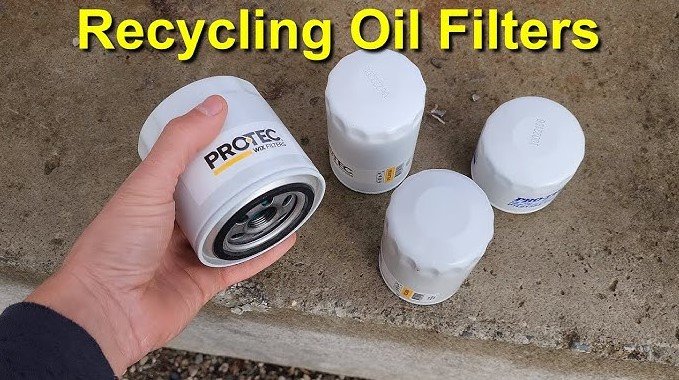
Used oil filters contain hazardous materials that can harm the environment and pollute water sources. Throwing them in the regular trash can leak oil and heavy metals into soil, creating long-term damage. Car owners and DIY mechanics need to handle these filters responsibly to protect nature and stay compliant with local regulations.
Many communities offer recycling programs that accept used oil filters, turning them into scrap metal and safely removing leftover oil. Retailers and auto shops often provide collection points for these items, making disposal convenient and eco-friendly.
Proper storage before disposal also prevents accidental spills in garages or vehicles. Learning the correct methods ensures safety for both people and the planet.
Following clear steps for collection, drainage, and recycling helps keep harmful chemicals out of landfills and waterways. Safe disposal practices make every maintenance task cleaner and more responsible.
How to Dispose of Oil Filter?
Used oil filters hold more than just old oil. They trap metal particles, dirt, and other harmful materials from your car’s engine. Throwing them in the trash can pollute soil, rivers, and groundwater.
One small oil filter can release enough oil to cover a small pond and harm plants and animals. Safe disposal of oil filters keeps the environment clean and prevents health risks.
This guide explains step by step how to handle and dispose of oil filters safely, what tools you need, and where to take them.
Why Proper Disposal is Important?
Oil filters contain harmful substances:
-
Used engine oil – contains heavy metals and chemicals that can poison soil and water.
-
Metal parts – most filters have steel or aluminum that can be recycled.
-
Other contaminants – dirt, rust, and engine debris can spread if not disposed of properly.
Throwing filters in the regular trash can lead to:
-
Pollution of local rivers and lakes.
-
Harm to plants, animals, and humans.
-
Legal penalties in some countries or cities.
Recycling oil filters reduces environmental harm and recovers valuable metal.
Steps to Dispose of Oil Filter Safely

1. Gather Your Tools
Before you start, get:
-
A container to collect drained oil
-
Gloves to protect your hands
-
Old newspapers or cloth to catch spills
-
Plastic bag or box for storage
Safety matters. Oil can irritate skin and dirty clothes.
2. Drain the Oil Filter
Draining removes most of the used oil. Follow these steps:
-
Place the filter over a container or tray.
-
Leave it to drain for at least 12 hours. Longer drainage ensures less oil stays in the filter.
-
Tap the filter lightly to remove extra oil.
This step makes recycling easier and reduces environmental risk.
3. Store the Filter Properly
After draining:
-
Place the filter in a sealed bag or box.
-
Keep it upright to avoid leaks.
-
Store it away from children, pets, and food.
Proper storage prevents accidents and contamination.
4. Find a Recycling Center
Not all trash bins accept oil filters. Many places recycle them instead. Options include:
-
Local recycling centers or waste management facilities
-
Auto parts stores with drop-off programs
-
Automotive workshops and service stations
Call ahead to confirm they accept used oil filters. Some centers may also take the leftover oil.
5. Prepare the Filter for Recycling
Most centers require filters to be drained and clean. You can:
-
Wrap the filter in an old plastic bag or newspaper
-
Label it as “Used Oil Filter” for easy identification
-
Bring it along with collected oil for proper processing
Recycling centers use high heat to remove remaining oil and then melt the steel or aluminum for reuse.
Extra Tips for Safe Handling
-
Wear gloves to avoid skin contact. Engine oil can cause irritation.
-
Never burn oil filters. This releases toxic fumes into the air.
-
Do not pour oil on the ground or in drains. It can pollute water.
-
Keep filters out of reach of children and pets. Even small amounts of oil can be harmful.
-
Track recycling programs in your city. Some offer incentives for returning used filters.
How to Dispose of Oil Filter from Car?
Car maintenance creates waste. Oil filters are one of them. They trap dirty oil and metal particles from engines. Throwing them in regular trash harms the environment.
Oil filters contain leftover oil that can pollute water and soil. Proper disposal protects nature. This guide explains safe and easy ways to dispose of used car oil filters. Simple steps. Clear instructions. Safe for everyone.
Why Proper Disposal Matters?
Protects the Environment
Used oil filters contain oil and metals. Throwing them in trash can leak oil into soil and water. This can harm plants, animals, and even humans.
Legal Requirements
Many cities and states have rules about oil filter disposal. Improper disposal may lead to fines. Following the rules keeps you safe and legal.
Steps to Dispose of Oil Filters from Car
Step 1: Drain the Oil
-
Place the filter upside down in a pan.
-
Let it drain for at least 12 hours.
-
Collect the drained oil for recycling.
Step 2: Store Safely
Place the drained filter in a plastic bag or sealed container. This prevents any leftover oil from spilling.
Step 3: Find a Recycling Center
Search for local auto shops, recycling centers, or hazardous waste facilities that accept used oil filters. Most cities have at least one facility.
Step 4: Drop Off the Filter
Take the bagged oil filter to the recycling center. Some centers accept small amounts from individuals. Others may require appointments.
FAQs
Q1: Can I throw oil filters in the trash?
No. Oil filters contain toxic oil that can pollute the environment.
Q2: How long should I drain the oil filter?
At least 12 hours. Draining overnight is even better.
Q3: Can used oil be reused?
Yes. Collect it and take it to a recycling center for proper processing.
Q4: Where can I recycle oil filters?
Auto parts stores, local recycling centers, and some garages accept used oil filters.
Q5: Why recycle oil filters instead of throwing them away?
Recycling prevents pollution, saves metal, and follows local environmental laws.
Q6: Can I crush the filter before recycling?
Do not crush it. Recycling centers handle the crushing and oil removal safely.
Conclusion
Disposing of oil filters safely protects the environment, animals, and humans. Draining, storing, and recycling used filters is simple and effective.
Collect the leftover oil, keep filters in sealed containers, and take them to certified recycling centers.
Following these steps reduces pollution, recycles metal, and follows the law. Safe oil filter disposal is a small action with a big impact.