
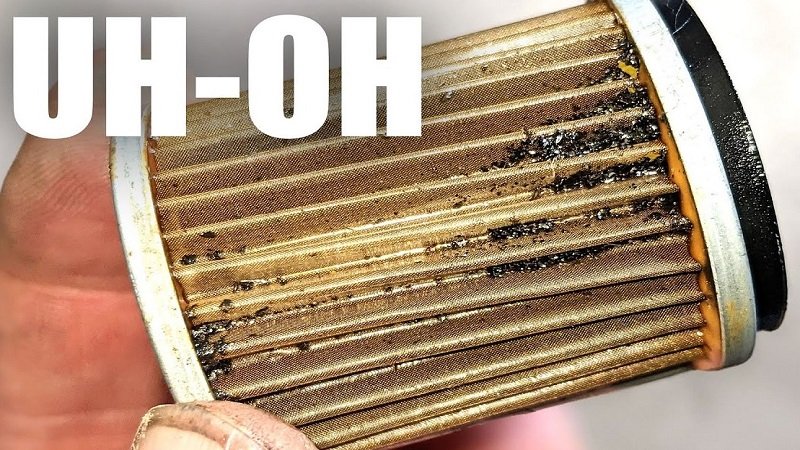
Metal particles in an oil filter often raise concern among car owners. Tiny traces can appear naturally as engine components rub together during operation. Steel, aluminum, and other metals may show up in small amounts without indicating serious issues.
Understanding what counts as normal metal content helps prevent unnecessary repairs and keeps the engine running smoothly. Not all particles mean trouble; their size, shape, and quantity play a key role in determining engine health.
Regular oil changes and filter inspections reveal patterns that distinguish normal wear from early signs of damage. Ignoring abnormal metal accumulation can lead to expensive engine repairs, while overreacting to minor traces may cause unnecessary stress and maintenance costs.
Learning to recognize the difference between harmless debris and warning signs empowers vehicle owners to maintain their engines efficiently and safely. Proper knowledge ensures better performance and longer engine life.
How Much Metal in Oil Filter is Normal?
An oil filter is a vital part of a car engine. It cleans oil by trapping dirt, carbon, and tiny metal pieces. These metal pieces naturally come from engine parts wearing over time.
Sometimes, people see metal in the oil filter and get worried. Knowing how much metal in an oil filter is normal helps avoid engine damage and expensive repairs.
Why Metal Appears in Oil Filters?
Engines are made of many metal parts that move constantly. Pistons slide in cylinders. Bearings rotate.
Gears mesh together. Even with good lubrication, tiny metal particles can wear off. Oil carries these particles to the oil filter.
Normal Metal Particles
-
Small, dark powder or tiny specks
-
Usually less than 0.5 mm in size
-
Found scattered in the filter paper
These are normal, especially in engines with more than 10,000 km or older engines. Fine metal dust is part of normal engine wear and does not indicate a problem.
Abnormal Metal Particles
-
Larger flakes, shiny chips, or wire-like pieces
-
Pieces bigger than 1 mm
-
Metal in unusual amounts or clumps
These signs often point to mechanical problems, like worn bearings, broken pistons, or gear damage. Abnormal metal can cause engine failure if not addressed quickly.
How to Inspect Metal in an Oil Filter?
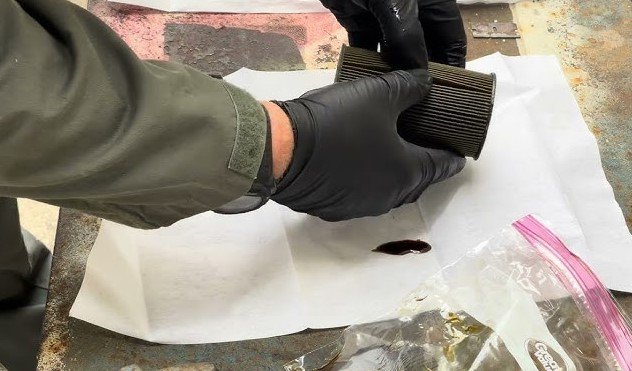
Regular inspection helps catch engine issues early.
Step 1: Remove the Oil Filter Safely
Turn off the engine and let it cool. Use a proper wrench to remove the filter. Keep a container to collect oil that may spill.
Step 2: Open the Filter
Use a cutter to carefully open the metal casing. Inside, there is filter paper that traps dirt and metal.
Step 3: Examine the Filter Paper
Look for:
-
Tiny dark specks (normal)
-
Small shiny flakes (watch closely)
-
Large pieces or wire-like particles (abnormal)
Step 4: Compare With Previous Checks
Keep a record of metal found in each oil change. A sudden increase in metal indicates faster wear or engine damage.
Step 5: Optional Magnet Test
Some mechanics use a small magnet to attract metal pieces from the oil. Fine dust may stick slightly; large flakes stick strongly and are dangerous.
How Much Metal in an Oil Filter is Normal?
Experts agree that a tiny amount of fine metal powder is normal in most engines. Some data from engine studies:
-
Normal wear produces less than 0.01 grams of metal per 1,000 km
-
Modern engines often have 2–5 tiny specks per oil filter change
-
Excessive metal (0.1 grams or more) indicates mechanical wear or damage
Rule of Thumb:
-
Tiny specks: safe
-
Shiny flakes bigger than a grain of rice: dangerous
-
Wire or large chunks: serious problem
Different engines produce different amounts of metal. Diesel engines may show more metal because they have stronger moving parts and higher pressure. Small cars often show less metal due to lighter parts and lower engine pressure.
Common Causes of Excess Metal in Oil Filters
-
Worn Bearings: Bearings support the crankshaft. Worn bearings release metal powder.
-
Piston Damage: Piston rings and cylinder walls can shed metal if damaged.
-
Gear Wear: Timing gears and camshaft gears can break tiny pieces.
-
Lack of Oil or Poor Lubrication: Oil lubricates and cools. Low oil causes friction, increasing metal wear.
-
Old Engine: Engines over 150,000 km may produce more metal naturally.
Tips to Reduce Metal in Oil Filters
-
Change oil and filter regularly, every 5,000–10,000 km depending on car and oil type.
-
Use the correct grade of oil recommended by the car manufacturer.
-
Avoid prolonged engine overheating. High temperatures accelerate metal wear.
-
Inspect engine parts if metal increases suddenly. Bearings, pistons, or gears may need repair.
-
Use clean oil and proper filter quality. Poor-quality filters let metal pass through.
Monitoring Metal in Oil: Extra Details
Some mechanics use spectrographic oil analysis to measure metal levels in oil. This method detects tiny traces of iron, copper, aluminum, and other metals. Data from these tests help predict engine problems before they become serious.
-
Iron: Comes from crankshaft, gears, or bearings
-
Aluminum: Comes from pistons or cylinder heads
-
Copper: Often from bearings or bushings
-
Lead or Tin: Older engines may release small traces from bearings
Regular checks can prevent total engine failure, saving money on repairs.
Final Thoughts
Understanding how much metal in an oil filter is normal protects your engine and extends its life. Fine, tiny metal specks are part of normal wear.
Shiny flakes, wire-like pieces, or large chunks signal trouble and need immediate attention. Regular oil changes, quality filters, and careful inspections keep your engine running smoothly and prevent costly damage.
FAQs
1. Can a few metal specks harm my engine?
Small specks usually do not harm the engine. They are normal signs of engine wear.
2. How often should I check my oil filter?
Inspect the oil filter at every oil change. Record the metal amount for comparison.
3. Which metals appear in the filter most often?
Iron, aluminum, copper, and sometimes small traces of lead or tin.
4. Does synthetic oil reduce metal wear?
Yes. Synthetic oils reduce friction and help lower metal particles in the filter.
5. What should I do if I find large metal pieces?
Stop driving and take your car to a mechanic. Large metal pieces indicate serious engine damage.
6. Can old engines produce more metal naturally?
Yes. Engines over 150,000 km or older models may show more fine metal due to normal wear.
7. Can oil analysis detect engine problems early?
Yes. Spectrographic oil analysis measures metals in oil and predicts engine wear before failure.