
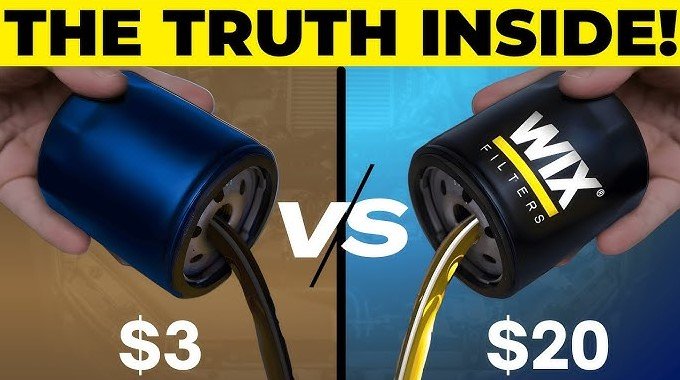
Oil filters play a crucial role in keeping engines clean and running smoothly. Dirt, metal particles, and other debris can harm engine parts, but a good oil filter traps these contaminants and extends the life of your vehicle.
Prices for oil filters vary depending on brand, quality, and type of vehicle. Some standard filters cost just a few dollars, while premium options designed for high-performance cars or extended oil change intervals can cost significantly more.
Auto shops may charge extra for installation, but many car owners prefer to replace filters themselves, saving money and gaining hands-on experience. Knowing how much an oil filter costs helps plan maintenance budgets and avoid unexpected expenses.
This guide breaks down average costs, differences between brands, and tips for finding a reliable filter without overspending, making engine care easier and more affordable for every driver.
How Much Does an Oil Filter Cost?
Car maintenance keeps engines healthy and running longer. One of the most important parts of maintenance is the oil filter. This small part plays a big role. It removes dirt, metal particles, and other impurities from engine oil.
Clean oil helps the engine parts move smoothly and prevents damage. Many drivers focus on oil changes but forget the filter. Understanding the cost of an oil filter helps you plan car maintenance and avoid extra expenses.
What Determines the Price of an Oil Filter?
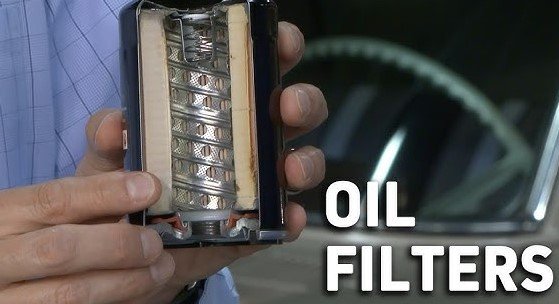
Oil filters do not all cost the same. Prices vary due to several key factors:
1. Filter Type
Oil filters come in different designs. Each type serves different cars and oil needs:
-
Conventional Oil Filters
Designed for normal cars using regular oil. Cheap and widely available. Price: $5–$15. -
High-Mileage Oil Filters
Made for older cars with worn engines. Helps reduce leaks and wear. Price: $10–$20. -
Synthetic Oil Filters
Built for cars using synthetic oil. Provides better filtration and longer life. Price: $15–$30. -
Performance or Racing Filters
Made for high-performance or racing vehicles. Often expensive, $25–$50.
2. Car Model and Engine Type
Not all cars use the same filters. Cars with small engines have smaller filters that cost less. Luxury or imported cars may need special filters. Diesel engines usually need stronger filters that are more expensive.
3. Brand and Quality
Popular brands can cost more, even if the filter works the same as a generic one. Some drivers trust name brands for consistent quality. Generic brands or store brands save money and often perform well.
4. Buying Location
-
Auto Parts Store: Easy access but slightly higher prices.
-
Online Stores: Often cheaper but may include shipping.
-
Mechanic Shop: Filters plus installation can cost more.
Installation Costs
Oil filters can be replaced at home or at a mechanic.
-
DIY Installation: Saves $20–$50 but requires basic tools like a wrench and oil pan.
-
Mechanic Installation: Adds labor cost. Shops charge $20–$50 depending on location.
DIY is safe for most cars, but some filters are hard to reach. Always follow the car manual.
How Often Should You Replace an Oil Filter?
Changing the filter regularly protects your engine. Typical schedules are:
-
Every 3,000–7,500 miles for conventional oil
-
Every 7,500–10,000 miles for synthetic oil
Older cars or heavy-duty driving may need more frequent changes. Skipping changes can reduce engine life and increase repair costs.
Signs You Need a New Oil Filter
Watch for these signs:
-
Oil looks dirty soon after a change
-
Engine runs louder than normal
-
Oil pressure warning light comes on
-
Reduced fuel efficiency or strange engine noises
Ignoring these signs may cause engine damage. Replacing the filter early saves money in the long run.
How to Save Money on Oil Filters?
-
Compare prices online and in stores.
-
Buy packs of filters if the same type is used regularly.
-
Choose generic brands with good reviews.
-
Follow your car manual to avoid buying the wrong filter.
-
DIY installation saves labor costs.
Average Oil Filter Prices
Here is a detailed breakdown:
| Filter Type | Price Range (USD) | Notes |
|---|---|---|
| Conventional | $5–$15 | Most standard cars |
| High-Mileage | $10–$20 | Older engines |
| Synthetic | $15–$30 | Works with synthetic oil |
| Performance/Racing | $25–$50 | High-performance cars |
Mechanic labor adds $20–$50 depending on location.
FAQs About Oil Filter Costs
1. Can using a cheap oil filter damage my car?
Quality matters more than price. Cheap filters can work if they meet car specifications. Avoid very low-quality brands.
2. Do diesel and gasoline engines use the same filters?
No. Diesel engines usually need stronger filters with better capacity.
3. How long does an oil filter last?
Most last for 3,000–10,000 miles depending on type and oil used.
4. Can I reuse an oil filter?
No. Oil filters are designed for single use. Reusing reduces performance.
5. What happens if I forget to change the oil filter?
Dirty filters block oil flow, reduce engine efficiency, and may cause serious engine damage.
Conclusion
Oil filters are small but essential parts of car maintenance. Prices depend on type, brand, car model, and buying location. Conventional filters start around $5, while synthetic or performance filters can reach $30–$50.
Installation adds extra cost if done at a shop. Replacing the filter regularly ensures a clean engine, better fuel efficiency, and longer car life. Planning and understanding the cost keeps maintenance simple and prevents surprises.