
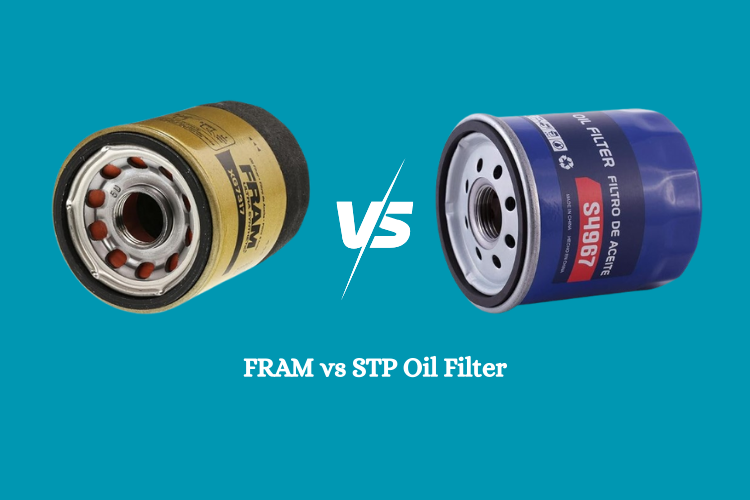
Your engine’s performance depends heavily on the quality of the oil filter. FRAM and STP stand out as two popular options trusted by drivers, but each offers different features and benefits. FRAM filters boast advanced media designed to capture tiny contaminants, helping engines run cleaner for longer periods.
STP filters focus on durability and consistent oil flow, making them a reliable choice for everyday driving. Comparing these two brands requires examining factors such as filtration efficiency, lifespan, and price.
Vehicle type and driving conditions also play a role in determining which filter performs better. A well-matched oil filter prevents wear and tear, reduces engine deposits, and can even improve fuel efficiency.
Understanding the strengths and limitations of FRAM and STP allows drivers to make informed decisions. This guide breaks down their features and performance to help maintain engine health without compromise.
FRAM Oil Filter vs STP Oil Filter
Engine oil keeps an engine running smoothly. Oil lubricates, cools, and protects moving parts. Dirt, metal fragments, and carbon particles constantly circulate in oil. Oil filters remove these impurities to prevent wear, maintain oil pressure, and extend engine life.
FRAM and STP are two widely used brands, but they have different designs, performance goals, and oil compatibility. A careful comparison helps drivers make an informed choice.
FRAM Engine Oil Filter
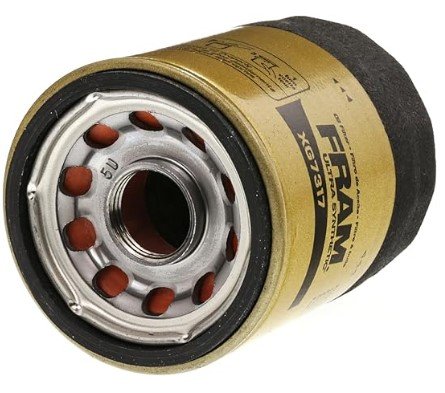
About this Product
FRAM Synthetic XG7317P is a high-performance synthetic oil filter designed for long service intervals. It fits cars and trucks using synthetic or blended oils.
Advanced synthetic media ensures maximum dirt-trapping capacity and long-term engine protection. FRAM designed the filter for drivers who want both performance and reliability over extended mileage.
This filter has a compact but strong resin housing and a silicone anti-drain back valve. The valve prevents oil from leaving the filter when the engine is off, ensuring instant oil pressure during startup. FRAM also integrates a SureGrip surface, making installation or removal cleaner and easier.
Features
-
Dual-layer synthetic media: Two layers of synthetic fibers trap dirt, carbon, and metal particles effectively. The inner layer captures finer debris while the outer layer handles larger particles.
-
High dirt-holding capacity: Capable of maintaining filtration performance for up to 20,000 miles. Dirt-holding tests show synthetic media holds more than twice the contaminants compared to standard paper filters.
-
Silicone non-drain back valve: Prevents dry starts and reduces engine wear. Silicone resists heat up to 400°F, which is 3x more than ordinary rubber valves.
-
Wide oil compatibility: Works with conventional, synthetic, or blended oils.
-
SureGrip surface: Helps users tighten or remove the filter without slipping, reducing installation errors.
What is the good?
-
Extremely high filtration efficiency, often >99% for particles larger than 20–25 microns.
-
Long service interval saves time and reduces overall maintenance cost for high-mileage drivers.
-
Handles high oil temperatures and pressure, making it suitable for heavy towing or highway driving.
-
Durable media resists collapse under high-pressure oil pumps.
-
Easy to install with the SureGrip surface.
What is the bad?
-
Higher cost per unit than standard filters, but justified for long-term use.
-
Overkill for vehicles with very short oil change intervals (under 5,000 miles).
-
Slightly larger dimensions may cause tight clearance in small engine bays.
Best For
-
Drivers who use full synthetic oils and long oil change intervals.
-
Heavy-load vehicles or those used for towing.
-
DIY enthusiasts who want clean installation and removal.
-
Engines that operate under high heat or high RPM.
STP Engine Oil Filter
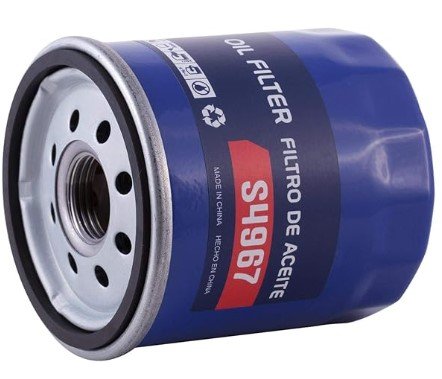
Product Details
STP S4967 is a more conventional filter designed for shorter oil change intervals, typically up to 5,000 miles. It uses paper filtration media and a metal housing. STP prioritizes reliability, affordability, and precise vehicle fit over long-term synthetic oil performance.
This filter targets drivers who change oil frequently or those using conventional or blended oil. While the filtration efficiency is lower than high-end synthetic filters, it provides adequate protection for most daily-driven vehicles.
Features
-
Paper filtration media: Efficiently traps dirt, carbon, and small metal particles within the recommended oil change interval.
-
Durable metal housing: Withstands normal engine pressure and reduces risk of deformation during installation.
-
5,000-mile service interval: Optimized for standard oil change schedules.
-
Vehicle-specific design: Part number S4967 ensures accurate fitment for compatible vehicles.
-
Thread size: Standard 3/4-16 threads for secure attachment.
What is the good?
-
Affordable and widely available.
-
Adequate filtration for normal oil change intervals.
-
Fits precisely for recommended vehicles, ensuring no leaks.
-
Lightweight and easy to install or remove.
What is the bad?
-
Not designed for long synthetic oil intervals.
-
Paper media breaks down faster in high heat.
-
Less efficient at removing fine contaminants compared to synthetic filters.
-
May require more frequent changes, increasing long-term maintenance cost.
Best For
-
Drivers who change oil frequently (every 3,000–5,000 miles).
-
Vehicles with conventional or blended oil.
-
Daily commuting with normal driving conditions.
-
Budget-conscious drivers who need reliable short-term filtration.
Detailed Comparison for FRAM vs STP Oil Filter
Comparison Table
| Feature | FRAM Synthetic XG7317P | STP S4967 |
|---|---|---|
| Filtration Media | Dual-layer synthetic | Paper |
| Dirt-holding Capacity | Very high, 20,000-mile service | Moderate, 5,000-mile service |
| Oil Type | Synthetic, blended, conventional | Conventional, blended |
| Non-drain Back Valve | Yes, silicone | No |
| Hot Oil Resistance | High, up to 400°F | Standard |
| Installation | SureGrip non-slip surface | Standard metal body |
| Vehicle Fit | Wide model range | Part-specific fit |
| Cost | Higher | Moderate |
| Ideal Use | Long drains, heavy load, high heat | Frequent oil changes, budget users |
Detailed Comparison Summary
FRAM Synthetic XG7317P provides superior long-term protection for engines using synthetic or blended oil. Its dual-layer synthetic media traps both large and fine particles, resisting collapse and maintaining consistent oil flow. The non-drain back valve improves cold start performance, which is critical for high-mileage or heavy-duty engines.
STP S4967 focuses on short-term reliability for standard driving. Paper media works well for frequent oil changes but deteriorates faster under high heat. This filter performs adequately for daily commuting and normal driving conditions but is not ideal for extended synthetic oil intervals.
FRAM excels in durability, heat resistance, and high particle capture. STP excels in affordability, easy installation, and reliability for short-term use.
FAQs
Which filter captures more dirt?
FRAM captures more particles due to dual-layer synthetic media. STP captures moderate amounts suitable for frequent oil changes.
Can STP handle synthetic oil?
It works with blended oils and some synthetic oils for short intervals but does not provide long-term protection.
Which filter lasts longer?
FRAM up to 20,000 miles. STP up to 5,000 miles.
Are both safe for daily use?
Yes. STP is fine for standard driving. FRAM is better for high-heat, heavy-load, or long-distance use.
Which is better for hot climates or towing?
FRAM handles heat and stress better due to synthetic media and silicone non-drain back valve.
Conclusion
FRAM Synthetic XG7317P and STP S4967 serve different needs. FRAM provides high-efficiency filtration, long service intervals, and superior engine protection for synthetic oil users or drivers under stress conditions.
STP S4967 offers reliable, budget-friendly performance for conventional or blended oils and frequent oil changes. Drivers should select based on oil type, mileage, driving conditions, and maintenance habits.
FRAM suits high-mileage, heavy-load, or performance vehicles. STP suits daily drivers with routine oil changes and standard engine use.