
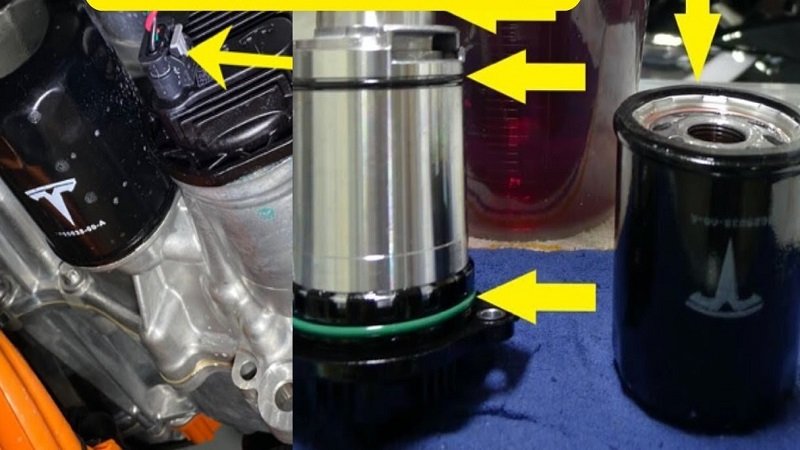
Rumors about electric cars often spark confusion, and questions about oil filters top the list. Many drivers grew up with gasoline engines that rely on motor oil to lubricate moving parts and protect critical components.
Tesla builds vehicles that run entirely on electricity, so the design skips the traditional engine most cars use. Electric motors operate with far fewer moving parts, and they do not burn fuel or require engine oil to stay cool and functional. That difference changes routine maintenance in a big way.
Tesla owners never schedule oil changes, and they never replace oil filters because the system simply does not use them. Curiosity about this topic makes sense since car maintenance habits stick for years. Clear information helps drivers understand how electric technology reshapes long-held automotive expectations.
This shift invites a fresh perspective on cost, convenience, and the future of personal transportation. Drivers notice the difference. Today.
Table of Contents
ToggleDoes Tesla Have Oil Filter?
Tesla cars do not have a traditional engine oil filter. Tesla does not use engine oil for an internal combustion engine.
A gas engine burns fuel inside metal cylinders. Pistons move up and down. Crankshafts spin. Valves open and close. Many metal parts move at high speed.
All those parts create:
-
Friction
-
Heat
-
Tiny metal particles
-
Carbon deposits
Engine oil flows around these parts. Oil reduces friction. Oil cools the engine. Oil also traps dirt and metal dust. The oil filter cleans the oil before it flows again.
Tesla cars do not have this type of engine. No fuel burning. No pistons. No crankshaft. So no engine oil system exists. That means no engine oil filter.
How a Gas Engine Oil System Works?
Understanding gas engines helps explain the difference.
A typical gasoline engine runs at:
-
600 to 1,000 RPM at idle
-
2,000 to 4,000 RPM during city driving
-
Up to 6,000 RPM or more at high speed
Thousands of explosions happen every minute inside the engine. Fuel mixes with air. Spark plugs ignite it. Explosion pushes the piston down.
This constant explosion creates:
-
Extreme heat
-
Carbon buildup
-
Metal wear
Engine oil moves through oil channels. An oil pump pushes oil through the filter. The oil filter removes:
-
Dirt
-
Metal shavings
-
Carbon particles
Most oil filters need replacement every 5,000 to 10,000 kilometers.
Tesla removes this entire system.
How Tesla Electric Motor Works?
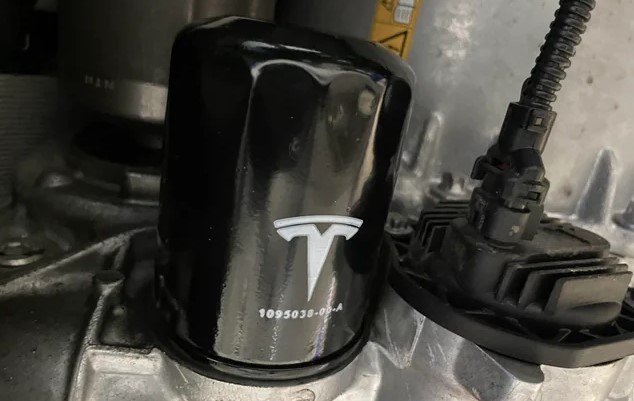
Tesla uses electric motors instead of combustion engines.
An electric motor works through:
-
Magnetic fields
-
Copper windings
-
Electrical current
Electric motors have far fewer moving parts. A simple motor mainly has:
-
Rotor
-
Stator
-
Bearings
No fuel burns inside. No explosion happens. No carbon forms.
Friction level stays much lower than in gas engines. That reduces heat and wear.
Because of this design:
-
No engine oil circulates
-
No oil pump exists
-
No oil filter exists
Electric motors operate at high efficiency. Many electric motors reach efficiency rates above 90 percent. Gas engines often operate between 20 to 30 percent efficiency.
Less waste heat. Less mechanical stress. Less need for oil systems.
Does Tesla Use Any Lubrication?
Tesla still uses lubrication in limited areas. But not like engine oil systems.
Gearbox Lubricant
Most Tesla models use a single-speed reduction gearbox. This gearbox reduces motor speed and transfers torque to the wheels.
Electric motors can spin very fast. Some Tesla motors spin above 15,000 RPM. The gearbox reduces that speed to a usable level for driving.
The gearbox contains lubricant. This lubricant reduces wear between gears.
This system:
-
Uses sealed lubricant
-
Does not require frequent replacement
-
Does not use a replaceable oil filter
Many Tesla gearboxes are designed for long-term use without regular service.
Battery Cooling System
Battery health matters in electric vehicles. Tesla battery packs operate at high voltage, often around 350 to 400 volts depending on model.
Batteries produce heat during:
-
Fast charging
-
Hard acceleration
-
Long highway driving
Tesla uses liquid coolant to control temperature.
Coolant flows through cooling channels inside the battery pack and motor system. A pump moves coolant through the system.
Coolant protects:
-
Battery cells
-
Power electronics
-
Electric motor
Coolant does not act like engine oil. Coolant removes heat. It does not lubricate moving metal parts.
Tesla recommends coolant inspection but not frequent changes like engine oil.
Brake Fluid and Regenerative Braking
Tesla vehicles use brake fluid like all cars. Brake fluid transfers pressure from the brake pedal to the brake calipers.
Regenerative braking reduces wear on brake pads. Electric motors slow the car and send energy back to the battery.
Many Tesla owners report brake pads lasting much longer than in gas vehicles. Some drivers drive over 100,000 kilometers before brake replacement. Still, brake fluid needs inspection every few years.
Maintenance Comparison: Tesla vs Gas Car
Gas Car Maintenance Includes:
-
Engine oil change
-
Oil filter replacement
-
Air filter replacement
-
Spark plug replacement
-
Fuel system service
-
Transmission fluid service
Tesla Maintenance Includes:
-
Tire rotation
-
Cabin air filter replacement
-
Brake inspection
-
Coolant inspection
-
Software updates
Tesla removes many mechanical parts. Fewer parts mean fewer service needs.
Long-Term Cost Difference
Oil change cost varies by country. In many regions, oil and filter service costs money every few months.
For example:
-
Oil change every 8,000 km
-
15,000 km per year average driving
-
Two oil changes per year
Over five years, that equals about ten oil changes. Tesla eliminates this cost completely. No oil filter purchase. No engine oil purchase. No oil disposal.
Environmental benefit also exists. Used engine oil can harm soil and water if not handled properly. Electric vehicles reduce waste oil.
Common Confusion About Tesla Oil
Some people think electric cars still need engine oil inside the motor. That idea is incorrect. Electric motors do not use oil like combustion engines. They rely on bearings and sealed lubrication in small areas.
Tesla does not include a traditional oil filter in any standard electric model. Tesla Model S, Model 3, Model X, and Model Y follow this design.
What About Tesla Hybrid Models?
Tesla does not produce hybrid cars. Tesla builds only fully electric vehicles. Hybrid cars from other brands still have gasoline engines. Those engines need oil filters. Tesla avoids that system entirely.
Technical Design Advantage
Electric vehicle design removes:
-
Combustion chamber
-
Oil pan
-
Oil pump
-
Oil filter housing
-
Oil pressure system
Less mechanical complexity reduces failure points.
Simple design supports:
-
Lower maintenance
-
Lower service time
-
Fewer fluid changes
This design helps electric vehicles operate with fewer regular service tasks.
FAQs
Does Tesla have oil filter?
Tesla does not have a traditional engine oil filter because it does not use an internal combustion engine.
Does Tesla need engine oil?
Tesla electric vehicles do not need engine oil.
Does Tesla use transmission oil filter?
Tesla uses a simple gearbox with sealed lubricant. It does not use a typical replaceable transmission oil filter.
Why gas cars require oil filter?
Gas engines burn fuel. Combustion creates heat and dirt. Oil lubricates parts. Oil filter cleans dirty oil.
Is Tesla maintenance cheaper?
Tesla removes oil changes and oil filter replacements. That lowers long-term maintenance cost compared to many gas cars.
Conclusion
Does Tesla have oil filter? Tesla electric vehicles do not include a traditional engine oil filter. Electric motors replace combustion engines. No engine oil flows through the system. No oil filter cleans engine oil.
Tesla still uses coolant, brake fluid, and gearbox lubricant. These systems require inspection but not frequent oil filter service.
Electric design changes car maintenance. Fewer moving parts. No combustion. No engine oil system. That explains why Tesla does not need an oil filter.