
Oil flows through an engine every second, carrying heat, dirt, and metal particles along the way. An oil filter stands between that dirty oil and critical engine parts. Many drivers focus on oil type and change intervals, yet this small component often gets ignored.
A weak filter lets contaminants slip through and grind away at bearings, pistons, and camshafts. A strong filter traps debris, keeps oil clean, and supports steady oil pressure. Engine noise, fuel efficiency, and long-term reliability all connect to filter quality.
Cheap filters may save a few dollars today, but engine repairs cost far more tomorrow. Material strength, filter media, and valve design all play a role in performance. Oil change habits also affect how well a filter performs over time.
Understanding this part helps drivers make smarter maintenance choices and avoid hidden damage. A simple upgrade in filtration can extend engine life and keep every drive smooth and stress free.
Does Oil Filter Matter?
Engine health depends on clean oil. Oil filter keeps oil clean. Many drivers ignore its importance. Dirt, metal shavings, and soot travel in oil. Oil filter stops them.
Engine parts stay smooth. Engine life increases. Fuel efficiency improves. Noise decreases. The simple answer to the question “Does oil filter matter?” is yes. Oil filter matters a lot.
Why Oil Filter Matters?
Engine oil does more than lubricate. It also cleans, cools, and protects engine parts. Dirt and metal particles form naturally. Oil filter traps these particles.
Without a good filter, these particles move freely. They scratch pistons, bearings, and valves. Wear increases. Engine may overheat. Fuel efficiency drops. Repair costs rise.
Studies show that engines with clean oil and effective filters last 30% longer than engines with dirty oil or poor filters. Cars with high-mileage engines produce more metal particles. Strong filters become even more important for old engines.
How Oil Filter Works?
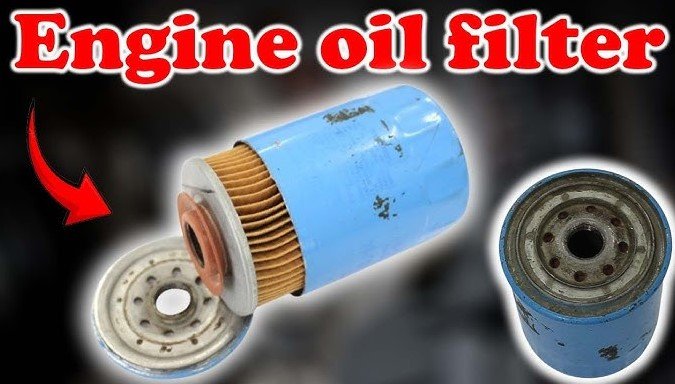
Oil filter has three main parts:
-
Filter media – This material traps dirt and metal bits.
-
Metal canister – Protects filter from pressure.
-
Rubber seal – Stops oil leaks.
Oil pump pushes oil through the filter. Dirt sticks to the filter media. Clean oil returns to the engine. Some filters have a bypass valve. This allows oil to flow if the filter clogs. Without a bypass, oil starvation may occur.
A good filter can trap particles as small as 20-30 microns. For reference, a human hair is about 70 microns. That shows how tiny particles oil filters remove.
Types of Oil Filters
Spin-On Oil Filters
-
Most common type.
-
Comes as a full unit.
-
Easy to install.
-
Easy to remove.
-
Works well for most cars.
Cartridge Oil Filters
-
Only the inner filter element changes.
-
Housing stays on the engine.
-
Reduces waste.
-
Needs careful installation.
Magnetic Oil Filters
-
Use magnets to catch metal particles.
-
Works with regular filter.
-
Popular for heavy-duty and high-performance engines.
Oil Filter Quality and Engine Life
Quality matters more than brand name.
-
High-quality filter media traps smaller particles.
-
Strong metal casing resists pressure.
-
Proper rubber seal prevents leaks.
Cheap filters fail under pressure. Metal particles pass through. Engine parts wear faster. Oil flow drops. Engines overheat.
Research shows that poor-quality filters can increase engine wear by 25-30% over 50,000 miles.
Oil Filter and Oil Change Interval
Oil filter cannot clean forever. Dirt fills the filter media. Old filter loses efficiency. Changing oil without changing the filter is a waste. Dirty oil flows back into engine. Clean oil loses its quality.
Most experts recommend changing the oil filter every oil change. Common intervals:
-
Standard cars: 5,000 – 7,500 miles
-
Diesel engines: 3,000 – 5,000 miles
-
Heavy-duty vehicles: 2,500 – 4,000 miles
Following these intervals reduces engine wear and keeps oil clean longer.
Signs of a Bad Oil Filter
Oil filter shows its condition through warning signs:
-
Low oil pressure warning light
-
Strange engine noises
-
Oil turns black quickly
-
Oil leaks near filter
-
Engine runs rough
Ignoring these signs may cause engine failure.
Oil Filter vs Oil Type
Good oil protects engine. Strong filter cleans oil. Both matter. Poor filter reduces oil quality. Cheap oil reduces filter efficiency. High-quality oil plus quality filter gives best engine protection.
Data shows engines with quality oil and filter have 15-20% lower friction losses. This improves fuel efficiency and reduces engine heat.
Oil Filter and Driving Conditions
Driving style affects filter life:
-
City driving: Frequent stops produce more soot and sludge. Filter works harder.
-
Highway driving: Engine runs smoother. Filter collects less dirt.
Short trips create condensation in oil. Sludge forms faster. Filters clog sooner in city driving.
Old Engines and Oil Filters
Older engines shed more metal particles. Wear increases dirt in oil. High-quality oil filters extend life of old engines. Weak filters let dirt pass. Engine failure risk rises.
High-mileage engines benefit from filters with stronger media and bypass valves. These filters handle more pressure and trap more particles.
Common Myths About Oil Filters
Cheap Filters Work the Same
Cheap filters often collapse under pressure. Media is weak. Dirt passes through. Engine wears faster.
Oil Filter Only Matters During Oil Change
Oil filter works every second engine runs. It protects moving parts continuously.
One Filter Fits All Cars
Engines differ in size and oil pressure. Correct size and design matter. Using the wrong filter reduces protection.
FAQs
Does oil filter really matter for engine life?
Yes. Filter traps dirt and metal. Clean oil protects engine and extends life.
Can I skip oil filter change once?
Skipping filter change sends dirty oil back. Engine parts wear faster.
Does expensive filter mean better?
Not always. Build quality, filter media, and engine fit matter more than price.
What happens if oil filter fails?
Oil pressure drops. Dirty oil circulates. Engine parts wear fast.
Does oil filter affect fuel efficiency?
Yes. Clean oil reduces friction. Engine runs smoother. Fuel efficiency improves slightly.
Conclusion
Oil filter is one of the most important engine parts. Clean oil keeps engine running smoothly. Dirty oil damages engine parts, reduces fuel efficiency, and increases repair costs.
Strong filter traps tiny particles and handles heat and pressure. Change oil and filter together regularly. Old or high-mileage engines need strong filters. City drivers need more attention. Simple filter. Big impact.