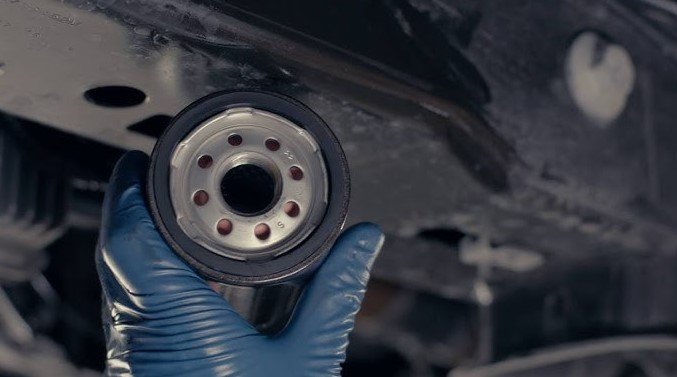
Oil changes keep engines healthy, but the oil filter often sparks confusion. Many drivers replace oil on schedule yet question the need for a fresh filter every time. This small part plays a big role in engine protection.
The oil filter traps dirt, metal particles, and sludge that circulate through the engine during daily driving. Old filters hold debris that can restrict oil flow and reduce lubrication quality. Poor oil flow increases heat, friction, and wear on vital engine parts.
Fresh oil also loses value when it flows through a dirty filter. Skipping a filter change may save a few dollars today, but engine repairs cost far more tomorrow. Driving habits, oil type, and service intervals all affect filter performance. Clear facts help drivers make smart maintenance choices.
This guide breaks down how oil filters work, why replacement matters, and what happens inside the engine after every oil change. Smart care leads to longer engine life and smoother performance on every drive.
Do I Need to Change My Oil Filter Every Time?
Oil changes protect an engine every day. Many drivers still feel unsure about one thing. Do oil filters need replacement every time? Confusion grows due to mixed advice from friends, shops, and online posts.
Some people try to save money by skipping the filter. That choice sounds small. That choice carries risk. Clear facts help drivers decide better. This article explains everything in simple words. Short lines. Easy flow. Deep detail. No sales talk.
Role of the Oil Filter Inside the Engine
Engines create heat and friction. Metal parts rub together thousands of times per minute. Tiny metal particles break off during normal use. Dust enters through air intake systems. Sludge forms as oil ages. Oil alone cannot clean this mess.
Oil filters trap harmful particles. Clean oil then flows back to engine parts. Bearings, pistons, camshafts, and valves depend on this clean flow. A clogged filter allows dirty oil to circulate. Dirty oil increases friction. Friction increases heat. Heat causes wear.
How Oil Filters Collect Dirt Over Time?
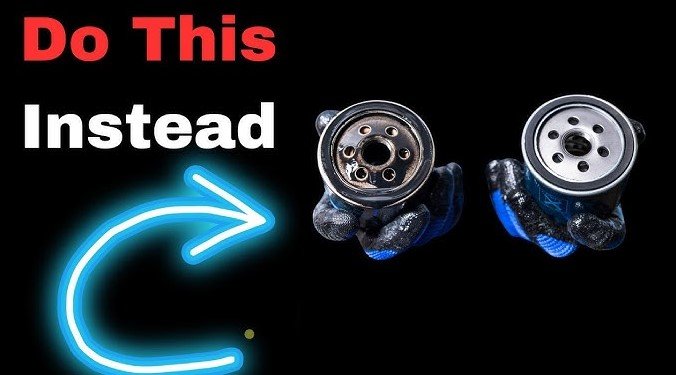
Oil filters use paper or fiber media. This media catches dirt as oil passes through. Each mile adds more debris. Filter pores slowly fill up. Flow resistance rises. Pressure drops.
Modern filters include a bypass valve. This valve opens when the filter clogs. Oil then bypasses the filter. Unfiltered oil flows into the engine. Protection drops sharply at this stage.
Oil Breakdown vs Filter Saturation
Oil and filters age at different speeds.
Oil loses additives due to heat. Oil oxidizes over time. Oil thickens or thins. Contaminants build up.
Filters saturate faster in many cases. Stop-and-go driving adds stress. Short trips prevent oil from reaching full temperature. Moisture stays trapped. Sludge forms faster. Filters catch this sludge and clog earlier.
Data from maintenance studies shows filters often reach capacity before oil fully breaks down during city driving.
Mileage and Driving Style Impact
Driving style plays a major role.
City Driving
Frequent stops increase engine load. Short trips increase moisture buildup. Filters clog faster under these conditions.
Highway Driving
Steady speeds allow cleaner combustion. Oil stays cleaner longer. Filters still collect debris but at a slower rate.
Dusty or Hot Environments
Dust increases particle load. Heat speeds oil breakdown. Filters clog sooner in these conditions.
Cost Comparison: Filter vs Engine Damage
Oil filters cost a small amount. Engine repairs cost much more.
Basic cost comparison data:
-
Oil filter cost: low
-
Oil pump repair: high
-
Engine rebuild: very high
-
Complete engine replacement: extreme
Skipping filter changes saves little money. Risk increases greatly.
Oil Pressure and Filter Condition
Oil pressure depends on free flow. A clogged filter restricts flow. Pressure sensors detect drops. Warning lights may turn on.
Low pressure starves engine parts. Bearings suffer first. Camshafts wear next. Damage spreads fast once pressure drops.
Synthetic Oil and Filter Myths
Synthetic oil resists heat better. Synthetic oil lasts longer. Dirt still enters oil. Filters still trap particles.
Studies show synthetic oil carries contaminants longer without breaking down. That fact places more load on the filter media. Filter replacement stays critical even with long-life oil.
Extended Oil Change Intervals and Reality
Some oils claim 10,000 to 15,000 miles. Filters may claim similar life. Real-world conditions differ from lab tests.
Independent tests show filters lose efficiency as debris loads increase. Efficiency drops even before total clogging. Partial clogging still harms oil flow quality.
High Mileage Engines and Filter Needs
Older engines produce more debris. Worn seals leak combustion gases into oil. Sludge forms faster.
Filters in high mileage engines fill faster than new engines. Skipping filter changes causes faster wear in older vehicles.
Oil Filter Construction Quality
Filter quality affects performance.
Key parts include:
-
Filter media thickness
-
Pleat count
-
End cap material
-
Bypass valve reliability
-
Anti-drainback valve strength
Low-quality filters may collapse under pressure. Collapse allows dirty oil to flow freely.
Engine Manufacturer Guidelines
Vehicle makers design engines with specific oil flow rates. Manuals recommend filter replacement with each oil change. Warranty terms often follow this schedule. Ignoring this guidance increases risk.
Signs of Filter Stress and Failure
Drivers may notice:
-
Engine noise increase
-
Oil pressure warning lights
-
Dark oil soon after change
-
Reduced fuel efficiency
These signs show reduced filtration efficiency.
FAQs
Does changing the filter every time really matter?
Yes. Filters hold dirt that harms engines. New oil deserves a clean path.
Can one skipped filter change cause damage?
Damage may not appear right away. Wear increases slowly. Long-term damage builds.
Are long-life filters safe for two oil changes?
Some filters claim long life. Real driving shortens actual performance. Safety drops as debris builds.
Does filter brand matter?
Quality matters more than brand. Strong media and valves protect better.
Conclusion
Oil filters protect engines every second. Dirt builds up faster than many drivers expect. Fresh oil cannot clean old debris. Clean filters support proper oil flow and pressure.
Skipping filter changes saves little money and adds high risk. Replacing the oil filter every oil change remains the safest and smartest choice for long engine life.