
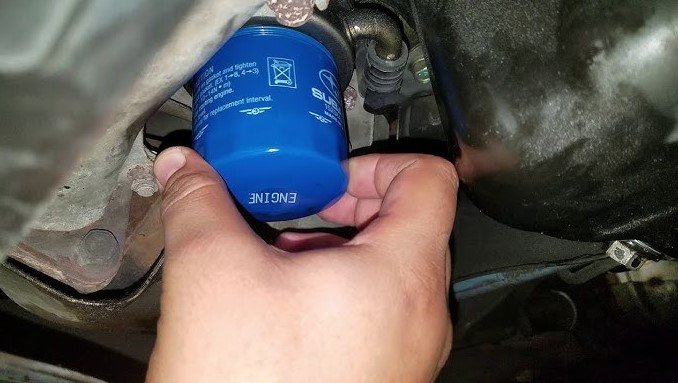
A simple oil change can save money and protect your engine, but one small mistake can cause leaks or damage. Many car owners ask, can you hand tighten an oil filter, or do you need a wrench for a secure fit?
This question matters because too much force can crush the gasket, while too little pressure can cause oil to drip. Car makers design most spin-on oil filters to seal with hand pressure alone.
The rubber gasket grips the engine block and forms a tight seal once you turn the filter the recommended amount. Clear guidance helps you avoid stripped threads and messy cleanups.
This guide explains how tight an oil filter should feel, why over-tightening creates problems, and how to install it the right way. You will learn practical tips that keep your engine safe and leak-free.
Can You Hand Tighten an Oil Filter?
Car owners often ask this question during an oil change. Can you hand tighten an oil filter? The simple answer is yes. Most modern oil filters need only hand pressure for correct installation.
Many people think tighter is better. That idea can cause trouble. Oil filters seal with a rubber gasket, not with brute force. The gasket creates the seal. Your hand gives enough pressure to compress it.
A poor seal can cause oil leaks. Oil leaks can lower oil pressure. Low oil pressure can damage engine parts. Pistons, bearings, and camshafts depend on clean oil flow.
This guide explains everything in clear and simple steps. You will learn how oil filters seal, how tight they should be, common mistakes, torque details, and safety checks after installation.
How an Oil Filter Seals the Engine?
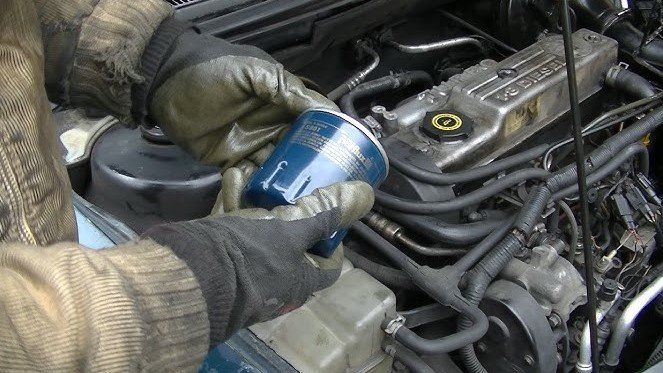
An oil filter has four main parts:
-
Metal outer shell
-
Threaded base plate
-
Rubber gasket (O-ring style seal)
-
Filter media inside
The rubber gasket does the real sealing work. When you screw the filter onto the engine, the gasket touches the mounting surface. After contact, extra turning compresses the rubber.
Rubber compresses about 20% to 30% under correct pressure. That compression creates a tight oil seal. Engine oil pressure usually ranges between 20 to 80 PSI in normal driving.
The compressed gasket easily handles that pressure when installed correctly. Too much compression damages the gasket. Too little compression allows leaks.
Can You Hand Tighten an Oil Filter?
Yes. Manufacturers design most spin-on oil filters for hand installation.
Standard instructions say:
-
Screw the filter on until the gasket touches the engine base.
-
Turn it ¾ turn more by hand.
Some filters require one full turn. Always check the printed instructions on the filter body or box.
Your hand usually applies 12 to 16 foot-pounds of torque. That range fits most passenger vehicle oil filters. Many manufacturers list recommended torque between 12 and 18 ft-lbs. Hand tightening falls within that range.
So yes, hand tightening works because it provides the correct torque for sealing.
Step-by-Step Installation With Extra Detail
Step 1: Drain the Oil
Drain the old oil completely. Remove the drain plug. Let oil flow out fully. Warm oil drains faster and carries more dirt out.
Replace and tighten the drain plug to the correct torque. Most drain plugs require 20 to 30 ft-lbs, but check your vehicle manual.
Step 2: Remove the Old Filter
Use a filter wrench only if needed. Turn counterclockwise. Oil will spill, so keep a drain pan under it.
After removal, check the mounting surface carefully. Make sure the old gasket did not stick to the engine. A stuck gasket causes a double seal. Double seals often leak within minutes after startup. Clean the surface with a clean rag.
Step 3: Prepare the New Filter
Fill the new filter with fresh oil if the filter mounts vertically. This step reduces dry start time. Some engines mount filters sideways. In that case, skip pre-filling to avoid spills.
Apply fresh engine oil to the rubber gasket. Use your finger. Spread a thin, even layer. This lubrication reduces friction. It allows smooth compression. It also prevents gasket twisting.
Step 4: Thread the Filter by Hand
Place the filter on the mount. Turn clockwise gently. Threads should move smoothly. Stop immediately if you feel resistance. Cross-threading can damage the mount permanently. Turn until the gasket touches the mounting surface.
Step 5: Tighten Properly
After gasket contact, turn the filter ¾ of a turn more. Use steady pressure. No jerking. No sudden force.
Mark the filter with a pen before turning. This mark helps you see how far you rotate it. Stop after the correct turn. Do not guess. Do not overdo it.
Why Over Tightening Causes Problems?
Over tightening may:
-
Crush the gasket
-
Warp the metal base plate
-
Strip engine mount threads
-
Make removal extremely difficult
Heat increases the problem. Engines reach temperatures above 200°F (93°C). Metal expands when hot. An over-tightened filter becomes even tighter after heat cycles.
Many people struggle to remove filters that were over tightened. Some even damage the filter housing during removal. Hand tightening prevents this issue.
Why Under Tightening Causes Leaks?
Under tightening creates weak gasket compression.
Oil pressure pushes against the seal constantly. Cold starts increase pressure. Thick cold oil can push pressure toward the higher range.
A loose filter may:
-
Drip slowly
-
Spray oil under pressure
-
Trigger low oil pressure warning
Oil loss during driving can destroy an engine in minutes. Correct hand tightening prevents leaks without causing damage.
Torque Specifications Explained
Some mechanics prefer torque wrenches. That approach works, but most car owners do not need one for oil filters.
Typical torque values:
-
Small filters: 12–14 ft-lbs
-
Medium filters: 14–16 ft-lbs
-
Larger filters: up to 18 ft-lbs
Average adult hand strength usually falls inside this range. That is why manufacturers recommend hand tightening.
Commercial diesel filters may require different torque. Heavy-duty engines may need tool tightening. Passenger cars rarely need that.
Special Situations
Tight Engine Space
Some vehicles place the filter deep inside the engine bay. Grip may feel limited. In this case, tighten by hand as much as possible. Use a wrench gently only for a small extra turn.
Cartridge Style Filters
Some modern engines use cartridge filters inside a housing. These require torque wrenches because the housing cap has specific torque values, often between 18 and 25 ft-lbs. Spin-on filters remain the most common type. These usually need only hand tightening.
Final Inspection After Installation
Start the engine. Let it idle for 2 to 3 minutes. Watch the oil pressure light. It should turn off within seconds.
Turn off the engine. Inspect around the filter. Look for drips or wet spots.
Wait five minutes. Check oil level again. Add oil if needed. A dry, clean filter area means correct installation.
FAQs
Is hand tightening strong enough for highway driving?
Yes. Proper hand tightening seals the gasket securely. Highway speeds do not change oil filter security.
Can temperature changes loosen the filter?
No. Proper gasket compression keeps the seal tight even after many heat cycles.
Should I re-tighten the filter later?
No. Do not re-tighten after installation unless you see a leak.
Why do some filters feel harder to tighten?
Larger diameter filters require more grip. Oiled gaskets also feel smoother during rotation.
Can I use a wrench to install every time?
You can, but use caution. Excess torque often causes future removal problems.
Conclusion
Hand tightening an oil filter works for most vehicles. The rubber gasket creates the seal, not extreme force. A ¾ turn after gasket contact usually provides correct compression and safe torque.
Over tightening creates damage. Under tightening causes leaks. Proper hand pressure keeps the engine safe and makes future oil changes easier.