
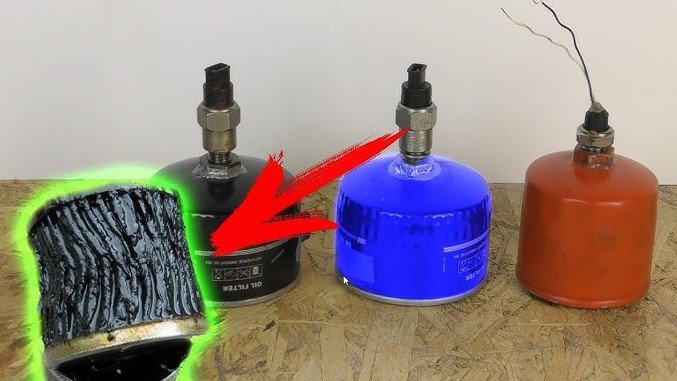
An oil filter plays a crucial role in keeping a car’s engine clean and running smoothly. Dirt, metal particles, and other debris can damage engine components if oil filtration fails. Many drivers wonder about the lifespan of an oil filter and how often it should be replaced.
Oil filters don’t wear out at the same rate in every vehicle. Driving habits, oil type, and road conditions directly affect their performance. Short trips, heavy traffic, and dusty environments can reduce an oil filter’s efficiency, while regular highway driving may allow it to last longer.
Manufacturers often recommend changing the oil filter with every oil change, but some high-performance filters claim extended life spans.
Paying attention to oil color, engine performance, and unusual noises can provide clues about filter condition. Understanding the factors that influence oil filter life helps prevent costly engine repairs and keeps your vehicle running at its best.
How Long Does an Oil Filter Last?
An oil filter protects your car engine from harmful dirt and debris. Engine oil carries tiny metal particles, dust, and carbon from the engine. The filter traps these impurities, keeping oil clean and the engine running smoothly.
Neglecting the oil filter can lead to poor engine performance, overheating, and serious damage. Knowing how long an oil filter lasts helps you plan maintenance and avoid costly repairs.
This guide explains filter lifespan, factors that affect it, signs of a worn-out filter, and practical tips for keeping your engine healthy.
How Oil Filters Work?
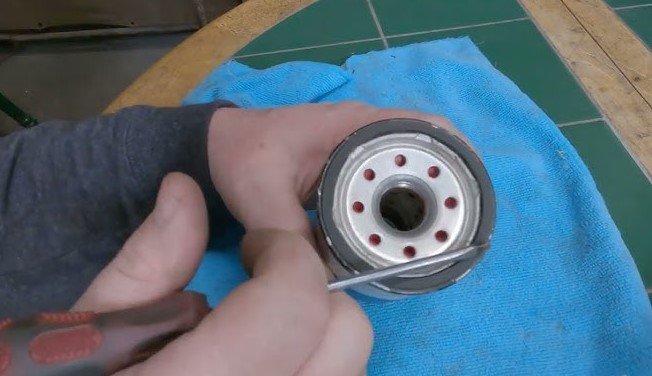
Oil filters act like a sieve for your engine oil. Dirty oil enters the filter, where a special paper or synthetic mesh captures dirt and particles. Clean oil then circulates back to the engine.
Most oil filters have three main parts:
-
Filter Media – The layer that traps dirt and debris.
-
Center Tube – Supports the filter and allows clean oil to flow through.
-
Bypass Valve – Opens if the filter clogs, letting oil flow to prevent engine starvation.
A filter does not last forever. Over time, dirt fills the media, reducing its ability to clean oil. At this stage, the engine may run on partially clean oil, which increases wear on internal parts.
How Long an Oil Filter Lasts?
Standard Replacement Range
-
Conventional oil filters: 3,000–5,000 miles.
-
High-performance filters: 5,000–7,500 miles.
-
Synthetic oil filters: Up to 10,000 miles.
Always check your car’s manual. Some newer cars and synthetic oils allow longer intervals, but extreme driving conditions can reduce filter life.
Factors That Affect Oil Filter Life
-
Driving Style – Frequent stop-and-go driving wears out oil and the filter faster. Highway driving is easier on filters.
-
Engine Condition – Older engines produce more sludge and require frequent filter changes.
-
Oil Type – Synthetic oil keeps engines cleaner, helping filters last longer.
-
Environment – Dusty roads, dirt tracks, or hot weather shorten filter life.
Real-Life Example
A person driving 12,000 miles per year on highways may change filters only once a year using synthetic oil. Meanwhile, a driver in a dusty city with stop-and-go traffic may need to replace filters every 3–4 months.
Signs an Oil Filter Needs Replacement
1. Low Engine Performance
A clogged filter reduces oil flow. The engine may feel sluggish, take longer to accelerate, or produce unusual noises.
2. Dark or Dirty Oil
Check the oil using the dipstick. Oil that looks very dark, thick, or gritty may mean the filter is no longer cleaning it effectively.
3. Oil Pressure Warning Light
Modern cars have oil pressure sensors. A clogged filter can trigger warning lights, indicating reduced oil flow.
4. Overheating Engine
Oil lubricates and cools the engine. A clogged filter reduces oil flow, causing heat buildup. This can damage pistons, bearings, and other parts.
Tips for Maintaining Your Oil Filter
-
Always replace the oil filter with each oil change. This keeps the engine healthy and ensures new oil stays clean.
-
Use filters recommended by your car manufacturer. A wrong filter can leak or reduce oil pressure.
-
Avoid extending oil or filter intervals beyond manufacturer limits. This may seem safe, but it risks engine damage.
-
Inspect filters during service. Even a new-looking filter may have defects.
Extra Information: Types of Oil Filters
-
Cartridge Filter – Common in newer cars; easy to replace.
-
Spin-On Filter – Most popular; screws onto the engine.
-
High-Performance Filter – Designed for racing or heavy-duty vehicles; has stronger media to trap more dirt.
Choosing the correct type helps your engine last longer.
Advanced Tips for Longer Filter Life
-
Use clean, high-quality oil with the filter. Dirty or low-grade oil clogs filters faster.
-
Avoid short, frequent trips where the engine does not reach full temperature. Cold oil carries more moisture and sludge.
-
Monitor oil and filter performance if driving in extreme conditions like hot deserts or dusty roads.
FAQs
1. Can I drive with a clogged oil filter?
Yes, but only for a short distance. Driving longer can cause engine damage due to poor oil flow.
2. How do I know when to replace the oil filter?
Check the oil color, engine performance, and follow the manufacturer’s mileage recommendation.
3. Does synthetic oil make the filter last longer?
Yes, it keeps oil cleaner and reduces dirt buildup in the filter.
4. Can a wrong filter damage the engine?
Yes, wrong filters may leak, block oil flow, or fail to trap dirt effectively.
5. Is it okay to extend filter life beyond the recommended miles?
Avoid it. Extending filter life can increase engine wear and reduce efficiency.
Conclusion
Oil filters protect engines from dirt, metal, and sludge. Their lifespan varies between 3,000 and 10,000 miles depending on oil type, driving conditions, and engine age. Regular inspections, timely replacement, and using the right filter ensure smooth engine performance.
Understanding how long an oil filter lasts helps maintain engine health, reduce repairs, and save money. Proper oil and filter care is a small effort with big rewards for your car’s life.