

Maintaining a vehicle’s engine health depends heavily on using the correct oil and filter. Using the wrong type can lead to decreased performance, increased wear, and costly repairs. Every car model has specific requirements for oil viscosity, additives, and filter design.
Engine manuals provide guidance, but manufacturers often update recommendations based on driving conditions and engine improvements. Modern vehicles sometimes require synthetic oils, while older engines may perform better with conventional blends.
Filters also vary, with differences in material, flow rate, and capacity that directly affect how well the engine stays clean. Understanding your car’s make, model, and driving habits makes it easier to pick the perfect combination.
The right oil and filter work together to keep engines running smoothly, protect against wear, and maximize efficiency. Knowing these details saves money, prevents breakdowns, and ensures reliable performance over time.
What Oil and Filter Do I Need?
Engine oil and filters are the lifeblood of a car. Oil lubricates engine parts, reduces friction, and prevents overheating. Filters remove dirt, metal particles, and sludge that damage engine components.
Using the wrong oil or filter leads to engine wear, reduced fuel efficiency, and costly repairs. Car age, engine type, mileage, and climate affect which oil and filter work best. Older engines may need conventional oil, while modern engines often require synthetic oil.
Understanding oil types, viscosity, filter types, and maintenance schedules ensures long engine life and smooth performance. This guide explains everything step by step in simple language for easy understanding.
Understanding Engine Oil
Types of Engine Oil
-
Conventional Oil
-
Made from crude oil with basic refining.
-
Affordable and widely available.
-
Best for older cars or low-stress engines.
-
Needs frequent changes: every 3,000–5,000 miles.
-
Synthetic Oil
-
Made in a lab with uniform molecules.
-
Resists heat, cold, and oxidation.
-
Lasts longer, usually 7,500–10,000 miles per change.
-
Ideal for new cars, turbocharged engines, or extreme temperatures.
-
Synthetic Blend Oil
-
Mix of synthetic and conventional oils.
-
More protection than conventional oil but less expensive than full synthetic.
-
Good for cars under moderate stress or mixed driving conditions.
-
High-Mileage Oil
-
Contains seal conditioners to prevent leaks.
-
Reduces engine wear in cars with more than 75,000 miles.
-
Helps reduce smoke and oil burning in older engines.
-
Diesel Engine Oil
-
Diesel engines need stronger oil due to higher heat and pressure.
-
Contains detergents and additives to prevent soot buildup.
Understanding Oil Viscosity
Viscosity is how thick or thin oil is. Oil labels like 5W-30 or 10W-40 indicate viscosity.
-
First Number (5W, 10W): Cold temperature performance. Lower numbers flow easily in winter.
-
Second Number (30, 40): High-temperature performance. Higher numbers stay thicker in hot engines.
Examples:
-
0W-20: Thin oil for new engines, flows fast in cold weather.
-
10W-40: Thicker oil for older engines or hot climates.
Tip: Always follow the manufacturer’s recommendation. Using wrong viscosity can cause poor lubrication or engine damage.
Oil Additives
Oils often contain additives:
-
Detergents: Clean engine deposits.
-
Dispersants: Keep dirt particles suspended to prevent sludge.
-
Anti-wear agents: Protect moving parts.
-
Viscosity modifiers: Keep oil stable in high and low temperatures.
Understanding Oil Filters
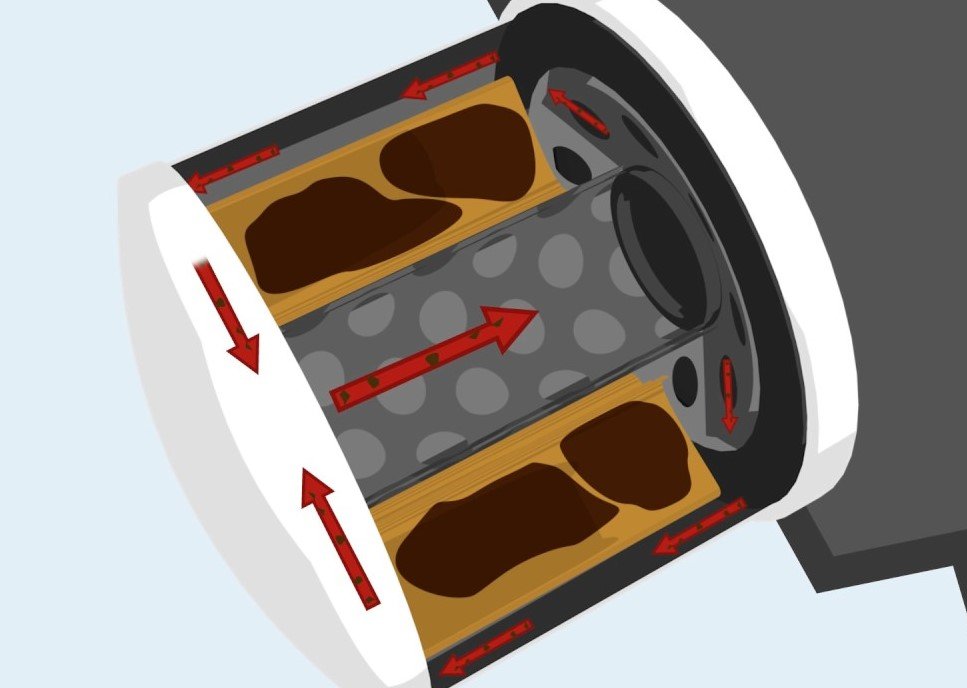
Filter Types
-
Spin-On Oil Filter
-
Most common type.
-
Easy to replace and disposable.
-
Works for most passenger cars and light trucks.
-
Cartridge Oil Filter
-
Found in newer cars and some European models.
-
Fits into a reusable housing.
-
Eco-friendly and can handle higher pressure.
-
High-Performance Filter
-
Designed for sports or heavy-duty vehicles.
-
Handles high oil flow and extreme conditions.
How to Pick an Oil Filter?
-
Match the filter to your car model and engine type.
-
Check the filter brand’s compatibility guide or car manual.
-
Ensure the filter size and thread match your engine.
-
Replace the filter with every oil change to prevent dirt from re-entering the engine.
Consequences of wrong filter:
-
Oil leaks
-
Engine wear
-
Reduced oil pressure
-
Dirt entering engine
Checking and Changing Oil
Step-by-Step Process
-
Check Oil Level
-
Park on a level surface.
-
Pull out dipstick, wipe clean, reinsert, then remove to read level.
-
Add oil if below the “min” mark.
-
Drain Old Oil
-
Warm engine slightly to reduce viscosity.
-
Use drain pan to collect old oil.
-
Remove drain plug carefully.
-
Replace Oil Filter
-
Remove old filter with oil wrench.
-
Lubricate new filter gasket with fresh oil.
-
Tighten by hand to avoid over-tightening.
-
Add New Oil
-
Pour recommended amount slowly using funnel.
-
Check level after a few minutes.
-
Dispose Old Oil Properly
-
Take used oil and filter to recycling centers.
-
Never pour on ground or in drains.
Maintenance Tips
-
Change oil based on mileage, engine type, and oil type.
-
Inspect oil for color and smell. Dark or burnt oil indicates change is needed.
-
Replace oil filter with every oil change.
-
Follow climate guidelines for viscosity. Thin oil for cold, thick oil for hot weather.
Special Situations
-
Towing or Heavy Loads: Use synthetic or synthetic blend for better protection.
-
Frequent Short Trips: Oil may degrade faster. Check and change more often.
-
Dusty or Polluted Areas: High-quality filter prevents engine clogging.
FAQs
Q1: Can I mix conventional and synthetic oil?
Mixing is not recommended. Stick to one type to avoid reduced performance.
Q2: How do I know which oil viscosity to use?
Check your car manual. It lists correct viscosity for hot and cold climates.
Q3: Can synthetic oil harm an old car?
Most modern synthetics are safe, but very old engines may need conventional oil to prevent leaks.
Q4: How often should I change the oil filter?
Every oil change. Never skip filter replacement.
Q5: Can wrong oil or filter damage my engine?
Yes. Wrong oil may not lubricate properly. Wrong filter may allow dirt into the engine.
Q6: Is brand important for oil and filter?
Quality is more important than brand. Use products that match your car’s requirements.
Q7: Can I drive immediately after adding oil?
Yes, but check for leaks first. Let engine run a minute to circulate oil.
Conclusion
The right oil and filter protect your engine, improve fuel efficiency, and reduce repair costs. Always follow the car manual for oil type, viscosity, and filter. Inspect oil regularly and change it on schedule.
Understanding oil and filter choices helps prevent engine problems and keeps your car running smoothly for many years. Clean oil, good filter, healthy engine.