
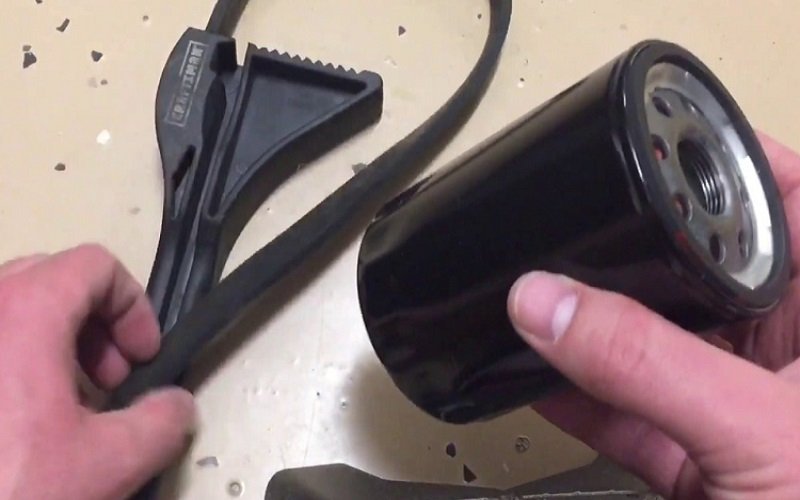
An oil filter wrench helps remove stubborn oil filters without damage or mess. Many car owners struggle during oil changes because the filter sticks too tight. This small tool solves that problem fast and safely. Proper use of an oil filter wrench saves time and protects your hands from slips and burns.
The right technique also prevents cracked filters and oil spills on engine parts. Basic knowledge makes a big difference during routine car care. A few simple steps turn a frustrating task into an easy win.
Car maintenance feels less stressful with the correct approach and tools. Every vehicle owner benefits from learning this skill at home. Confidence grows with each oil change handled the right way.
Clean removal keeps the engine area neat and helps new filters seal better. This guide explains the process in clear steps without confusion. Simple tools and smart handling lead to better results every time.
Table of Contents
ToggleHow to Use Oil Filter Wrench?
An oil filter wrench helps remove an oil filter that feels too tight to move by hand. Many people struggle during oil changes because the filter sticks. Heat, time, and pressure cause this problem.
The right tool solves it fast. Clear steps matter here. Small mistakes create leaks or damage. This guide explains everything in simple language. Short sentences help understanding.
Each step shows what to do and why it matters. Careful work keeps the engine safe and clean.
What an Oil Filter Is and Why Removal Gets Hard?
An oil filter traps dirt and metal bits from engine oil. Clean oil protects engine parts. The filter screws onto the engine. Heat makes the rubber seal expand. Long use makes the seal stick. Over-tightening adds more trouble. Hands lose grip on oily surfaces. A wrench adds strength and control.
What an Oil Filter Wrench Does?
An oil filter wrench grips the filter body. The tool helps turn the filter without crushing it. Good grip reduces slipping. Proper turning protects threads. The wrench saves time and effort. Clean removal keeps oil from spilling everywhere.
Types of Oil Filter Wrenches Explained
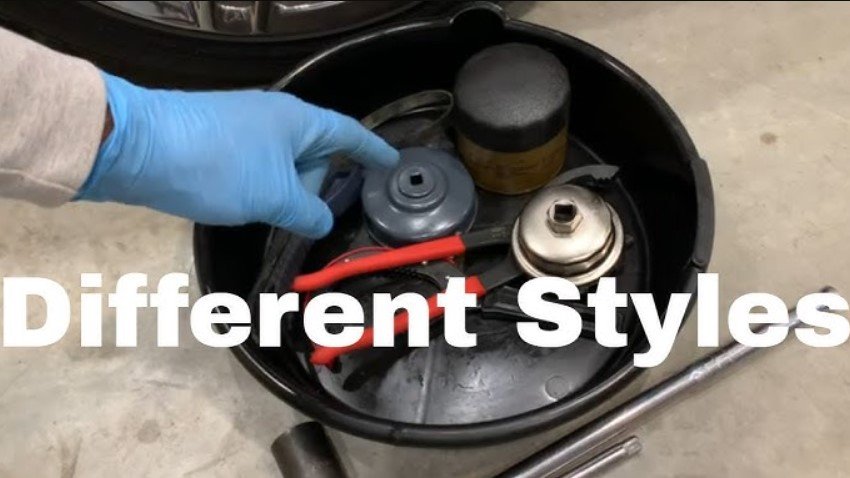
Strap Oil Filter Wrench
A strap wrench uses a rubber or fabric strap. The strap tightens as the handle turns. One tool fits many sizes. Soft material protects the filter surface. Beginners like this type. Space around the filter must allow movement.
Best for: Mixed filter sizes, home use
Watch out for: Slipping on very tight filters
Cup Style Oil Filter Wrench
A cup wrench fits over the filter end. Teeth inside the cup grip the filter. The tool connects to a ratchet or extension. Exact size match matters here. Strong grip works well in narrow spaces.
Best for: Tight engine bays
Watch out for: Wrong size causes stripping
Chain Oil Filter Wrench
A chain wrench wraps metal links around the filter. Strong grip breaks very tight seals. This type needs care. Too much force dents the filter.
Best for: Stuck or old filters
Watch out for: Filter damage from over-force
Tools and Supplies Needed
-
Oil filter wrench
-
Ratchet or handle
-
Oil drain pan
-
Gloves
-
Rag or paper towel
-
New oil filter
-
Fresh engine oil
All tools should stay clean. Dirty tools slip easily.
Step-by-Step Guide on How to Use an Oil Filter Wrench
Step 1: Prepare the Vehicle
Park the car on level ground. Turn off the engine. Wait 10 to 15 minutes. Warm oil drains better. Hot oil burns skin. Safety comes first.
Step 2: Set Up the Work Area
Place the drain pan under the oil filter. Oil may spill during removal. Keep rags nearby. Gloves protect hands from oil and heat.
Step 3: Locate the Oil Filter
Most oil filters sit near the engine block. Some sit under the car. A manual or quick search helps confirm location. Clean dirt around the filter using a rag. Clean surfaces improve grip.
Step 4: Choose the Correct Wrench
Pick a wrench that fits well. Strap types need proper tension. Cup styles must match filter size. Loose fit causes slipping. Tight fit gives control.
Step 5: Attach the Wrench Properly
Wrap or place the wrench around the filter. Position it close to the filter base. This spot offers better leverage. Keep the tool straight. Angled tools slip easily.
Step 6: Turn the Filter the Right Way
Turn the wrench to the left. Left direction loosens the filter. Apply slow and steady pressure. Sudden force leads to slips. Short turns help break the seal.
Step 7: Loosen Until Hand-Tight
Stop using the wrench once the filter moves freely. Hands finish the job safely. Oil may drip at this stage. Keep the drain pan ready.
Step 8: Remove the Filter Carefully
Unscrew the filter fully by hand. Tilt the filter upward to reduce spills. Place the old filter in the drain pan.
Extra Tips for Stuck Oil Filters
-
Tap the filter lightly to break the seal
-
Adjust wrench position for better grip
-
Use slow pressure instead of force
-
Check tool alignment before turning
Patience prevents damage.
After Removing the Oil Filter
Check the Old Seal
Look at the old filter seal. Seal must come off with the filter. A stuck seal causes leaks later.
Prepare the New Filter
Rub a thin layer of fresh oil on the new seal. This helps future removal. Screw the new filter on by hand. Tighten until snug. Hand-tight works best.
Common Mistakes to Avoid
-
Over-tightening the new filter
-
Using the wrong wrench type
-
Pulling too hard too fast
-
Forgetting the drain pan
-
Skipping seal check
Small errors lead to leaks or engine trouble.
Safety Notes
Oil can stay hot for a long time. Gloves reduce burn risk. Stable footing prevents slips. Clean oil spills right away. Dispose of old oil and filter properly.
FAQs
What size oil filter wrench should I buy?
Check the filter size or car manual. Adjustable strap wrenches fit many filters.
Can an oil filter wrench damage the filter?
Wrong use can dent the filter. Correct fit and steady pressure prevent damage.
How tight should the new oil filter be?
Hand-tight until snug works best. Over-tightening causes future removal problems.
Can I reuse an old oil filter wrench?
Yes, reuse works fine. Clean the tool after each use.
How often should oil filters get changed?
Most cars need a new filter with every oil change.
Conclusion
An oil filter wrench makes oil changes easier and safer. Correct tool choice matters a lot. Slow and careful steps prevent damage. Clean work leads to better results. Practice builds confidence. Proper use saves time and effort every time.