
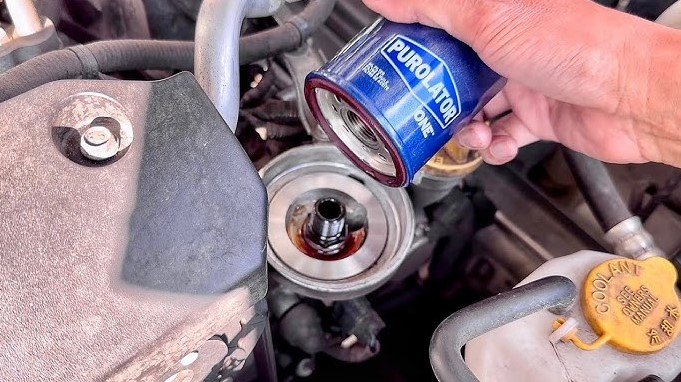
Car owners often ask, can you change an oil filter without draining the oil? This question pops up during quick maintenance jobs or tight schedules. Many drivers want to save time and avoid a full oil change.
The idea sounds simple, but the process needs careful thought. An oil filter holds dirty oil and debris from your engine. Once you remove it, some oil will spill out. The amount depends on your vehicle’s design and filter position.
Some engines place the filter high, while others mount it low near the oil pan. That location changes how much oil escapes. Skipping a full drain may save a few minutes, yet it may not deliver the best results for engine health.
Fresh oil works best with a fresh filter. Clear facts help you decide the right step for your car and protect your engine for the long run.
Can You Change an Oil Filter Without Draining the Oil?
Many drivers ask this question. Can you change an oil filter without draining the oil?
Yes, you can. The engine will not empty all its oil when you remove the filter. Still, this step does not replace a full oil change. Oil and filter work together. Both protect the engine. Both wear out over time.
This guide explains the full picture. You will learn how it works, when it makes sense, and what risks you face. Clear facts. Simple words. Real details.
How the Engine Oil System Works?
Your engine has many metal parts. Pistons move up and down. Valves open and close. Crankshaft spins fast. These parts create friction.
Oil flows through small passages inside the engine. A pump pushes oil under pressure. The oil:
-
Reduces friction
-
Cools hot parts
-
Cleans small dirt particles
-
Prevents rust
Oil pressure usually stays between 20 to 60 PSI in most passenger cars. This pressure keeps oil moving to all key parts.
The oil filter sits in the flow path. Oil passes through the filter before it returns to the engine. The filter traps dirt as small as 20 to 40 microns. A human hair is about 70 microns thick. That shows how small these particles are.
Over time, dirt builds up. The filter fills. Oil also breaks down due to heat. Engine oil often reaches 90°C to 120°C during normal driving. High heat slowly damages the oil’s chemical structure.
Where the Oil Stays When You Remove the Filter?
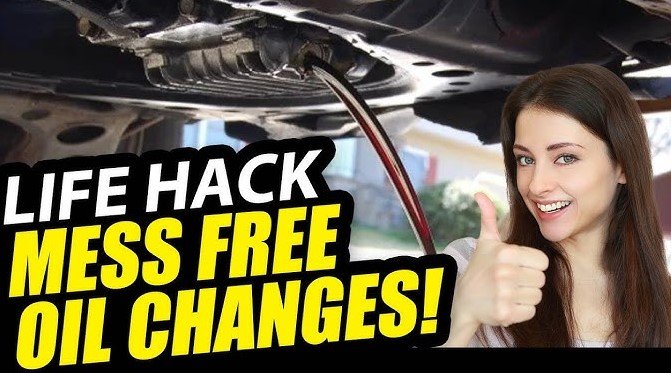
Oil mainly stays in the oil pan at the bottom of the engine. The oil pan holds most of the oil. A normal small car holds about 3.5 to 5 liters of oil.
The oil filter holds only a small amount. Usually 200 to 500 milliliters. That equals less than half a liter.
Gravity keeps most oil in the pan. So when you remove the filter, only the oil inside the filter housing and nearby passages drains out.
Oil will drip. But it will not pour out like a full drain.
Can You Change Only the Oil Filter?
Yes. The engine will continue to run. Oil level may drop slightly. You may need to add a small amount after replacement.
This method works technically. The engine will not suffer instant damage. But this choice depends on oil condition.
Oil Life vs Filter Life
Oil and filter age at different speeds.
Oil Breakdown
Engine oil contains additives. These additives:
-
Fight acid buildup
-
Control sludge
-
Prevent foam
-
Protect metal surfaces
Over time, additives wear out. Oil becomes darker and thicker. It loses protection. Most modern oils last 5,000 to 10,000 kilometers in normal driving. Heavy traffic, dust, and short trips reduce oil life.
Filter Capacity
Oil filters have a dirt holding capacity. Standard filters may hold around 10 to 15 grams of contaminants. High-quality filters may hold more.
Once full, a bypass valve opens inside the filter. This allows unfiltered oil to circulate. The engine still gets oil, but dirt may pass through. New filter helps only if oil still has good quality.
Situations Where Filter-Only Change Makes Sense
1. Oil Was Recently Replaced
Fresh oil still has strong additives. Filter may have defect. In this case, replacing only the filter saves money and keeps oil clean.
2. Wrong Filter Installed
You may discover incorrect filter size. Fixing it without draining fresh oil makes sense.
3. Minor Leak at the Filter
Loose gasket or damaged seal can cause small leak. Replacing the filter solves the issue. Short-term fix. Not long-term plan.
Situations Where Full Oil Change Is Better
Dark, Thick Oil
Black oil does not always mean bad oil. But thick, sticky oil signals breakdown.
High Mileage Since Last Change
Driving 8,000 to 10,000 kilometers already? Replace both oil and filter.
Sludge Build-Up
Sludge forms when oil oxidizes. Sludge blocks oil passages. New filter cannot remove old sludge inside engine.
Severe Driving Conditions
Frequent short trips. Heavy loads. Dusty roads. Stop-and-go traffic. These reduce oil life faster. Engine protection matters more than saving small cost.
Detailed Step-by-Step Process
Preparation
-
Park on flat surface
-
Turn off engine
-
Let engine cool 20–30 minutes
-
Wear gloves
Warm engine helps oil flow. Hot engine burns skin. Warm, not hot.
Remove the Old Filter
Place drain pan under filter. Turn filter counterclockwise. Oil will drip slowly. Allow oil to drain fully from filter housing.
Wait 1 to 2 minutes. Check mounting surface. Remove old gasket if stuck. Clean surface with rag.
Install the New Filter
Apply thin layer of fresh oil on new gasket. This improves seal and makes future removal easier.
Screw filter by hand. Tighten until gasket touches surface. Turn about three-quarters turn more. Do not use wrench to overtighten.
Check Oil Level
Start engine for 30 seconds. Turn it off. Wait 2 minutes. Check dipstick.
Oil level may drop slightly. Add small amount if needed. Usually less than 250 milliliters. Never overfill. Too much oil increases pressure and may damage seals.
Risks and Long-Term Effects
Changing only the filter does not refresh oil additives. Oil may still:
-
Lose viscosity
-
Build acid
-
Form varnish on metal parts
Long-term dirty oil increases engine wear. Studies show poor oil maintenance increases engine wear by up to 50% over long periods.
Engine repair costs thousands. Oil change costs very little compared to engine rebuild. Regular oil and filter change extends engine life beyond 200,000 kilometers in many cars.
Does This Save Money?
Short answer: Not much. Oil filter costs small amount. Engine oil costs more, but still affordable compared to engine repair.
Filter-only change may save some money once. Doing it often may increase engine wear. Maintenance works best when simple and consistent.
Common Myths
Myth: New Filter Cleans Old Oil Completely
False. Filter traps solid particles. It cannot restore broken additives.
Myth: Oil Never Goes Bad
False. Heat and air cause oxidation. Oil degrades over time even without heavy driving.
Myth: Engine Will Fail Immediately
False. Engine will still run. Damage happens slowly over time.
FAQs
Can I change oil filter without draining oil?
Yes. Only small amount of oil will spill. Most oil stays in the pan.
How much oil will I lose?
Usually less than half a liter. Exact amount depends on engine design.
Do I need to add oil after changing filter?
Often yes. Check dipstick and adjust level.
Will engine run normally after filter-only change?
Yes, if oil still has good condition.
Is it safe long term?
Full oil and filter change gives better protection for long engine life.
Conclusion
You can change an oil filter without draining the oil. The engine will keep most of its oil inside the oil pan. Small amount may spill during removal. This method works in special cases, such as fresh oil or minor filter problem.
Full oil and filter change remains the safest choice for engine health. Clean oil protects metal parts, controls heat, and reduces wear. Regular maintenance keeps engine strong for many years. Smart maintenance saves money and prevents major repairs.