
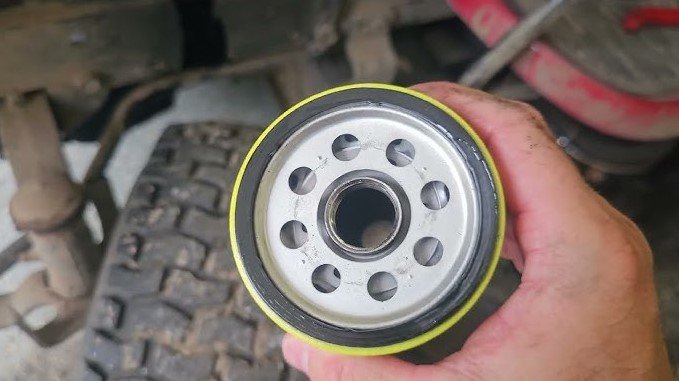
The Briggs and Stratton CV40 engine powers many lawn tractors and zero-turn mowers. This strong V-twin engine needs the right oil filter to stay clean and run smooth. Dirt and metal particles can damage internal parts fast.
A correct oil filter traps debris and keeps oil flowing at the right pressure. Many owners ask what oil filter the Briggs and Stratton CV40 takes because part numbers can confuse buyers. Some filters look similar but do not offer the same fit or performance.
The CV40 commonly uses filters such as the 492932S, 696854, or 842921, depending on the build and oil system. Cross-reference options also exist from trusted brands. Engine life depends on clean oil and a quality filter.
This guide explains the correct oil filter for the CV40, how to confirm fitment, and what to check before you buy so your mower stays reliable all season.
Table of Contents
ToggleWhat Oil Filter Does the Briggs and Stratton CV40 Take?
Many engine owners ask the same thing. What oil filter does the Briggs and Stratton CV40 take? Clear information helps you avoid mistakes.
A small engine depends on clean oil every time it runs. Dirt, heat, and friction build up fast. The right oil filter protects the engine from early wear.
The Briggs & Stratton CV40 is a 40 cubic inch V-Twin engine. It equals about 656cc. Lawn tractors and riding mowers often use it. This engine works hard during mowing season. Strong filtration keeps it healthy.
This guide explains the correct oil filter, exact specifications, compatible options, and deeper technical details in simple words.
Correct Oil Filter for Briggs & Stratton CV40
Primary Recommended Filter
The standard factory oil filter is:
-
Briggs & Stratton 492932S
This filter fits most CV series V-Twin engines.
Technical Specifications of 492932S
Understanding the size and design helps you confirm fit.
Thread Size
-
3/4″-16 UNF thread
This is very common for small engines.
Height
-
About 2.25 to 2.5 inches tall
Short design allows tight mower spaces.
Outer Diameter
-
About 3 inches
Gasket Diameter
-
Outside: around 2.7 inches
-
Inside: around 2.4 inches
Exact gasket match prevents leaks.
Filtration Type
-
Paper element media
-
Designed for small engine oil pressure systems
Small engines use splash and pressure lubrication. They do not create high oil pressure like car engines. That is why correct bypass valve design matters.
Oil Flow and Bypass Valve Details
Oil filters contain a bypass valve. This valve opens if oil flow becomes restricted.
In small engines like the CV40:
-
Normal oil pressure ranges between 40 to 60 PSI during operation
-
Cold oil flows slower
-
Dirty filters increase resistance
The built-in bypass valve prevents oil starvation. Oil starvation can damage crankshaft bearings. Proper filter design ensures oil continues to flow even if media clogs.
Cheap filters sometimes use weak internal valves. That can cause low oil pressure under load. Heat builds up. Wear increases. Long term damage follows.
Compatible Cross Reference Filters
Several brands match the 492932S size and thread.
Common equivalents include:
-
Fram PH8170
-
WIX 57035
-
Kohler 12 050 01-S
Always compare:
-
Thread size
-
Gasket diameter
-
Height clearance
A filter that is too tall may hit the mower frame. A filter with wrong gasket size may leak.
Why Oil Filtration Matters So Much?
Small engines run hot. Air cooling systems cannot control heat as evenly as car engines. Oil helps carry heat away from:
-
Pistons
-
Connecting rods
-
Crankshaft bearings
-
Camshaft parts
Dirt particles as small as 20 microns can scratch metal surfaces. Good oil filters trap many of these particles.
Over time, metal shavings form during normal wear. The filter captures them. Without filtration, these particles circulate again and again. Damage grows faster.
Clean oil equals:
-
Longer engine life
-
Smoother sound
-
Better compression
-
Lower repair cost
Simple maintenance prevents expensive rebuilds.
Oil Capacity and Oil Type for CV40
Most CV40 engines hold about:
-
2 quarts (64 ounces) of oil
Always confirm with your engine manual.
Recommended Oil Types
For warm weather:
-
SAE 30
For mixed temperature:
-
10W-30
For very cold weather:
-
5W-30 synthetic
Thicker oil protects better in heat. Multi-grade oil flows easier in cold starts. Oil and filter must work together. Clean oil with a clogged filter still causes trouble.
Oil Change Interval Data
For normal residential mowing:
-
Change oil and filter every 50 hours
-
Or at least once per season
For heavy use, such as:
-
Commercial mowing
-
Dusty fields
-
High temperature use
Change every 25 to 40 hours.
Short trips also increase contamination. Fuel dilution and moisture collect in oil if engine does not reach full operating temperature. Fresh oil protects internal parts from rust during storage.
Step-by-Step Oil Filter Replacement (Detailed Version)
1. Warm Engine Slightly
Run engine 3 to 5 minutes. Warm oil drains better. Do not overheat engine.
2. Park on Level Ground
Turn off engine. Remove key. Set parking brake.
3. Drain Old Oil
Remove drain plug. Let oil drain fully. This may take 5 to 10 minutes.
4. Remove Old Filter
Turn counterclockwise. Check that rubber gasket comes off with filter. Old gasket stuck to engine causes double sealing. That leads to leaks.
5. Inspect Filter Mount
Clean surface with rag. Remove dirt and oil residue.
6. Prepare New Filter
Add small amount of fresh oil inside filter. Lightly coat rubber gasket with clean oil.
7. Install Filter
Screw on by hand only. Turn until gasket contacts base. Tighten about 3/4 turn more. Do not use wrench to over tighten.
8. Add Fresh Oil
Fill slowly. Check dipstick. Do not overfill.
9. Start Engine
Run for one minute. Turn off engine. Check for leaks. Recheck oil level.
Clean work area. Dispose of old oil properly.
Common Problems from Wrong Oil Filter
Using wrong filter may cause:
-
Oil leaks
-
Low oil pressure
-
Engine knocking sound
-
Oil light turning on
-
Premature bearing wear
Incorrect bypass pressure rating can reduce protection. Thread mismatch can strip mounting base. Small mistakes cause big repairs later.
Storage and Seasonal Tips
Before winter storage:
-
Change oil and filter
-
Run engine briefly after change
-
Keep oil level full
Old oil contains acids from combustion. These acids attack metal parts during long storage. Fresh oil protects internal surfaces.
FAQs
1. Does every CV40 engine use 492932S?
Most models do. Always check engine model and type number on valve cover for confirmation.
2. Can I use a longer oil filter for more capacity?
Only if space allows and thread matches exactly. Clearance problems may occur in many lawn tractors.
3. How tight should I install the oil filter?
Hand tight plus about three-quarters turn. Over tightening damages gasket.
4. What happens if I skip oil filter change once?
Old filter holds dirty oil. New oil becomes dirty faster. Wear increases.
5. How long does a CV40 engine last?
With regular oil and filter changes, many engines last 1,500 to 2,000 hours or more. Maintenance makes the difference.
Conclusion
The Briggs and Stratton CV40 uses the Briggs & Stratton 492932S oil filter in most cases. Correct size, proper bypass valve, and clean installation protect the engine from wear.
Regular oil and filter changes keep this V-Twin engine strong, cool, and reliable for many mowing seasons. Small maintenance steps today prevent costly repairs tomorrow.