
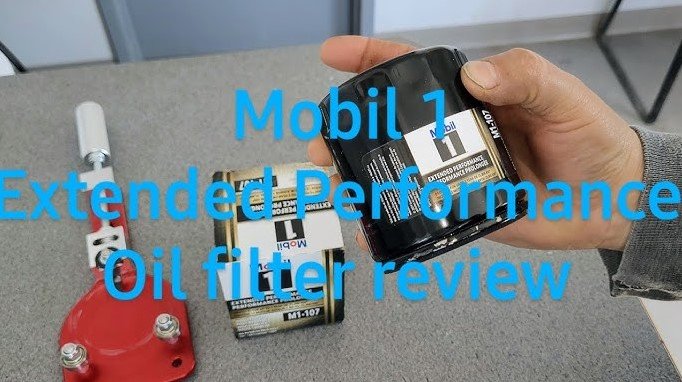
Every car needs the right oil filter to protect its engine and keep performance strong. Many drivers ask, what Mobil 1 oil filter for my car fits best and delivers top results? Mobil 1 offers several oil filter models, each built for specific engine types, driving styles, and oil change intervals.
The correct filter keeps dirt, metal particles, and sludge out of your engine. A poor match can reduce oil flow and shorten engine life. You need clear details about size, thread type, and compatibility before you buy.
Mobil 1 designs filters with synthetic blend media that capture small contaminants and support longer drain intervals. Car owners trust the brand for durability and high filtration efficiency.
This guide helps you understand how to identify the right Mobil 1 oil filter for your vehicle so you can protect your engine with confidence and avoid costly repairs down the road.
What Mobil 1 Oil Filter for My Car?
What Mobil 1 oil filter for my car? This question matters more than many drivers think. The oil filter protects your engine every second the engine runs. Oil moves fast inside the engine. It carries dirt, carbon, and small metal pieces.
The filter catches these harmful particles. Clean oil means less wear. Less wear means longer engine life. Mobil 1 oil filters support modern engines that run hotter and tighter than older engines.
Engine parts now have smaller gaps. Even tiny dirt can cause damage. That is why correct filter size and quality matter. One wrong filter can reduce oil flow or cause leaks. Engine damage costs a lot. A correct filter costs little.
Why the Correct Oil Filter Is Important?
Your engine depends on steady oil pressure. The oil pump pushes oil through the filter. The filter must allow strong flow while still trapping dirt.
A quality oil filter must do three main jobs:
-
Filter very small particles
-
Allow smooth oil flow
-
Withstand high heat and pressure
Engines often run between 195°F to 220°F (90°C to 105°C). Oil pressure can reach 40 to 70 psi in many vehicles. The filter must handle this pressure without bending or bursting.
Cheap filters may use thin metal cases. Thin cases can crack under pressure. Good filters use thicker steel. Strength matters.
How Mobil 1 Oil Filters Work?
Mobil 1 oil filters use synthetic fiber filter media. This media traps smaller particles than standard paper filters.
Many Mobil 1 filters can trap particles as small as 25 microns or even smaller. For reference:
-
Human hair measures about 70 microns
-
Fine dust can measure 10 to 40 microns
Small particles cause slow engine wear. The filter blocks them before they reach engine parts.
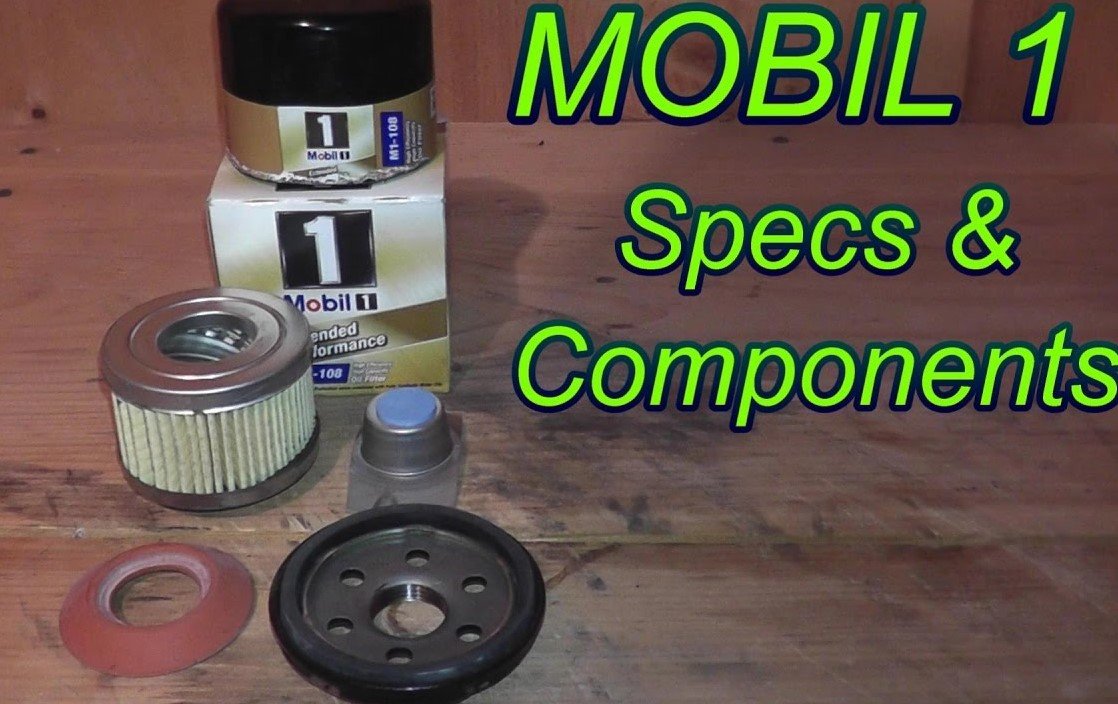
Most Mobil 1 filters include:
1. Synthetic Filter Media
Synthetic fibers catch more dirt than basic cellulose paper. Dirt-holding capacity often reaches up to 28 grams or more, depending on model.
More dirt capacity means longer life.
2. Silicone Anti-Drain Back Valve
This valve keeps oil inside the filter after you turn off the engine. Oil stays ready for the next start. Cold starts cause most engine wear. Fast oil flow reduces this wear.
Silicone lasts longer than rubber under high heat.
3. Bypass Valve
The bypass valve opens only if the filter becomes too clogged. It allows oil to flow around the filter to protect the engine from oil starvation. Clean oil works best. No oil causes serious damage.
How to Find the Exact Mobil 1 Oil Filter for Your Car?
Correct fit depends on several factors.
Engine Size
The same car model may have multiple engine options. A 2.0L engine uses a different filter than a 3.5L V6 engine. Thread size and gasket diameter change.
Oil Flow Rate
Bigger engines need higher oil flow. A small filter may restrict flow in a large engine.
Mounting Style
Some engines use:
-
Spin-on oil filters
-
Cartridge-style oil filters
Mobil 1 mainly produces spin-on filters. Many newer European cars use cartridge filters. Always check your engine type.
Thread Size and Gasket Diameter
Thread sizes vary. Common thread sizes include:
-
3/4-16
-
M20 x 1.5
-
M22 x 1.5
Wrong thread size means the filter will not screw on correctly. Wrong gasket size can cause leaks.
Popular Mobil 1 Filter Numbers and Applications
Below are general examples. Always confirm for your exact car.
M1-110
Used in many small 4-cylinder engines. Common in some Honda, Subaru, and Nissan vehicles.
M1-102A
Used in many Ford and Toyota engines. Fits some 2.5L and 3.0L engines.
M1-212A
Designed for larger V8 engines. Common in trucks and SUVs.
M1-108A
Often used in GM vehicles and crossover SUVs.
Each number matches a specific thread size, gasket diameter, and filter height.
Oil Filter Size and Oil Capacity
Filter size often connects to oil capacity.
Small 4-cylinder engines may hold:
-
4 to 5 quarts of oil
V6 engines may hold:
-
5 to 6 quarts
V8 engines may hold:
-
6 to 8 quarts
Bigger engines usually need larger filters. Larger filters store more dirty oil and hold more contaminants.
Driving Conditions Affect Filter Choice
Driving style changes filter needs.
Short City Trips
Short trips create moisture and sludge. The engine may not reach full temperature. Sludge builds up faster. Strong filter media helps in this case.
Highway Driving
Highway driving keeps engine hot and stable. Oil lasts longer. Extended performance filters work well here.
Heavy Load or Towing
Towing increases engine heat. Oil breaks down faster. A strong filter protects better under stress.
How Often to Change Mobil 1 Oil Filters?
Many drivers change oil every:
-
5,000 miles with conventional oil
-
7,500 to 10,000 miles with synthetic oil
Some modern cars allow 10,000 miles or more. Always follow your vehicle manual. Dirty oil thickens over time. Thick oil flows slower. Slow flow increases wear. Fresh oil plus fresh filter gives best protection.
Common Problems from Using the Wrong Filter
Wrong filter can cause:
-
Oil leaks around gasket
-
Low oil pressure warning
-
Engine ticking noise
-
Oil starvation
-
Engine damage
A filter that is too tall may hit engine parts. A filter that is too short may not seal properly. Small mistake. Big repair bill.
Signs Your Oil Filter Fails
Watch for:
-
Oil light flicker
-
Burning oil smell
-
Dirty oil soon after change
-
Engine knocking sound
Stop driving if oil pressure drops suddenly. Low oil pressure can damage bearings quickly.
DIY Installation Tips
Change oil on level ground. Warm the engine slightly before draining oil. Warm oil drains faster.
Steps:
-
Drain old oil fully.
-
Remove old filter.
-
Clean the mounting surface.
-
Add fresh oil to the new filter gasket.
-
Screw filter by hand until snug.
-
Tighten about 3/4 turn more by hand.
-
Refill oil to correct level.
-
Start engine and check for leaks.
Do not use tools to over-tighten. Over-tightening can crush the gasket.
FAQs
1. What Mobil 1 oil filter fits my exact vehicle?
Check your owner’s manual. Confirm engine size and year. Use a filter lookup chart or auto parts store guide.
2. Can I use a larger Mobil 1 oil filter?
Only use a larger filter if the manufacturer allows it. Wrong size may cause clearance issues or pressure problems.
3. Do expensive filters really make a difference?
High-quality filters trap smaller particles and last longer. Better filtration helps reduce engine wear over time.
4. Is Mobil 1 oil filter good for synthetic oil?
Yes. Mobil 1 filters are designed to work well with synthetic motor oil and extended oil change intervals.
5. Does climate affect oil filter choice?
Extreme heat or cold increases engine stress. High-quality filters perform better in harsh climates.
Conclusion
The right Mobil 1 oil filter depends on your vehicle year, model, and engine size. Correct thread size, gasket fit, and filter capacity protect your engine from dirt and wear.
Oil stays clean. Oil flows smoothly. Engine parts stay protected. A simple check before buying saves money and prevents engine problems.