
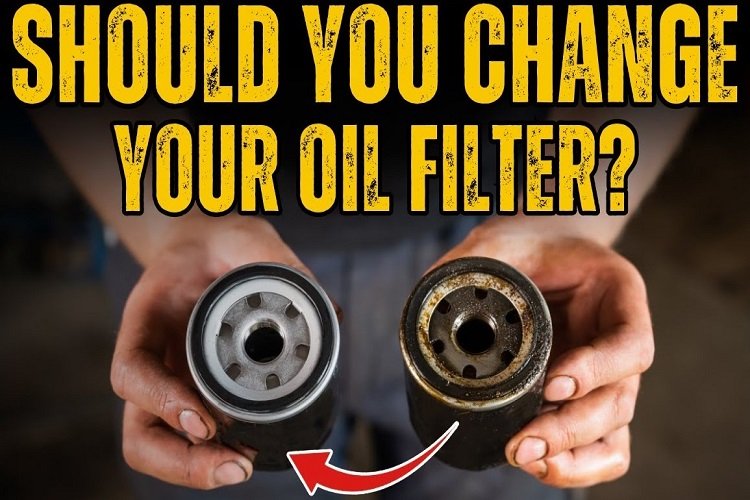
Your car’s oil filter plays a vital role in keeping the engine clean and running smoothly. Tiny particles, dirt, and sludge can build up over time, reducing engine efficiency and causing long-term damage.
Many drivers underestimate the importance of regular oil filter changes, which can lead to costly repairs. Understanding the right interval for replacement depends on driving habits, oil type, and manufacturer recommendations. Frequent short trips, heavy traffic, or extreme temperatures can wear the filter faster.
Modern vehicles with synthetic oil might allow longer intervals, but neglecting timely replacement still carries risks. Checking the filter during routine oil changes provides a clear view of its condition.
Staying proactive with maintenance protects your engine, improves fuel efficiency, and extends the life of your vehicle. Knowing the proper schedule for oil filter replacement keeps your car performing at its best.
How Often Should I Change My Oil Filter?
Oil keeps a car engine working properly. It lubricates moving parts, removes heat, and prevents friction that can damage the engine. The oil filter is just as important. It traps dirt, metal pieces, and other harmful particles before they circulate in the engine.
A dirty or clogged oil filter stops oil from flowing freely, which can cause engine wear or even major damage. Replacing the oil filter regularly improves engine life, saves fuel, and reduces repair costs.
Knowing the right time to change it can prevent many car problems. This article explains in detail how often to change your oil filter, signs it needs replacement, and how to do it safely.
How Oil Filters Work?
An oil filter works like a sponge for dirt. Engine oil passes through the filter, and harmful particles stay trapped inside. Clean oil lubricates the engine parts efficiently, while dirty oil can cause friction, overheating, and wear.
Types of Oil Filters
-
Full-Flow Filters – Most common type. Filters all oil before it reaches the engine.
-
Bypass Filters – Only filters a portion of oil at a time, but removes smaller particles.
-
High-Efficiency Filters – Better for newer cars. Captures very small debris.
Understanding the type of filter helps you choose the right one for your car.
Signs Your Oil Filter Needs Changing

Sometimes the oil filter can fail before the scheduled change. Watch for these signs:
-
Dirty or Dark Oil – Fresh oil is light brown. Black, thick oil indicates a dirty filter.
-
Engine Noise – Knocking or unusual sounds can mean oil is not flowing properly.
-
Warning Lights – The oil pressure light may turn on.
-
Reduced Engine Performance – Slow acceleration or rough running may be caused by dirty oil.
-
Leaking Oil – Old filters can develop leaks, causing oil to drip.
Ignoring these signs can lead to serious engine problems.
How Often to Change Your Oil Filter?
Oil filter change depends on oil type, driving habits, and car model. Most experts recommend:
-
Conventional Oil: Every 3,000 to 5,000 miles
-
Synthetic Oil: Every 7,500 to 10,000 miles
Check the owner’s manual. Car manufacturers provide exact intervals. Following these ensures warranty protection and engine safety.
Factors Affecting Oil Filter Life
-
Driving Conditions – Stop-and-go traffic, short trips, and dusty roads can clog the filter faster.
-
Oil Type – Synthetic oil lasts longer than conventional oil and keeps the filter cleaner.
-
Engine Age – Older engines produce more debris, requiring more frequent filter changes.
-
Climate – Hot or cold climates can affect oil and filter performance.
Detailed Steps to Change an Oil Filter
Changing the oil filter is easy with some tools and care.
Tools Needed
-
New oil filter
-
Oil drain pan
-
Wrench or oil filter wrench
-
Funnel
-
Clean cloth or rag
Step-by-Step Process
-
Warm the Engine – Run the car for 5–10 minutes. Warm oil drains faster.
-
Drain Old Oil – Place a pan under the oil pan, remove the drain plug, and let oil drain completely.
-
Remove Old Filter – Unscrew the old filter carefully. Oil may spill, so use a cloth.
-
Prepare New Filter – Apply a thin layer of fresh oil to the rubber gasket of the new filter. This helps seal it.
-
Install New Filter – Screw the new filter by hand until snug. Do not over-tighten.
-
Refill Engine Oil – Use the correct type and amount of oil. Check the level with a dipstick.
-
Check for Leaks – Start the engine and observe around the oil filter and drain plug.
Safety Tips
-
Dispose of old oil and filter properly. Recycling centers accept used oil.
-
Wear gloves to avoid burns from hot oil.
-
Use the right filter model for your car.
Extra Tips for Oil Filter Maintenance
-
Track Your Oil Changes – Keep a log to remember when the next change is due.
-
Check Oil Monthly – Low or dirty oil can cause engine damage.
-
Use Quality Filters – High-quality filters trap more debris and last longer.
-
Avoid Overfilling Oil – Too much oil can increase pressure and damage seals.
-
Drive Gently – Hard driving produces more engine wear and dirt in oil.
FAQs
Q1: Can I skip oil filter replacement if my oil looks clean?
Clean oil doesn’t always mean a clean filter. Tiny particles may still clog it. Replace the filter regularly.
Q2: Can old filters cause engine overheating?
Yes, a clogged filter restricts oil flow. Less oil circulation means more friction and heat.
Q3: How to know the right oil filter for my car?
Check the owner’s manual or consult a mechanic. The filter must match oil type and engine size.
Q4: Can changing only oil but not the filter cause problems?
Yes, the old filter may still have dirt. Fresh oil flows through it and becomes dirty quickly.
Q5: Can I change the oil filter myself safely?
Yes, using the right tools and steps, anyone can change it at home safely.
Conclusion
Regular oil filter changes are crucial for engine health. Following the mileage recommendations, checking oil condition, and watching for warning signs prevent costly repairs.
A clean filter keeps the engine running efficiently, saves fuel, and extends car life. Proper maintenance ensures smooth driving and peace of mind on every journey.