
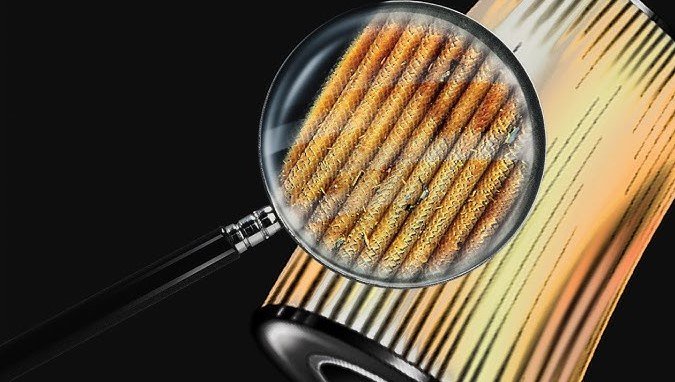
Engines work hard every time you turn the key. Metal parts move at high speed and create heat and friction. Oil flows through the engine to reduce wear and keep parts cool. Dirt, metal particles, and sludge mix with that oil over time.
An oil filter traps those harmful particles before they cause damage. Clean oil keeps engine parts smooth and strong. A clogged or poor-quality filter allows debris to circulate and harm vital components.
That damage can lower performance and shorten engine life. Drivers often focus on oil type but ignore the filter. This small part plays a big role in engine health. Regular filter changes protect horsepower, improve fuel efficiency, and reduce costly repairs.
Understanding what an oil filter does helps you make smarter maintenance decisions and keep your vehicle running at its best for years.
What Does Oil Filter Do?
Every engine needs clean oil. Oil keeps engine parts cool and smooth. It reduces heat and friction. Dirt and tiny metal pieces can mix with oil over time. That is where the oil filter helps.
An oil filter cleans the oil before it moves through the engine again. Clean oil means better engine life. Dirty oil can damage parts fast. A small part. A big job.
This guide explains what an oil filter does, how it works, and why it matters.
How an Oil Filter Works?
An engine has many moving metal parts. These parts rub against each other. Oil flows between them to reduce friction.
During this process, oil collects:
-
Dust
-
Metal particles
-
Carbon deposits
-
Sludge
The oil filter traps these harmful particles. It allows clean oil to return to the engine.
Simple process:
-
Oil leaves the oil pan.
-
Oil pump pushes oil toward the filter.
-
Oil passes through filter media.
-
Dirt stays inside the filter.
-
Clean oil flows back to engine parts.
Clean oil protects pistons, bearings, and crankshaft parts. Dirty oil scratches and wears them down.
Main Parts of an Oil Filter
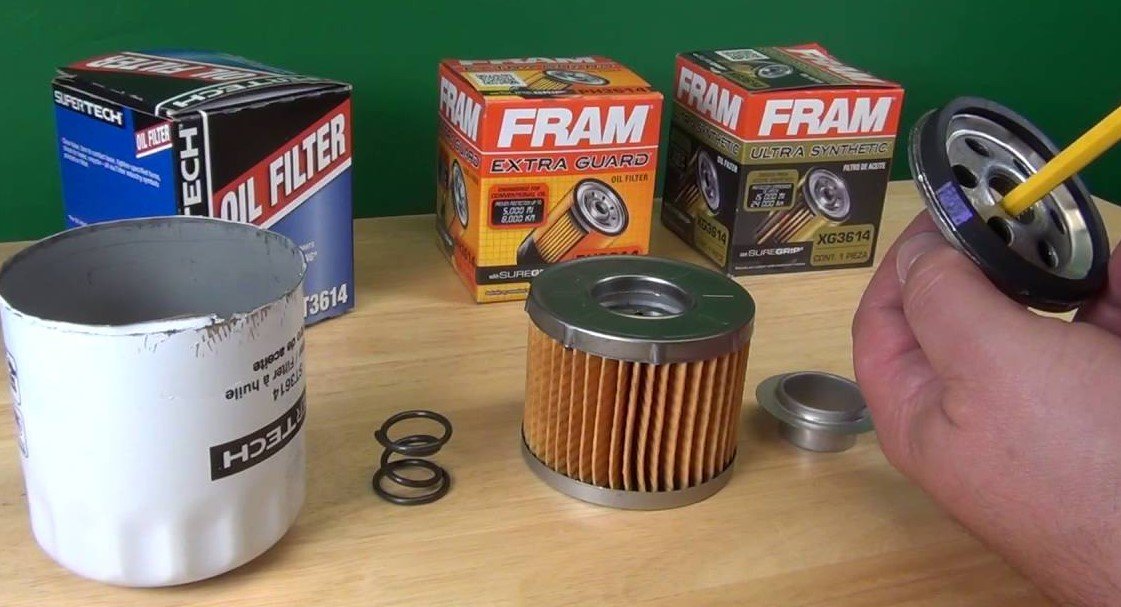
Filter Media
Filter media sits inside the filter. It acts like a fine screen. It catches dirt but lets oil pass. Most filters use paper, synthetic fiber, or a mix of both. Better media traps smaller particles.
Bypass Valve
Oil must flow even if the filter blocks. The bypass valve opens when pressure gets too high. This valve allows oil to move without full filtering. It protects the engine from oil starvation. Short term safety. Long term solution requires replacing the filter.
Anti-Drain Back Valve
Oil can drain out of the filter when the engine stops. This valve keeps oil inside. It helps oil reach engine parts fast during startup. Fast oil flow reduces engine wear.
Why Oil Filtration Is Important?
Clean oil keeps engines healthy. Dirty oil causes many problems.
Reduces Engine Wear
Metal parts grind without clean oil. Tiny dirt particles act like sand. They scratch engine surfaces. This increases wear. A good oil filter removes those particles.
Keeps Oil Clean Longer
Oil breaks down faster with dirt inside. Clean oil lasts longer. That means better performance between oil changes.
Improves Engine Performance
Clean oil flows better. Smooth flow reduces friction. Less friction means better fuel efficiency and smoother driving.
Prevents Sludge Build-Up
Sludge forms when oil mixes with dirt and heat. Sludge blocks small oil passages. That leads to overheating and engine damage. Oil filter slows sludge formation.
Types of Oil Filters
Different engines use different filters. Each type works to clean oil.
Spin-On Oil Filter
Spin-on filters are common in many cars. The metal can holds filter media inside. You remove and replace the whole unit during service.
Easy to install. Easy to replace.
Cartridge Oil Filter
Cartridge filters contain only the filter element. The housing stays in the engine. You replace the inside part only.
Less waste. Often found in modern vehicles.
Magnetic Oil Filter
Magnetic filters attract metal particles. They help catch tiny steel pieces. Some drivers use them as extra protection.
What Happens Without an Oil Filter?
Engines suffer without filtration. Dirt spreads inside oil. Oil turns thick and dark. Metal parts wear fast. Heat increases. Fuel economy drops.
Long term damage can lead to:
-
Low oil pressure
-
Engine knocking
-
Overheating
-
Complete engine failure
A small filter prevents expensive repairs.
How Often Should You Change an Oil Filter?
Most mechanics suggest changing the oil filter every time you change engine oil.
General guide:
-
Every 3,000 to 5,000 miles for conventional oil
-
Every 7,500 to 10,000 miles for synthetic oil
Driving habits matter. Short trips, dusty roads, and heavy traffic require more frequent changes.
Old filter cannot clean oil well. Fresh filter keeps oil clean from day one.
Signs of a Bad Oil Filter
Oil filters do not last forever. Watch for warning signs.
-
Dirty exhaust smoke
-
Low oil pressure light
-
Strange engine noise
-
Dirty oil soon after change
Engine may feel rough or noisy. Quick inspection helps prevent bigger problems.
How Oil Filter Protects Engine Life?
Think of the oil filter as a guard. It protects the engine every second the car runs.
Clean oil:
-
Reduces friction
-
Controls heat
-
Protects moving parts
-
Supports smooth performance
A healthy oil filter supports a healthy engine. Small part. Big impact.
FAQs
1. What does an oil filter actually do?
An oil filter removes dirt, metal particles, and sludge from engine oil. It keeps oil clean so the engine runs smoothly.
2. Can I change oil without changing the filter?
You can, but it is not a good idea. Old filter holds dirty oil. New oil mixes with that dirt. Engine loses protection.
3. How long does an oil filter last?
Most oil filters last until the next oil change. Replace it during every oil service.
4. Does a better oil filter make a difference?
Yes. High quality filters trap smaller particles. They protect the engine better over time.
5. What happens if an oil filter gets clogged?
Oil flow slows down. Engine may lose pressure. Bypass valve may open and allow unfiltered oil to pass. Engine wear increases.
Conclusion
Oil filter plays a simple but critical role. It cleans engine oil and protects moving parts. Clean oil reduces wear, controls heat, and improves engine life.
Regular filter changes cost little but prevent serious engine damage. Strong engine health always starts with clean oil.