
Understanding the right oil filter can save your engine from unnecessary wear and tear. FRAM offers a wide range of filters designed to match specific vehicles, engines, and driving styles. Using the wrong filter may reduce oil flow, trap fewer contaminants, or even damage engine components over time.
Every car manufacturer recommends filters that meet precise specifications, including size, media type, and pressure tolerance. FRAM simplifies this process with clear product categories, ensuring drivers find the correct match quickly.
Online tools and vehicle manuals can guide users by engine type, model year, and driving habits. Performance levels also vary between standard, high mileage, and synthetic-friendly filters.
Knowing the exact requirements of your engine helps maintain oil efficiency and prolongs vehicle life. This guide breaks down key details, tips, and resources for selecting the FRAM oil filter that protects your engine while supporting peak performance.
What Fram Oil Filter Do I Need?
An oil filter keeps your engine clean. Engine oil moves through the filter, removing dirt, metal shavings, and other tiny particles.
A dirty engine or wrong filter can lower performance, increase fuel use, and damage engine parts.
Fram makes oil filters for many vehicles. Choosing the correct Fram filter protects the engine, improves oil life, and prevents problems.
How to Identify the Right Fram Oil Filter?
Check Your Car’s Manual
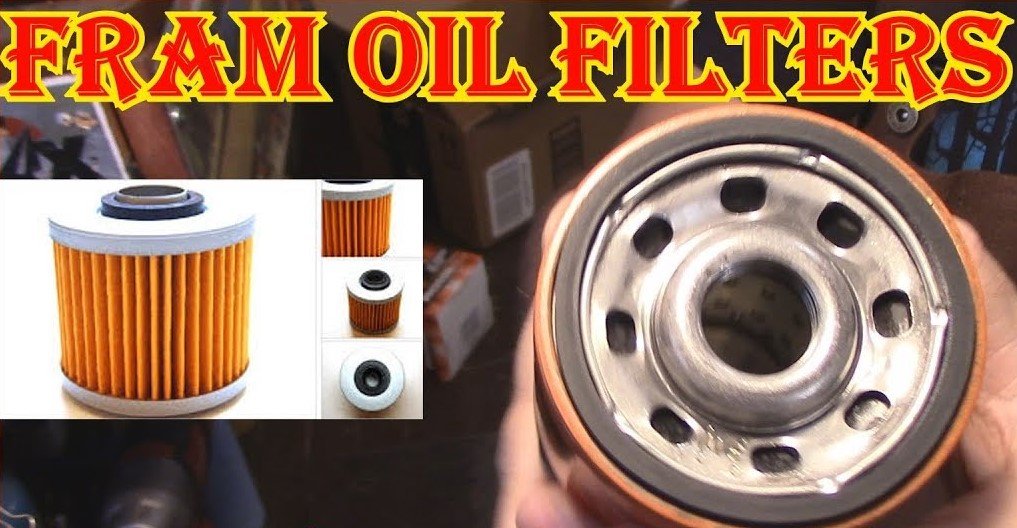
Car manuals list the exact filter size and type. Look for sections like “Engine Oil” or “Maintenance.” Using the wrong filter may cause oil leaks, low oil pressure, or engine wear. Every car model and year can have a different filter requirement.
Know Your Oil Type
Engines use different oils:
-
Conventional Oil: Standard oil for most daily cars. Works with basic filters like Fram Extra Guard.
-
Synthetic Blend: Combines synthetic and conventional oils. Filters must handle slightly higher pressure and heat.
-
Full Synthetic: Provides maximum engine protection. Requires filters like Fram Ultra Synthetic for best performance.
Using a filter that matches oil type keeps oil clean and protects the engine.
Consider Engine Size and Driving Conditions
Small engines need small filters. Large engines or trucks need larger, heavy-duty filters. Turbocharged engines or high-performance cars create more heat and pressure.
Using a filter not designed for these conditions may reduce protection. Fram has filters for normal cars, trucks, SUVs, and high-performance vehicles.
Types of Fram Oil Filters
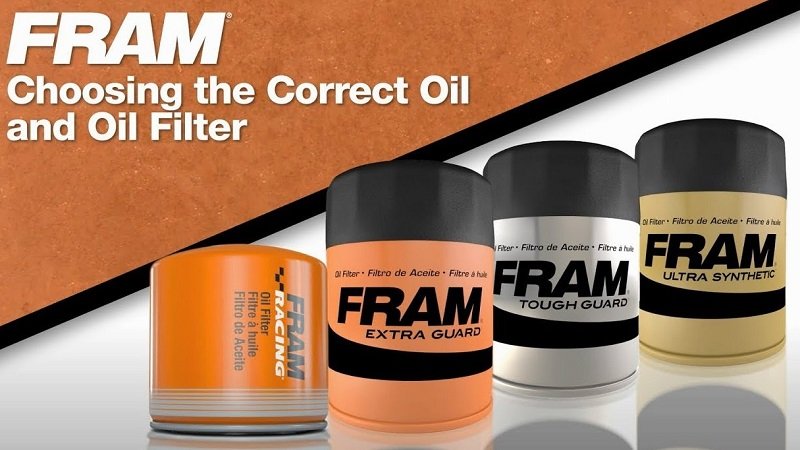
Fram offers three main product lines. Each serves different engines and driving styles.
Fram Extra Guard
-
Purpose: Everyday driving, normal conditions.
-
Oil Type: Conventional and synthetic blend.
-
Filtration Efficiency: Captures up to 95% of dirt above 25 microns.
-
Lifespan: Typically 3,000–5,000 miles.
-
Price: Most affordable option.
-
Best For: Compact cars, sedans, and small SUVs.
Fram Tough Guard
-
Purpose: Long-life filter for higher mileage or heavy-duty use.
-
Oil Type: Conventional or synthetic.
-
Filtration Efficiency: Captures 99% of dirt above 25 microns.
-
Lifespan: Up to 10,000 miles in some cases.
-
Design Features: Handles heat and pressure better; reinforced steel base plate.
-
Best For: Trucks, SUVs, vans, or cars driven long distances.
Fram Ultra Synthetic
-
Purpose: High-performance engines, full synthetic oil.
-
Oil Type: Full synthetic only.
-
Filtration Efficiency: Captures 99% of dirt down to 20 microns.
-
Lifespan: 10,000 miles or more depending on driving style.
-
Design Features: Anti-drain back valve, silicone gasket, heavy-duty media.
-
Best For: Sports cars, turbo engines, long trips, and high-temperature conditions.
How to Confirm the Right Filter?
-
Find Vehicle Model, Year, and Engine Size – Fram filters fit by model and engine type.
-
Know Oil Type – Check what your engine uses: conventional, synthetic blend, or full synthetic.
-
Select Filter Line – Extra Guard, Tough Guard, or Ultra Synthetic.
-
Compare Sizes – Diameter, height, thread size, and seal type must match.
-
Follow Installation Instructions – Tighten properly, lubricate gasket, and check for leaks.
Extra Information About Fram Filters
-
Color Coding: Orange for Extra Guard, black for Ultra Synthetic, gray/black for Tough Guard.
-
Anti-Drain Back Valve: Prevents oil from draining back when engine is off. Keeps engine parts lubricated at startup.
-
Media Material: Fiberglass or cellulose fibers capture particles efficiently.
-
Temperature Resistance: Ultra Synthetic can handle high heat, making it suitable for performance engines.
-
Longevity Data:
-
Extra Guard: 3,000–5,000 miles
-
Tough Guard: 7,500–10,000 miles
-
Ultra Synthetic: 10,000–15,000 miles depending on oil and driving
-
FAQs
1. Can I use the same Fram filter for all cars?
No. Filters differ in size, thread, and filtration level. Using the wrong filter can cause leaks or engine damage.
2. How do I know when to change the oil filter?
Check the car manual. Signs include low oil pressure, dark or dirty oil, or engine noises. Mileage intervals vary: Extra Guard ~3,000–5,000 miles, Ultra Synthetic ~10,000 miles.
3. Does a more expensive Fram filter work better?
More expensive filters usually offer finer filtration and longer life. Ultra Synthetic filters protect high-performance engines and last longer than Extra Guard.
4. Can I reuse a Fram oil filter?
No. Reusing a filter can allow dirt into the engine, causing wear. Always replace at each oil change.
5. Are Fram filters safe with synthetic oil?
Yes. Ultra Synthetic and Tough Guard filters are designed for synthetic oils. Extra Guard works better with conventional oil.
6. What is filtration efficiency and why does it matter?
It shows how many dirt particles the filter captures. Higher efficiency means cleaner oil, less engine wear, and longer engine life.
7. What is the anti-drain back valve for?
It keeps oil inside the filter when the engine is off. This ensures proper lubrication at engine startup, reducing wear.
Conclusion
Choosing the right Fram oil filter protects the engine, reduces wear, and improves oil life. Match your car model, engine size, and oil type with the correct Fram line: Extra Guard, Tough Guard, or Ultra Synthetic. Proper selection keeps the engine clean, maintains oil flow, and ensures smooth driving for years.