
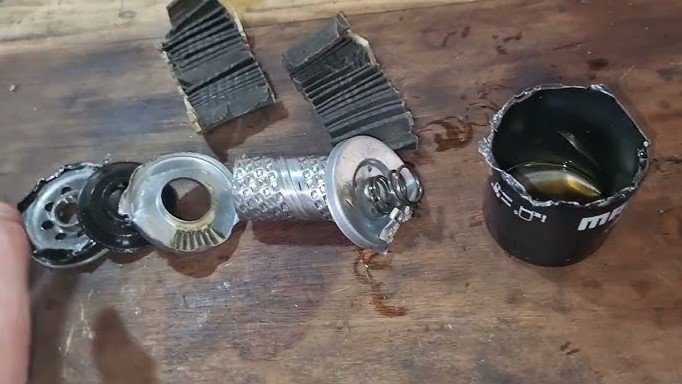
An oil filter plays a crucial role in keeping engines clean and running smoothly. Many car owners know it by name, yet few can picture its shape or understand its parts. Most oil filters appear as small, cylindrical canisters, often metal, with threaded openings that connect to the engine.
Some models feature a paper or synthetic filtering element inside, wrapped around a core that traps dirt, debris, and metal particles from circulating oil.
Color and size vary depending on the car make and engine type, with some filters coated in black, silver, or even bright colors for easier identification. Certain filters include additional features like anti-drainback valves to prevent oil from draining when the engine stops.
Examining an oil filter up close reveals its intricate design and practical simplicity. Knowing what it looks like helps car enthusiasts and mechanics identify, replace, and maintain the engine’s lifeblood efficiently.
What Does an Oil Filter Look Like?
An oil filter is a small but very important part of a car engine. It keeps the engine oil clean by removing dirt, metal particles, and other debris. Clean oil protects the engine from wear, improves fuel efficiency, and extends engine life.
Many car owners have never seen an oil filter up close. Knowing what it looks like and understanding its parts can help in maintenance, repair, or replacement. This guide explains oil filter shapes, sizes, parts, and how it works.
The Shape and Size of an Oil Filter
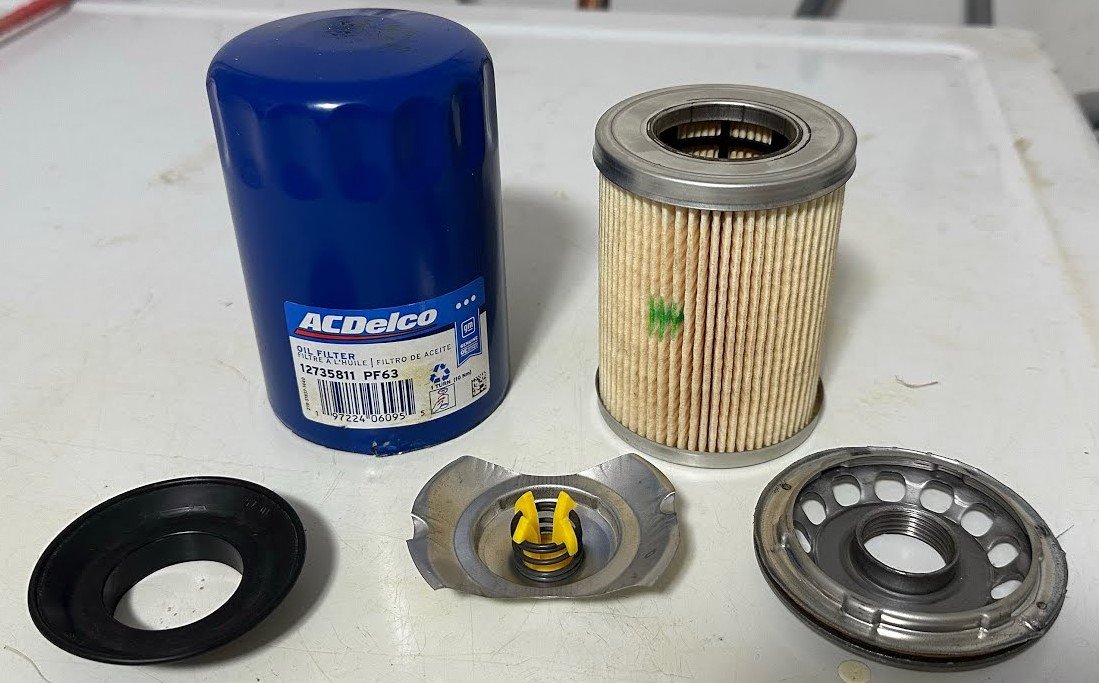
Most oil filters are cylindrical. They often look like small cans. The size depends on the vehicle type:
-
Small cars: 2 to 4 inches in diameter and 3 to 6 inches tall.
-
SUVs and trucks: 3 to 6 inches in diameter and 4 to 8 inches tall.
The body is usually made of steel or aluminum. The outside may have a smooth or textured finish. A metal body protects the internal filter material from pressure and heat.
The filter attaches to the engine through threads, which are either on the top or bottom. Some filters have hexagonal ends for wrench fitting. Many have printed labels with part numbers, brand names, or flow direction.
Common Types of Oil Filters
-
Spin-On Oil Filter
-
Most common type in passenger cars.
-
Cylindrical metal can with closed ends.
-
A threaded hole allows screwing onto the engine.
-
Easy to remove and replace with a wrench.
-
Typical lifespan: 3,000 to 10,000 miles depending on oil type and engine.
-
-
Cartridge Oil Filter
-
Modern cars use this type.
-
No metal casing; only the filter element is replaced.
-
Fits inside a plastic housing on the engine.
-
Produces less waste than spin-on filters.
-
-
Magnetic Oil Filter
-
Contains a magnet to trap tiny metal particles.
-
Can be used inside spin-on or cartridge filters.
-
Useful in engines with heavy wear or older engines.
-
Key Parts of an Oil Filter
1. Filter Media
Filter media is the main part inside. It is usually made of:
-
Paper fiber: Common, inexpensive, and effective.
-
Synthetic fibers: Polyester or cellulose blends; last longer and filter finer particles.
The media traps dirt, carbon, and metal debris. High-quality filters remove particles as small as 20 microns.
2. Center Tube
A perforated metal tube inside supports the filter media. It prevents the filter from collapsing under high oil pressure. Center tubes often have holes to allow filtered oil to flow back to the engine.
3. Gasket
A rubber or silicone ring on the base seals the filter to the engine. It stops oil leaks and ensures a tight fit. Some gaskets are made from nitrile rubber, others from silicone for high temperature resistance.
4. Base Plate
The base plate is the metal surface with holes for oil entry. The central threaded hole screws the filter to the engine. Around the threaded hole, small holes allow oil to flow into the filter.
5. Anti-Drain Back Valve
This valve keeps oil from draining out when the engine is off. It prevents dry starts, where the engine starts without oil pressure. Many filters for cars use silicone valves because they resist heat and last longer.
6. Bypass Valve
A bypass valve opens if the filter gets clogged. It allows oil to flow directly to the engine to prevent starvation. This valve usually opens at 10 to 15 psi pressure difference.
7. Optional Features
-
Magnet inside base plate: Attracts metal shavings.
-
High-flow design: Allows more oil flow in performance engines.
-
Extended-life filter: Can last up to 15,000 miles with synthetic oil.
How to Recognize an Oil Filter?
Signs of a typical oil filter include:
-
Cylinder shape with metal body.
-
Rubber gasket on one end.
-
Threads in the center for screwing onto the engine.
-
Brand name, part number, and sometimes arrows for oil flow.
-
Weight: usually 0.5 to 2 pounds depending on size.
Maintenance and Safety Tips
-
Always check the car manual for the correct oil filter.
-
Replace the oil filter with every oil change.
-
Do not over-tighten the filter; 3/4 turn after gasket contact is usually enough.
-
Inspect the gasket before installation. A damaged gasket can cause leaks.
-
Dispose of used filters properly; they contain used oil that can harm the environment.
FAQs
Q1: Can one oil filter fit all cars?
No. Filter size, threads, and flow rate must match the car engine.
Q2: How often should I change the oil filter?
Change it at every oil change. This is typically 3,000 to 7,500 miles for regular oil, or up to 10,000 miles for synthetic oil.
Q3: What happens if I use a dirty or old oil filter?
The engine may overheat, wear faster, and lose efficiency. Oil flow can decrease, which damages engine parts.
Q4: Can oil filters be cleaned and reused?
Most spin-on filters are disposable. Some cartridge or metal filters can be cleaned but must be checked carefully.
Q5: Does a high-quality filter make a difference?
Yes. Better filters trap smaller particles, last longer, and reduce engine wear.
Q6: What is the difference between a bypass valve and anti-drain back valve?
The bypass valve allows oil flow when the filter is clogged. The anti-drain back valve prevents oil from leaving the filter when the engine stops. Both protect the engine.
Conclusion
Oil filters may look simple, but they play a vital role in engine health. They appear as small cylinders with a metal body, rubber gasket, and threaded connection. Inside, they have filter media, a center tube, and valves that control oil flow.
Recognizing oil filters, knowing their parts, and changing them regularly keeps engines clean, efficient, and long-lasting. Understanding oil filters helps car owners maintain their vehicles safely and effectively.