
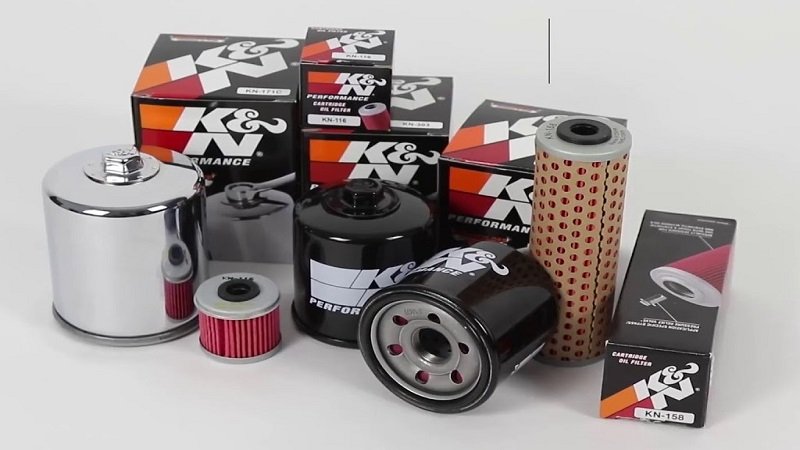
K&N has built a reputation in the automotive world for high-performance air filters, but their oil filters spark debates among car enthusiasts. Engine protection depends heavily on the quality of the oil filter. A poor filter can allow dirt and debris to circulate, causing wear and reducing engine life.
K&N oil filters claim to combine superior filtration with durability, designed to handle higher flow rates without compromising engine safety. Many drivers report smooth engine performance and longer oil change intervals using K&N, while others notice differences in oil retention and filter lifespan.
Understanding the materials, construction, and design of K&N filters helps evaluate whether they suit daily driving, off-road adventures, or high-performance vehicles.
This guide examines K&N oil filters in detail, highlighting pros, cons, and real-world experiences, helping car owners make informed decisions that protect their engines and maintain optimal performance.
Is K&N a Good Oil Filter?
Oil filters keep engine oil clean. Clean oil keeps engines running smoothly. Dirt, metal particles, and soot can wear down engine parts. A good oil filter catches these impurities.
K&N is a known brand that makes many auto filters. Many drivers ask: is K&N a good oil filter? This article explains how K&N filters work, key features, benefits, drawbacks, performance data, and real‑world use.
What Oil Filters Do?
How Engine Oil Gets Dirty
Engine oil moves through the engine at high heat and pressure. Over time, oil picks up dust, dirt, combustion by‑products, and tiny metal pieces from moving parts. These particles can harm engine bearings, pistons, and seals if not removed.
Role of an Oil Filter
An oil filter sits in the engine’s oil system. It captures solid particles while letting oil flow through. A good filter stops most dirt without blocking oil flow. Too much blockage can reduce lubrication and hurt engine health.
Filter Efficiency and Capacity
Two data points matter in filters:
-
Efficiency: Percent of particles the filter traps. Better filters catch more particles.
-
Capacity: How much dirt the filter can hold before it clogs. A larger capacity means the filter can last longer.
Standard budget filters may have 90–95 percent efficiency at a certain particle size. Premium filters can reach 98 percent or higher. Higher efficiency protects the engine more.
K&N Oil Filter Design
Synthetic Media Material
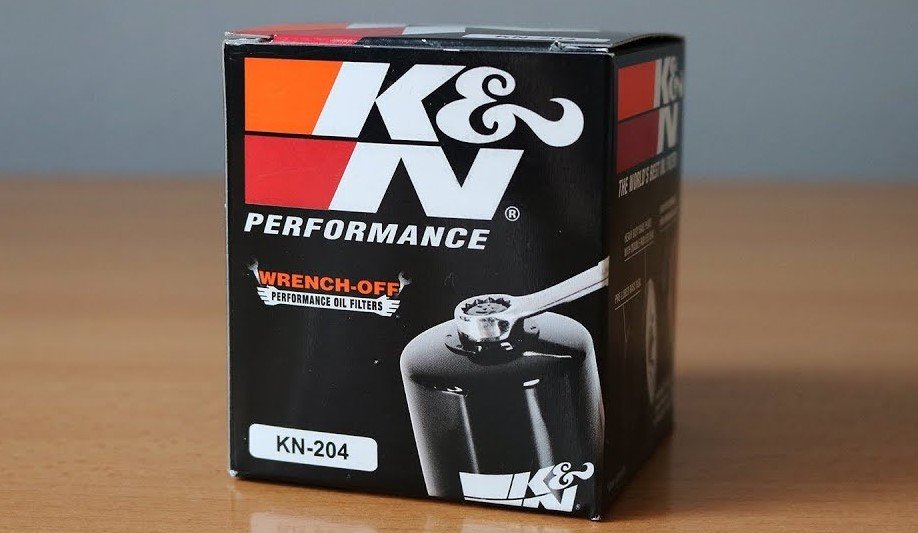
K&N oil filters use layers of synthetic filter media. Synthetic media catches smaller particles than regular paper media. This means more contaminants are trapped before they reach engine parts.
Anti‑Drain Back Valve
Many engines sit at angles or during stops. Oil can drain out of a filter if there is no valve. K&N filters include an anti‑drain back valve. It keeps oil inside the filter so the engine gets oil faster at startup.
Heavy‑Duty Steel Case
The filter housing holds the media and seals. K&N uses strong steel that resists denting and collapsing under pressure. This helps the filter last longer and remain stable under heat.
Size and Fit
K&N offers many filter models. Each fits a specific set of car and truck engines. You must pick the correct part number for your vehicle. Using the wrong size can cause leaks or poor filtration.
How K&N Filters Compare to Others?
Standard Paper Filters
Standard filters use cellulose or paper media. They work fine for short oil change intervals. They cost less. But they can only trap larger particles. Small particles can pass through more easily.
Premium Synthetic Filters
Premium brands also use synthetic media. These filters can match or exceed K&N efficiency. Some brands use multi‑layer synthetic blends and fine fibers that trap very small particles.
Bar Graph (Example)
Here is a simple way to compare:
Standard Paper | Mid‑Range Synthetic | K&N Synthetic
Efficiency ~90% | ~95–97% | ~97–99%
Dirt Capacity Low | Medium | High
Price Low | Medium | Medium‑High
This data is general, not exact. Performance depends on filter model and engine.
Real Performance and Mileage
Oil Change Interval
Most car manuals recommend oil changes every 3,000–7,500 miles. Cars with synthetic oil often go 7,500–10,000 miles. K&N oil filters are designed to last as long as the oil. They can often be used for the full oil change interval.
Heat and Stress
Car engines run hot. Heat breaks down oil faster. K&N filters resist heat better than many standard filters. This can help protect the engine in hot climates or heavy traffic.
Driving Conditions Matter
-
Short trips and stop‑and‑go traffic create more engine wear.
-
Highway driving with steady speed creates less wear.
In heavy conditions, change oil and filter sooner.
Pros and Cons
Pros
Higher Dirt Capture: K&N filters trap fine particles, reducing engine wear.
Strong Build: Steel housing and good seals reduce leaks.
Good for Long Intervals: Works well with synthetic oils over long distances.
Wide Fit Range: Filters available for many vehicle models.
Cons
Price: Cost more than basic filters.
Not Ultra‑High Performance: For racing or extreme duty engines, some specific filters may work better.
Wrong Fit Risk: Must pick the exact model for your car.
How to Pick the Right Filter?
-
Check Car Manual: Use the oil filter size and spec the manufacturer lists.
-
Match Oil Type: Synthetic oil and synthetic filter pair well.
-
Learn Driving Habits: Frequent city stop‑and‑go means shorter intervals.
-
Replace at Each Oil Change: Even good filters need fresh media with each oil change.
FAQs
Q: Can I reuse a K&N oil filter?
A: No. K&N oil filters are disposable. Replace them at each oil change.
Q: Do K&N filters cause build‑up in engines?
A: Not if installed correctly and changed on time. Proper use prevents build‑up.
Q: Are K&N filters good for diesel engines?
A: Yes. Many K&N filters fit diesel engines and work well with heavy oil.
Q: Do K&N filters improve engine power?
A: Filters do not increase power. They help keep the engine healthy so it runs as designed.
Conclusion
K&N oil filters are a reliable choice for many drivers. They use synthetic media that can trap fine particles. Strong build quality helps them last through long oil intervals.
They cost more than basic filters, but many drivers find the extra protection worth it. Pick the right filter for your car and change it with every oil change. Clean oil means a healthier engine and longer life.