
A clean furnace oil filter keeps your heating system strong and steady during cold months. Dust, sludge, and debris build up inside the filter over time. That buildup blocks fuel flow and forces your furnace to work harder than it should.
Higher energy bills and uneven heating often follow. Regular filter changes protect your system and help it last longer. You do not need advanced tools or expert skills to handle this task. Basic safety steps and the right replacement filter make the job smooth and stress-free.
Many homeowners ignore this small part, yet it plays a big role in performance and fuel efficiency. A fresh filter supports clean oil flow, stable flame quality, and reliable heat output.
This guide explains how to change a furnace oil filter in clear, simple steps so you can keep your home warm and your system running at its best.
How a Furnace Oil System Works?
Understanding the system helps you do the job better.
Main Parts of the Oil Heating System
-
Oil tank
-
Oil supply line
-
Oil filter
-
Burner pump
-
Combustion chamber
The oil pump pulls fuel from the tank. The oil passes through the filter. Clean oil reaches the burner nozzle. The nozzle sprays a fine mist. The igniter lights the mist. Heat forms inside the combustion chamber.
Dirt blocks the nozzle. Sludge clogs the pump. The filter prevents these problems.
What Happens Inside a Dirty Oil Filter?
Oil filters trap:
-
Rust flakes from steel tanks
-
Dust from air vents
-
Sludge from old oil
-
Water droplets
Over time, debris builds up inside the filter cartridge. Flow becomes restricted. Pressure inside the oil line changes. The pump works harder. The motor draws more power. Fuel spray becomes uneven.
Effects include:
-
Hard starting
-
Furnace lockout
-
Rumbling sounds
-
Smoke from exhaust
-
Higher fuel use
A clean filter keeps oil pressure stable. Stable pressure means smooth combustion.
Types of Furnace Oil Filters
Two common types exist.
Cartridge Style Filter
This type has a replaceable paper or felt cartridge inside a metal bowl. Most homes use this design.
Pros:
-
Easy to replace
-
Low cost
-
Good filtration
Spin-On Filter
This type looks like a car oil filter. You remove the whole unit and install a new one.
Pros:
-
Faster replacement
-
Sealed unit
-
Less mess
Check your furnace setup before buying a new filter.
Tools and Materials in Detail
Prepare tools before opening the filter.
Tools
-
Adjustable wrench for bolts
-
Filter wrench for spin-on models
-
Bucket or oil pan
-
Clean cloth rags
-
Small brush
-
Flashlight
Replacement Parts
-
Correct oil filter cartridge or spin-on unit
-
New rubber gasket
-
Small amount of clean heating oil for lubrication
Using the wrong filter size can cause leaks or poor sealing.
Safety and Preparation
Heating oil can spill. Oil smells strong. Slippery floors create risk.
Follow these steps:
-
Turn off the furnace power switch.
-
Shut the oil supply valve near the tank.
-
Place cloth under the filter area.
-
Wear gloves.
Never work while the burner runs. Never smoke near heating oil.
Step-by-Step Process With Full Detail
Step 1: Locate the Filter
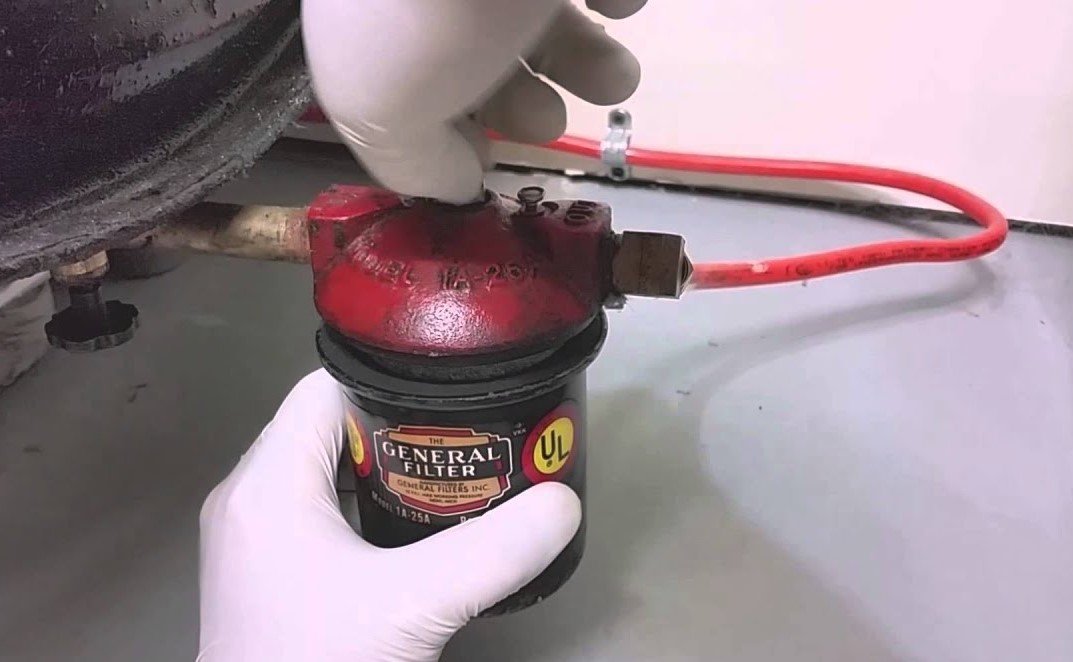
Follow the copper oil line from the tank. The filter usually sits near the burner or close to the tank outlet.
Cartridge filters often have a round metal bowl at the bottom. Spin-on filters look like short cylinders.
Step 2: Prepare for Oil Drain
Place a bucket directly under the filter housing. Oil inside the bowl may measure about half a cup to one cup.
Spread rags around the area. Oil stains quickly.
Step 3: Loosen the Filter Housing
Use a wrench to loosen the center bolt. Hold the bowl steady with your hand.
Turn slowly. Oil may drip immediately.
Allow oil to drain fully before removing the bowl.
Step 4: Remove Old Filter Cartridge
Pull the cartridge straight out. Inspect it.
You may notice:
-
Dark sludge
-
Thick black deposits
-
Rust particles
Heavy sludge means the tank may need cleaning soon.
Step 5: Remove and Inspect Gasket
The gasket seals the bowl to prevent leaks.
Remove the old gasket carefully. Check the groove for dirt. Wipe it clean.
Old gasket reuse can cause air leaks. Air leaks cause burner shutdown.
Step 6: Clean the Bowl Thoroughly
Use a clean rag and wipe all inner surfaces.
Heavy sludge buildup may require a small brush.
Clean bowl improves filter life.
Step 7: Install the New Filter
Place the new cartridge inside the housing. Ensure it sits straight.
Install the new gasket into its groove.
Dip a finger in clean oil. Lightly coat the gasket. This helps seal and prevents twisting during tightening.
Step 8: Reassemble the Filter Housing
Hold the bowl in position. Insert the bolt. Tighten with firm pressure.
Avoid extreme force. Over tightening may crack the housing or damage threads.
Step 9: Open the Oil Valve
Slowly reopen the oil supply valve.
Watch closely for leaks. Wipe around the seal and check for fresh oil.
Dry surface means good seal.
Step 10: Restore Power and Test
Turn the furnace power switch back on.
Listen to the burner start.
Smooth ignition. Steady flame sound. No smoke.
Bleeding the Oil Line Explained
Air can enter during filter replacement. Air blocks fuel flow.
Air pockets prevent proper pressure build up.
How to Bleed Air
-
Locate the bleed screw on the burner pump.
-
Place a small container under it.
-
Loosen the screw slightly.
-
Press the reset button.
-
Let oil flow until bubbles stop.
-
Tighten the screw securely.
Clear oil stream means no trapped air.
Technical Data About Oil Filters
Oil filters typically filter particles down to 10 to 25 microns. A micron measures one millionth of a meter.
For comparison:
-
Human hair measures about 70 microns thick.
-
Fine dust measures about 10 microns.
Small particles damage burner nozzles quickly. Nozzle openings are extremely small. Blockage leads to poor spray pattern.
Oil pumps operate under pressure between 100 to 150 psi in many residential systems. Blocked filters reduce pressure stability. Pressure drop affects combustion efficiency.
Clean filter supports proper spray angle and clean flame.
Performance Impact of a Clean Filter
Clean filter benefits include:
-
Better combustion
-
Reduced soot buildup
-
Lower fuel waste
-
Stable flame temperature
-
Longer nozzle life
Soot buildup reduces heat transfer. Furnace efficiency can drop by 5 to 10 percent with poor combustion.
Annual filter change helps maintain proper efficiency.
Signs of Oil Filter Failure
Watch for these problems:
-
Burner locks out often
-
Flame sputters
-
Black smoke from chimney
-
Oil odor in basement
-
Delayed ignition
These symptoms often link to restricted oil flow.
Maintenance Schedule
Experts suggest:
-
Change oil filter once per year
-
Replace burner nozzle annually
-
Inspect oil tank for water buildup
-
Clean combustion chamber yearly
Routine care reduces emergency repair calls.
Cost Breakdown
Typical oil filter cartridge costs a small amount. Spin-on models may cost slightly more.
Professional service includes:
-
Labor charge
-
Filter replacement
-
System inspection
DIY replacement lowers cost but requires care and confidence.
FAQs
How often should I change the furnace oil filter?
Most homes need one replacement per year. Heavy use homes may require checks every six months.
Can I reuse an old gasket?
No. Old gaskets often leak. Always install a new one.
Why does my furnace shut off after changing the filter?
Air likely entered the oil line. Bleed the system to remove air.
How much oil spills during replacement?
Small amount usually drains from the bowl. Proper preparation prevents mess.
Does a dirty filter increase fuel use?
Yes. Restricted flow reduces combustion quality. Poor combustion wastes fuel.
Conclusion
A furnace oil filter protects the heart of your heating system. Dirt and sludge damage burners and pumps. Clean filter supports steady fuel flow and strong flame. Annual replacement keeps your furnace efficient and reliable.