
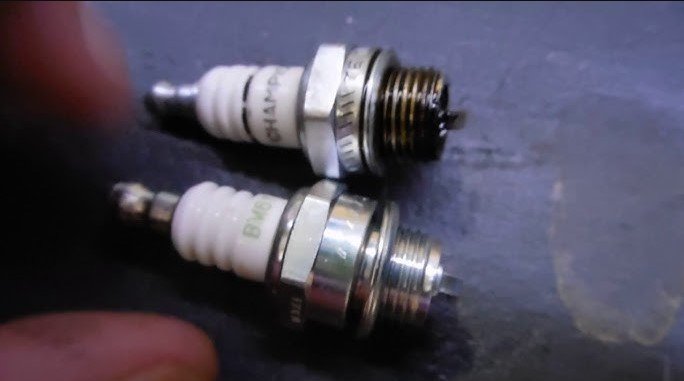
Boat engines need strong spark plugs to deliver steady power on water. Many boat owners face rough starts and weak acceleration from worn plugs. Reliable spark plugs improve fuel use and keep outboard motors running smooth. Marine conditions demand plugs that resist corrosion and heat buildup effectively.
This guide reviews five top spark plugs for outboard motors to help boat performance. Each option supports better ignition, faster starts, and longer engine life on water. Boat users gain clearer insight into durability, compatibility, and overall value here. Strong selection helps prevent breakdowns during long trips and harsh sea conditions.
Good spark plugs also reduce engine misfires and improve throttle response for safer navigation. Top picks in this list suit different boat engines and budgets for everyday marine use. Read on to compare features, performance ratings, and key benefits before making a choice. Better maintenance decisions start with the right information today.
5 Best Spark Plugs For Outboard Motors
| Image | Title | Best For | Link |
|---|---|---|---|
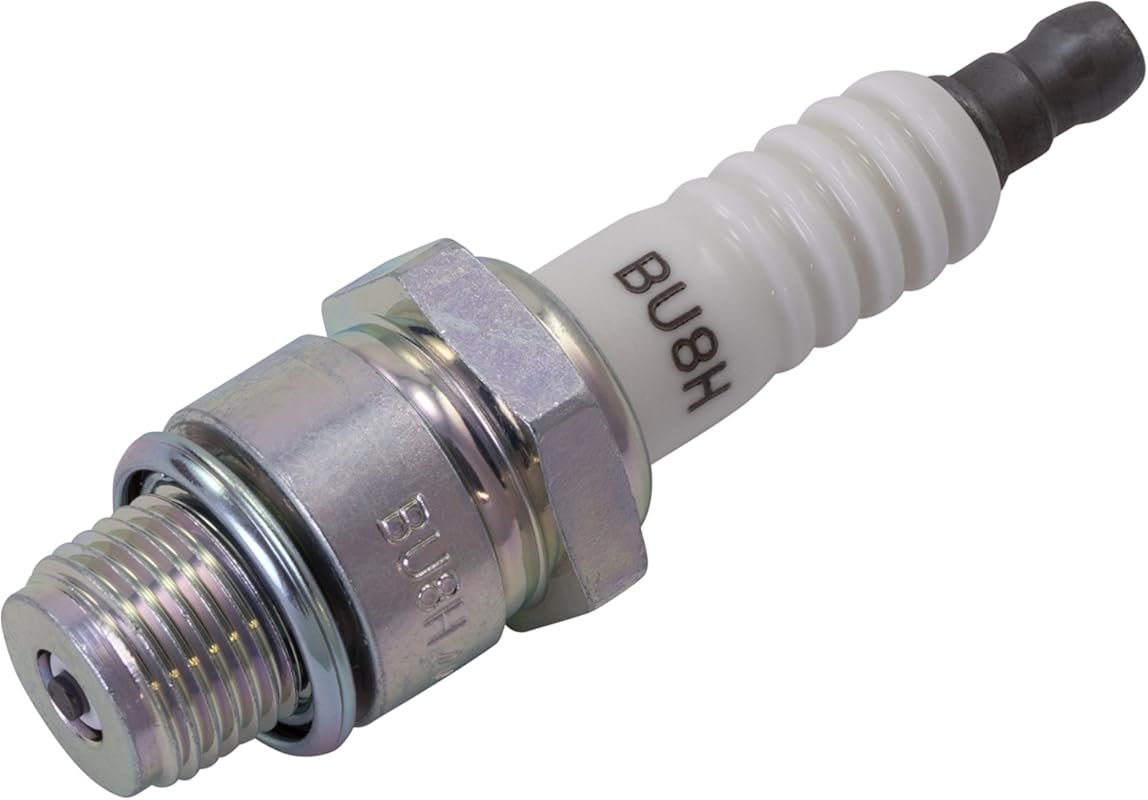 |
Quicksilver 13686Q NGK BU8H Spark Plug | The quicksilver marine outboard spark plug 13686q ngk bu8h – semi-surface discharge, 1 pack off… more | View on Amazon |
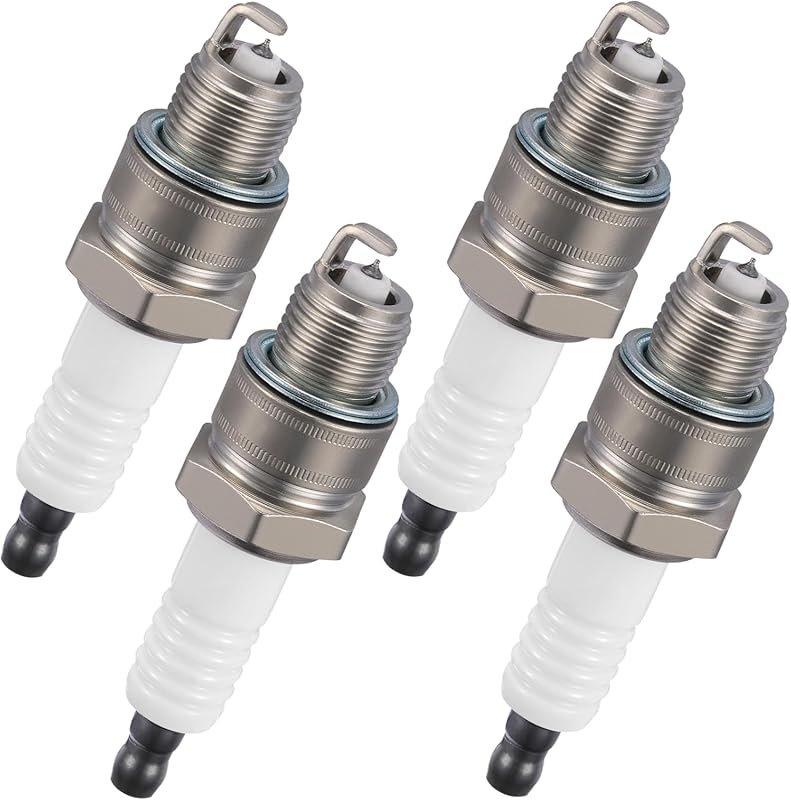 |
BDFHYK Iridium Spark Plugs for Mercury Outboard | The bdfhyk iridium spark plugs compatible with mercury outboard motors – universal fit for 6-12… more | View on Amazon |
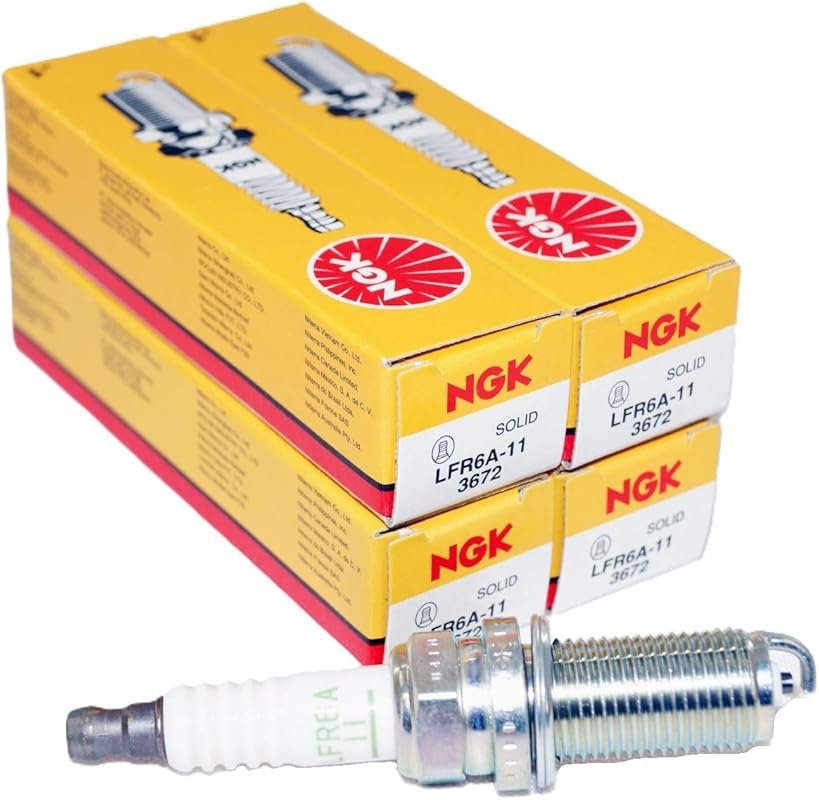 |
NGK LFR6A-11 Spark Plugs | The ngk lfr6a-11 spark plugs – high-performance ignition, 4-pack offers exceptional quality and… more | View on Amazon |
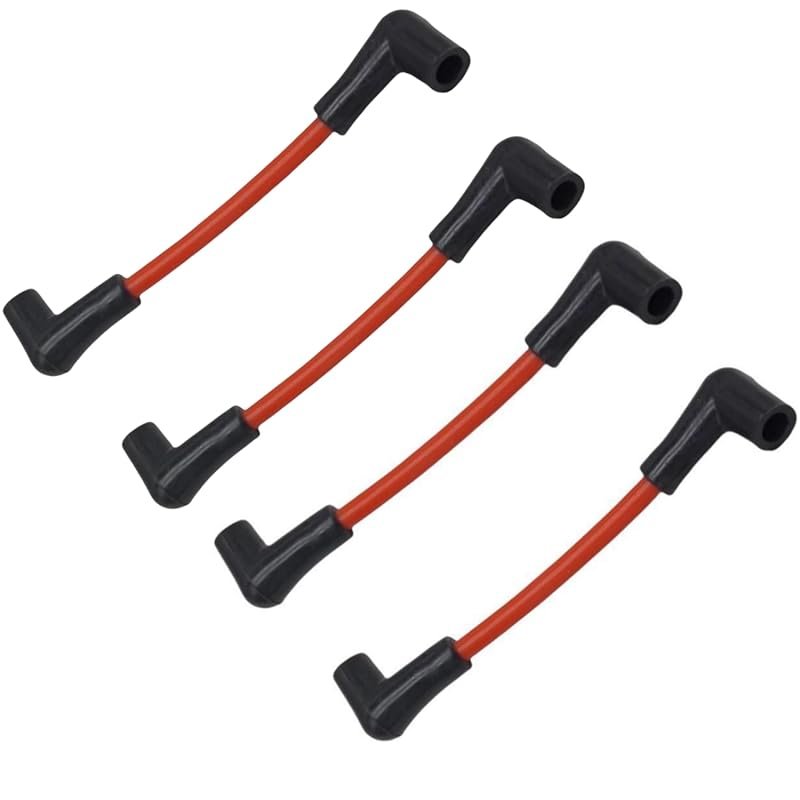 |
18-8816 6″ Ignition Wires | The 18-8816 ignition coil wires – 4 pcs, 6″ length, for omc/johnson/evinrude outboard motors of… more | View on Amazon |
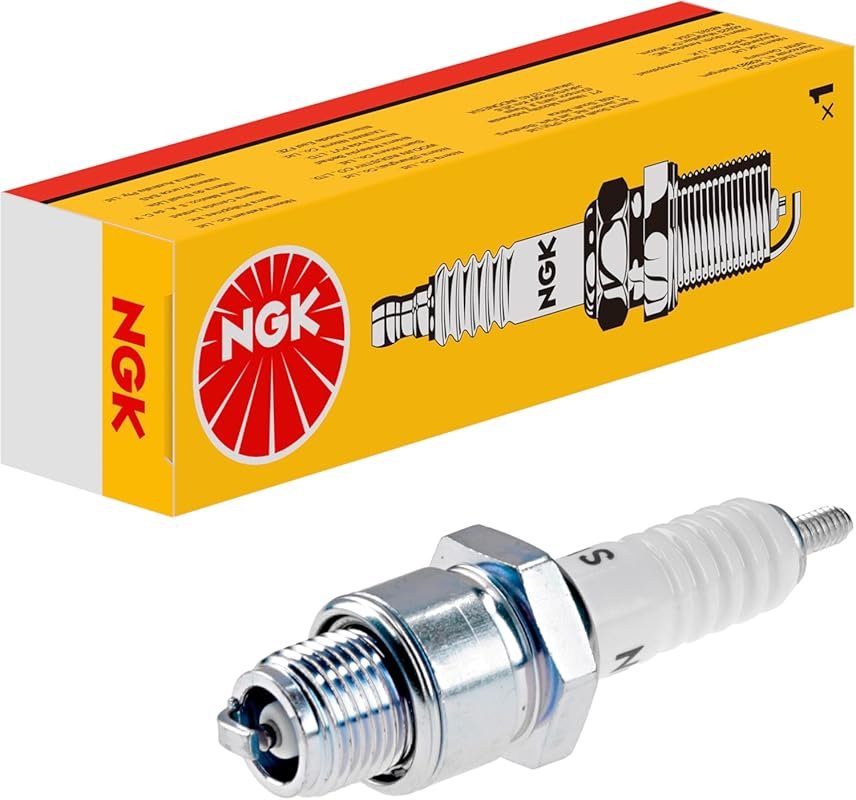 |
NGK B8HS-10 Spark Plugs | The ngk b8hs-10 spark plugs – 4-pack, reliable marine performance offers exceptional quality an… more | View on Amazon |
Our Top 5 Best Spark Plugs For Outboard Motors Reviews – Expert Tested & Recommended
1. Quicksilver 13686Q NGK BU8H Spark Plug
The Quicksilver 13686Q NGK BU8H spark plug is built specifically for marine outboard engines, offering reliable performance in harsh saltwater conditions. Its semi-surface discharge design helps prevent carbon buildup and ensures consistent ignition, making it ideal for both recreational and commercial boating use.
Key Features That Stand Out
- ✓ Semi-surface discharge technology reduces fouling and improves burn-off efficiency
- ✓ Trivalent metal plating resists corrosion and seizing in wet environments
- ✓ OEM-recommended design matches factory specifications precisely
Why We Recommend It
This spark plug delivers consistent performance across varying engine loads and temperatures. Many boat owners report smoother starts and improved fuel economy after switching to this model. Its durability makes it a top choice for frequent use without frequent replacements.
Best For
Boaters who want a hassle-free, manufacturer-approved spark plug that performs reliably in real-world marine conditions.
Pros and Cons at a Glance
2. BDFHYK Iridium Spark Plugs for Mercury Outboard
BDFHYK’s iridium spark plugs deliver superior ignition strength and long-lasting performance, especially in Mercury outboard motors ranging from 6 to 125 horsepower. Their durable construction and precise electrode design provide faster engine response and improved throttle sensitivity.
Key Features That Stand Out
- ✓ Iridium center electrode enhances spark consistency and wear resistance
- ✓ Wide heat range handles varying operating conditions effectively
- ✓ Universal thread size fits most common outboard models
Why We Recommend It
These plugs offer excellent value by combining premium materials with broad compatibility. Users frequently note reduced misfires and easier cold starts, even after extended storage periods. The set-of-four packaging makes replacement simple and cost-effective.
Best For
Owners of mid-to-large Mercury outboards seeking upgraded performance without breaking the bank.
Pros and Cons at a Glance
3. NGK LFR6A-11 Spark Plugs
NGK’s LFR6A-11 plugs offer trusted brand reliability at an affordable price. This 4-pack delivers dependable ignition performance suitable for everyday boating needs, whether you’re cruising lakes or navigating coastal waters.
Key Features That Stand Out
- ✓ Copper-core electrodes conduct heat efficiently for cooler operation
- ✓ Standard reach design fits most outboard cylinders without modification
- ✓ Cost-effective alternative without sacrificing basic functionality
Why We Recommend It
If you’re looking for a no-frills solution that still meets marine standards, these plugs get the job done consistently. They’re particularly well-suited for older outboard models where exact OEM specs aren’t critical.
Best For
Budget-conscious boaters needing dependable plugs without premium pricing.
Pros and Cons at a Glance
4. 18-8816 6″ Ignition Wires
While not traditional spark plugs, these ignition wires play a vital role in delivering power from the coil to the plugs. Designed for OMC, Johnson, and Evinrude outboards, they feature durable silicone insulation and stainless steel terminals for reliable conductivity.
Key Features That Stand Out
- ✓ Silicone jacket resists moisture, UV, and temperature extremes
- ✓ Four-piece set covers all cylinders on twin-engine setups
- ✓ Compatible with numerous legacy outboard models
Why We Recommend It
Replacing old, cracked wires prevents misfires and voltage loss. These replacements restore original signal strength and protect against corrosion-related failures, especially important in saltwater applications.
Best For
Boat owners with older outboard motors needing wire replacements rather than new spark plugs.
Pros and Cons at a Glance
5. NGK B8HS-10 Spark Plugs
The NGK B8HS-10 offers robust marine-grade performance with a focus on heat management and anti-fouling. Its wide operating range and durable ceramic insulator make it a solid choice for boats used in varied conditions.
Key Features That Stand Out
- ✓ Extended heat range handles both hot and cold running environments
- ✓ Resists carbon deposits and pre-ignition effectively
- ✓ High alumina ceramic improves thermal transfer and insulation
Why We Recommend It
These plugs strike a good balance between cost and capability, offering more than basic copper plugs but without the premium price of iridium. They’re especially useful for boats that see seasonal use or operate in variable climates.
Best For
Seasonal boaters and those seeking durable, mid-tier plugs with proven reliability.
Pros and Cons at a Glance
Complete Buying Guide for Spark Plugs
Essential Factors We Consider
When evaluating spark plugs for outboard motors, we prioritize three key aspects: compatibility, material quality, and environmental resilience. First, always check your engine’s manual for the correct thread size, reach, and heat range. Next, consider the electrode material copper offers affordability, while iridium or platinum provides longer life. Finally, ensure the plug is rated for marine use, meaning it resists saltwater corrosion and operates reliably in humid, wet conditions.
Budget Planning
You don’t need to spend a fortune to get decent performance, but avoid the cheapest options if you boat frequently. Entry-level copper plugs may save money upfront but often require replacement every 1,000–2,000 hours. Mid-range iridium or platinum plugs last longer and improve fuel efficiency, making them smarter investments over time. Set aside roughly $25–$60 depending on whether you buy single plugs or multi-packs and factor in labor costs if replacing yourself versus hiring a mechanic.
Final Thoughts
Choosing the right spark plug isn’t just about ticking a box – it directly affects how smoothly your outboard runs, how much fuel you consume, and how often you’ll need service. While brand names like NGK and Quicksilver carry trust, reputable third-party options can deliver excellent results at lower prices. Always verify fitment before purchasing and replace plugs according to your owner’s manual schedule, typically every 100–200 hours of operation.
Frequently Asked Questions
Q: How often should I replace spark plugs in my outboard motor?
A: Most manufacturers recommend inspecting spark plugs annually and replacing them every 100 to 200 operating hours, or at least once per season if usage is light. If you notice rough idling, hard starts, or decreased fuel efficiency, it’s time to check and possibly swap the plugs.
Q: Can I use regular car spark plugs in my outboard motor?
A: No. Car spark plugs are not designed for the unique demands of marine engines, including exposure to saltwater, humidity, and variable load conditions. Using non-marine plugs risks rapid corrosion, poor performance, and potential engine damage.
Q: What does “heat range” mean on spark plugs?
A: Heat range refers to a plug’s ability to dissipate heat from the combustion chamber. A higher number means the plug runs hotter and cleans itself via self-cleaning temperatures. Lower numbers run cooler and resist fouling but may overheat under heavy load. Your engine manual specifies the correct range.
Q: Do I need to replace all spark plugs at once?
A: Yes, ideally replace all plugs simultaneously. Running mismatched plugs can cause uneven combustion, vibration, and increased wear on components like coils and wires. Even if only one looks worn, swapping the entire set ensures balanced performance.
Q: Are iridium spark plugs worth the extra cost for outboard motors?
A: Absolutely. Iridium plugs last significantly longer than copper or standard nickel plugs and maintain consistent spark quality over tens of thousands of miles. For serious boaters, the reduced maintenance frequency and improved reliability justify the higher initial investment.