Wix vs K&N Oil Filter [Performance & Value Compared]

Car owners trust oil filters to protect engines from wear and sludge. Wix and K&N stand out as two popular names with different design goals. This comparison breaks down build quality, filtration media, flow rate, durability, and price.

Drivers often debate daily reliability versus high-performance benefits. Wix focuses on consistent filtration for long service intervals and normal driving conditions. K&N targets enthusiasts who value high oil flow and easy removal.

Each brand uses distinct materials, testing methods, and quality controls. Real-world factors like engine type, driving style, and maintenance habits shape results. Clear facts help buyers avoid hype and pick the right filter. This guide compares strengths, weaknesses, and ideal use cases without brand bias.

Accurate details support smarter maintenance decisions and longer engine life. Cost, availability, and warranty terms also influence ownership satisfaction. This understanding saves money and prevents unnecessary engine problems. The sections below explain differences with clear language and examples.

Wix Oil Filter vs K&N Oil Filter

Oil quality decides engine life. Clean oil reduces friction. Stable oil pressure protects bearings, cams, and pistons. Oil filters handle this job every second the engine runs. Wix XP and K&N premium oil filters rank among the most trusted options for synthetic oil users.

Both promise long service life, strong construction, and solid engine protection. Deep details below explain how each filter works, what data matters, and how real-world use differs.

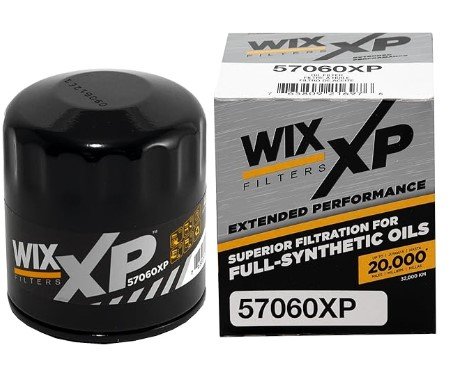
Wix Oil Filter Replacement

Wix Oil Filter Replacement


About this Product

Wix 57060XP belongs to the Wix XP line. This line targets synthetic oil users who push engines harder than normal. Heavy traffic, towing loads, frequent short trips, and long highway drives increase oil contamination.

Heat and pressure rise fast in these conditions. Wix designed this filter to manage those stresses without breaking down.

The steel shell handles high pressure. Internal parts focus on balance. Oil must flow freely while dirt stays trapped. Wix uses lab-tested standards to meet extended oil change intervals up to 20,000 miles with synthetic oil.

Features

Synthetic-blended media forms the heart of this filter. Wix mixes synthetic fibers with natural fibers. Synthetic fibers maintain shape under heat. Natural fibers improve dirt-holding capacity. This mix allows the filter to trap particles without choking oil flow.

Filtration efficiency reaches about 99 percent at 23 microns. A micron measures particle size. Human hair measures about 70 microns. Harmful engine debris often falls between 10 and 40 microns. This filter captures most of that debris before oil returns to engine parts.

No wire backing appears in the media. Traditional wire backing adds strength but restricts flow. Wix replaces it with stronger fiber bonding. Oil flows smoother across the media surface.

A high-quality gasket seals the filter to the engine block. Proper sealing prevents oil leaks and pressure loss. Internal valves manage oil flow during cold starts and pressure spikes.

Extended performance rating supports long drain intervals. Dirt-holding capacity stays high even near the end of the oil change cycle.

What is the good?

Filtration strength stands out. Small particles that cause slow engine wear stay trapped. Long-term engine cleanliness improves.

Stable performance under heat matters. Synthetic oil runs hotter than conventional oil. The filter media resists breakdown under these temperatures. Oil pressure stays steady. Clean oil flow reduces strain on oil pumps and bearings.

Long service life reduces maintenance time. Fewer oil changes save effort over a year, especially for high-mile drivers. Fit accuracy matches factory specs. Installation feels straightforward for DIY users.

What is the bad?

Price sits above basic oil filters. Short oil change users may not see full value. Large size may cause tight clearance in some engine bays. Performance depends on correct vehicle match. Fit verification remains critical.

Best For

Drivers who rely on synthetic oil. High-mile commuters. Towing and delivery drivers. Owners who prefer long oil change intervals. Engines that face heat and heavy load often.

K&N Premium Oil Filter

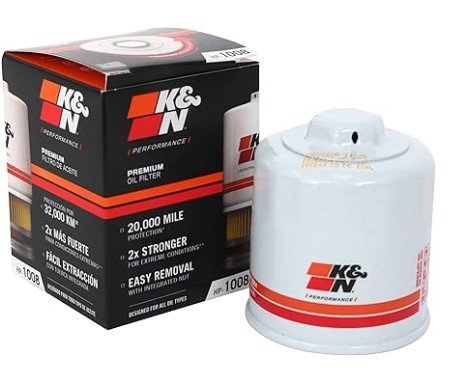
K&N Premium Oil Filter


About this Product

K&N HP-1008 focuses on oil flow and durability. K&N comes from a performance background. Racing and performance engines demand fast oil delivery. Dry starts and high RPM stress engines the most. This filter design aims to reduce those risks.

Steel construction forms a strong shell. A welded hex nut sits on top. This nut allows fast removal with a wrench. Tight engine compartments benefit from this design. The filter supports many Nissan, Subaru, Mazda, and Infiniti vehicles across many years.

Features

High-flow design allows oil to pass quickly through the filter media. Faster oil flow reduces pressure drop. Engine parts receive oil sooner during startup.

Pleated synthetic-blend media captures contaminants. Dirt, carbon, metal particles, and dust remain trapped inside the pleats.

Heavy-duty canister resists deformation. Burst strength stays high during cold starts when oil pressure spikes. Pressure relief valves control oil flow during extreme conditions. This prevents oil starvation.

Extended service capacity supports up to 20,000 miles with proper oil and driving conditions. Compatibility covers synthetic, conventional, and blended oils.

What is the good?

Oil flow performance remains strong. Engines that rev high benefit from quicker lubrication. Removal stays simple. The welded nut saves time and reduces frustration during oil changes.

Durability feels solid. Thick steel walls resist damage from debris and pressure. Wide oil compatibility adds flexibility. Drivers can switch oil types without filter concerns.

What is the bad?

Cost remains higher than standard filters. Filtration favors flow over ultra-fine particle capture. Some very small particles may pass through more easily compared to tighter filters. Vehicle compatibility stays narrower than some universal filters.

Best For

Performance drivers. Enthusiasts who rev engines often. DIY users who value easy removal. Drivers who change oil regularly and want strong oil flow.

Details Comparison for Wix vs K&N Oil Filter

Comparison Table

Feature Wix 57060XP K&N HP-1008
Filtration Focus High dirt capture High oil flow
Efficiency Rating ~99% at 23 microns High, not micron-focused
Oil Type Synthetic only All oil types
Service Interval Up to 20,000 miles Up to 20,000 miles
Shell Strength Heavy steel Heavy steel
Special Design Fiber-only media Wrench-off nut
Ideal Use Long drains, heavy load Performance, easy service

Comparison Summary

Wix XP prioritizes filtration accuracy. Dirt control stays consistent through long oil change intervals. Engines that face dust, heat, or extended driving benefit from this focus.

K&N prioritizes oil delivery. Flow remains strong during cold starts and high RPM driving. Engines that value fast lubrication and easy maintenance benefit most.

Both filters share long service life ratings and strong construction. Choice depends on driving style rather than brand name.

FAQs

Which filter keeps oil cleaner?

Wix XP captures smaller particles more consistently due to tighter filtration media.

Which filter improves engine response?

K&N supports faster oil flow. Throttle response benefits indirectly through quicker lubrication.

Do both filters support long oil changes?

Yes. Both rate up to 20,000 miles with synthetic oil under proper conditions.

Does filter size matter?

Yes. Larger filters often hold more dirt. Clearance space must allow safe installation.

Are these filters safe for daily use?

Yes. Daily drivers benefit from both designs when matched to the right vehicle.

Conclusion

Wix oil filter vs K&N oil filter reflects two design philosophies. Wix focuses on deep filtration and long-term engine cleanliness. K&N focuses on oil flow, durability, and service ease.

Both protect engines well. Final choice depends on driving habits, oil type, and maintenance style rather than marketing claims.

Leave a Comment