
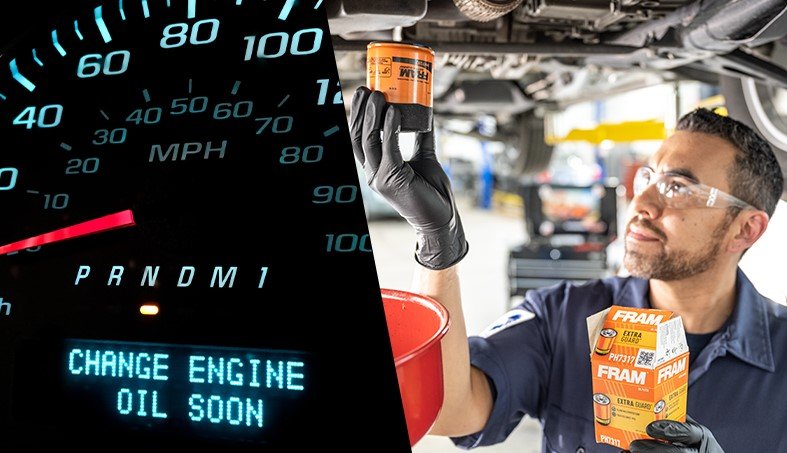
An oil filter plays a vital role in keeping your engine clean and running smoothly. Dirt, metal particles, and sludge can build up in your engine oil over time, causing wear and reducing performance.
A good oil filter traps these contaminants, protecting the engine from damage and extending its lifespan. Understanding how long an oil filter stays effective helps prevent costly repairs and keeps your vehicle operating efficiently.
Most standard oil filters last between 3,000 and 7,500 miles, but this range depends on driving conditions, oil type, and vehicle age. Severe conditions like extreme heat, heavy traffic, or dusty roads can shorten its lifespan, while synthetic oils may allow filters to last longer.
Regular maintenance, timely inspections, and following manufacturer recommendations ensure your engine stays healthy. Staying informed about oil filter longevity helps drivers save money, avoid engine problems, and maintain peak vehicle performance.
How Long is an Oil Filter Good For?
An oil filter keeps a car engine clean. It stops dirt, metal shavings, and other particles from circulating in the engine oil. Clean oil protects moving parts and keeps the engine running smoothly.
A worn-out oil filter can reduce oil flow, increase engine wear, and even cause engine failure. Knowing the lifespan of an oil filter helps prevent these problems and saves money on repairs.
This guide explains how long oil filters last, factors that affect them, and tips for keeping engines healthy.
How Oil Filters Work?
Oil filters remove harmful particles from engine oil. Every engine produces dirt, dust, and tiny metal pieces during normal operation. Oil carries these particles to the filter, which traps them.
Most filters have three main parts:
-
Filter media – Usually paper, cellulose, or synthetic fibers that trap dirt.
-
Center tube – Holds the filter shape and allows clean oil to flow.
-
Bypass valve – Lets oil flow if the filter clogs, preventing oil starvation.
Without a working filter, particles circulate in the engine. This can cause scratches on cylinders, wear on bearings, and reduced engine life.
Average Lifespan of an Oil Filter
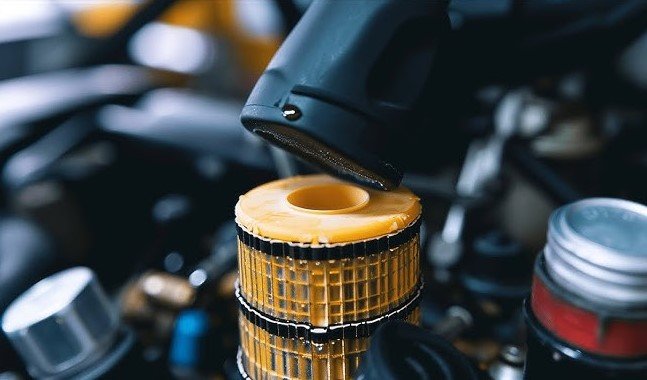
Oil filter lifespan depends on filter type, oil type, driving habits, and engine condition.
1. Standard Oil Filters
Standard oil filters last 3,000 to 5,000 miles or about 3 to 6 months. These filters are common in older cars or cars using conventional oil.
2. High-Mileage or Synthetic Oil Filters
High-mileage or synthetic oil filters last 7,500 to 10,000 miles. These filters use stronger materials and capture more dirt. They also handle synthetic oil, which lasts longer than conventional oil.
3. Extended-Life Oil Filters
Some premium filters last up to 15,000 miles, but this is only safe with high-quality synthetic oil and under ideal driving conditions.
4. Factors That Affect Lifespan
-
Driving conditions: Stop-and-go traffic, hot climates, dusty roads, or frequent towing shortens filter life.
-
Driving habits: Short trips prevent the engine from reaching optimal temperature. Oil becomes dirtier faster.
-
Oil type: Synthetic oil stays cleaner longer, extending filter life. Conventional oil can leave more sludge, requiring more frequent filter changes.
-
Engine condition: Older engines produce more metal debris and sludge, which clogs filters faster.
Signs an Oil Filter Needs Replacement
Checking the filter can prevent serious engine problems.
-
Engine noise: Worn filters can cause a ticking or knocking sound.
-
Oil warning light: This may indicate low oil pressure caused by a clogged filter.
-
Dirty oil: Oil that looks black or gritty shows the filter cannot clean properly.
-
Reduced performance: Acceleration may feel sluggish.
-
Oil leaks: Old filters can leak oil around the gasket area.
Checking the oil filter visually every oil change helps detect leaks, dents, or rust.
How Oil Filter Lifespan Compares to Oil Change Intervals?
Oil and filters work together to protect the engine. Here’s a breakdown:
| Oil Type | Filter Type | Typical Oil Change | Typical Filter Change | Notes |
|---|---|---|---|---|
| Conventional | Standard | 3,000–5,000 miles | 3,000–5,000 miles | Short lifespan, common in older cars |
| Synthetic | Standard or High-Mileage | 5,000–7,500 miles | 5,000–7,500 miles | Cleaner oil helps filter last longer |
| High-Mileage | Synthetic or Premium | 7,500–10,000 miles | 7,500–10,000 miles | For older engines or heavy-duty use |
| Premium Extended | Synthetic Premium | 10,000–15,000 miles | 10,000–15,000 miles | Only for high-quality oil and good driving conditions |
Following the right schedule ensures both oil and filter protect the engine fully.
Tips to Extend Oil Filter Life
-
Use the type of oil recommended by the car manufacturer.
-
Avoid skipping oil changes. Dirty oil clogs filters faster.
-
Avoid short trips in cold weather frequently. Engine oil needs proper temperature to work.
-
Keep the engine clean to reduce dirt and sludge buildup.
-
Always check the filter for leaks, rust, or damage during service.
Final Thoughts
Oil filters protect the engine by removing dirt, sludge, and tiny particles. Most filters last between 3,000 and 10,000 miles, depending on type, oil, and driving habits. Premium filters with synthetic oil can last longer under ideal conditions.
Timely replacement prevents engine wear, improves performance, and avoids costly repairs. Following the manufacturer’s oil and filter schedule is the safest way to keep engines running smoothly.
FAQs
1. Can I use an oil filter longer than recommended?
Yes, but it is risky. A clogged filter can reduce oil flow and cause engine damage.
2. Does synthetic oil make filters last longer?
Yes. Synthetic oil produces less sludge and stays cleaner, allowing the filter to last longer.
3. How often should I replace an oil filter?
Replace the filter every time you change the oil, or follow the manufacturer’s recommended mileage.
4. Can a dirty oil filter reduce fuel efficiency?
Yes. Reduced oil flow increases engine friction, which can slightly lower fuel efficiency.
5. Are high-mileage filters better for older cars?
Yes. High-mileage filters trap more dirt and debris, protecting engines that produce more metal particles.