
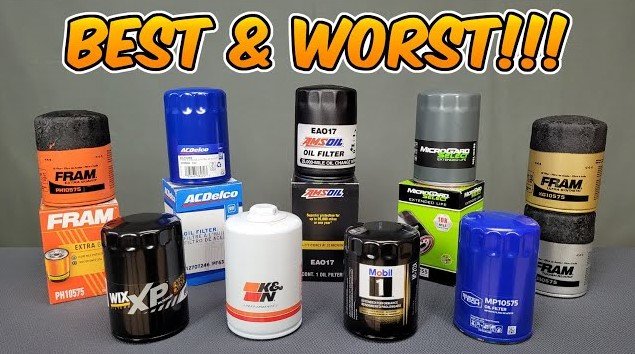
Oil filters look simple, yet they play a huge role in engine health. Many drivers treat them as basic parts and grab the cheapest option on the shelf. That habit often leads to hidden problems under the hood.
Oil flows through the filter every time the engine runs, and the filter traps dirt, metal particles, and sludge. Poor filtration allows harmful debris to circulate and slowly wear down engine parts. Strong filter construction also affects oil pressure and flow, which directly impacts performance.
Some brands focus on quality materials, smart design, and strict testing standards. Others cut corners to reduce cost. That difference shows up over time through engine noise, lower efficiency, or early repairs.
Brand choice does not always mean paying the highest price. Smart selection means understanding how design, materials, and reliability affect daily driving. This guide breaks down the real impact of oil filter brands and clears up common myths.
Do Oil Filter Brands Matter?
Oil filters play a quiet but critical role in engine health. Every drive creates heat, friction, and tiny metal bits. Oil moves those bits away. The oil filter traps them. Many drivers ignore the filter brand and focus only on oil type.
That choice can shorten engine life. This article explains in deep detail why oil filter brands matter, how filters differ, and what data shows about performance. Simple words. Clear ideas.
Why Clean Oil Matters So Much?
Engines contain many moving parts. Pistons, bearings, cams, and chains move thousands of times per minute. Oil reduces friction between these parts.
Dirty oil causes problems.
-
Friction increases
-
Heat rises
-
Parts wear faster
-
Fuel use increases
Studies from engine labs show that over 70% of engine wear happens because of dirty or degraded oil. Filters control how clean that oil stays.
What Happens Inside an Oil Filter?
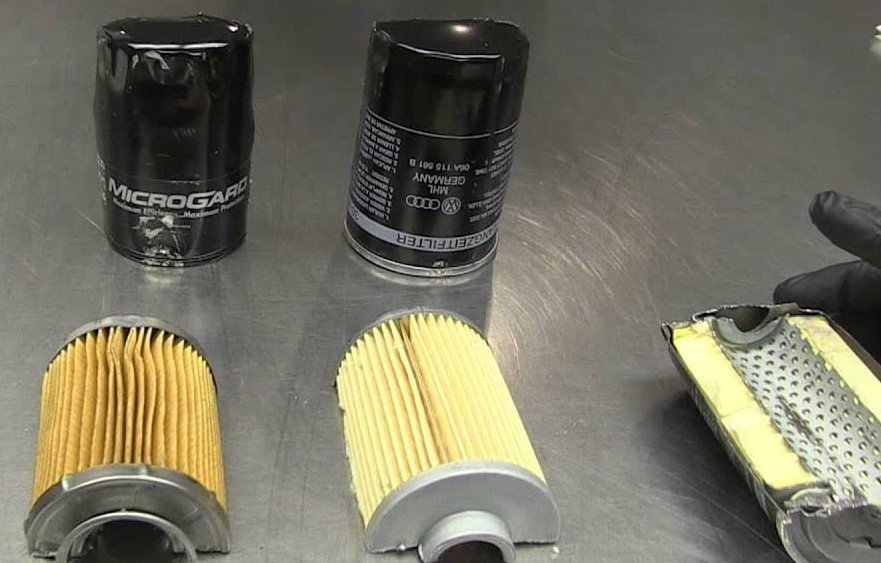
Oil enters the filter under pressure. The oil passes through filter media. Dirt stays trapped. Clean oil exits and returns to the engine.
This process repeats many times per minute.
A weak filter fails in three main ways.
-
Poor dirt capture
-
Low oil flow
-
Early clogging
Each failure harms the engine in a different way.
Filter Media Explained in Detail
Filter media is the heart of the filter.
Cellulose Media
Cellulose uses treated paper fibers. Many low-cost filters use it.
Facts about cellulose media:
-
Traps larger dirt only
-
Holds less debris
-
Breaks down faster under heat
Tests show cellulose filters often capture particles larger than 40 microns. Smaller particles still pass through.
Synthetic Media
Synthetic media uses man-made fibers.
Key data points:
-
Captures particles as small as 20 microns
-
Holds more dirt before clogging
-
Resists heat and oil breakdown
Engines produce many particles between 10 and 30 microns. Synthetic media traps more of them.
Blended Media
Blended filters mix paper and synthetic fibers.
Benefits include:
-
Better filtration than paper
-
Lower cost than full synthetic
-
Good balance for daily driving
Many mid-level brands use this design.
Filtration Efficiency and Real Numbers
Efficiency measures how well a filter traps dirt.
For example:
-
95% efficiency at 30 microns means 5 particles pass out of 100
-
99% efficiency means only 1 particle passes
Independent tests show premium filters reach 98–99% efficiency. Cheap filters often stay near 90–92%.
That small gap adds up over thousands of miles.
Dirt Holding Capacity
Capacity shows how much dirt a filter holds before clogging.
Low-capacity filters clog early. Oil then flows through the bypass valve. Unfiltered oil reaches the engine.
High-quality filters:
-
Hold more dirt
-
Maintain flow longer
-
Protect engines during long oil intervals
Data from fleet vehicles shows engines using high-capacity filters show less bearing wear after 100,000 miles.
Oil Flow Rate and Engine Safety
Oil must flow fast and steady. Too much resistance slows oil delivery.
Strong brands design filters to balance flow and filtration.
Poor designs cause:
-
Delayed oil pressure at start
-
Dry starts
-
Engine noise
Cold starts cause up to 60% of total engine wear. Good oil flow reduces that damage.
Anti-Drain Back Valve Quality
This valve keeps oil inside the filter when the engine stops.
Cheap valves use hard rubber. Heat makes them stiff. Oil drains out overnight.
Better brands use silicone valves.
Benefits of silicone valves:
-
Stay flexible in cold and heat
-
Prevent dry starts
-
Last longer
Engines with failed valves often rattle for seconds after start.
Bypass Valve Accuracy
The bypass valve opens when oil cannot pass through media fast enough.
Proper pressure rating matters.
Low-quality filters:
-
Open too early
-
Send dirty oil often
High-quality filters:
-
Open only when needed
-
Protect oil flow without losing filtration
Incorrect bypass pressure increases engine wear during cold starts.
Build Quality and Materials
Filter strength matters under high pressure.
Strong filters feature:
-
Thick steel cans
-
Solid base plates
-
Strong internal supports
Weak filters may collapse internally. Collapsed media blocks oil flow. Oil starvation follows.
Lab tests show some budget filters deform under high RPM oil pressure.
Engine Type and Filter Needs
Different engines stress filters differently.
Modern Direct Injection Engines
These engines create more soot and fine particles. Strong filtration helps control deposits.
Turbocharged Engines
Turbo bearings rely on clean oil. Fine dirt scratches surfaces fast.
High-efficiency filters reduce turbo wear.
High Mileage Engines
Wear increases with age. More metal particles enter oil. Better filters catch them before damage spreads.
Oil Change Interval Impact
Long oil intervals stress filters.
Cheap filters fail early during extended intervals. Media clogs faster. Bypass mode activates more often.
Quality filters support longer intervals safely.
Data from taxi fleets shows engines using better filters maintain oil pressure longer between services.
Common Misunderstandings
Many drivers believe myths.
All oil filters meet the same standard
Standards set minimum limits. Brands exceed them at different levels.
Filter does not matter with frequent oil changes
Even short intervals create dirt.
Bigger filter always works better
Design matters more than size.
How Poor Filters Increase Long-Term Costs?
Engine wear builds slowly.
Extra wear leads to:
-
Lower fuel efficiency
-
Oil burning
-
Early gasket failure
-
Costly repairs
Spending slightly more on a filter often saves thousands later.
How to Judge Oil Filter Quality Without Marketing?
Focus on facts.
-
Media type listed
-
Efficiency ratings
-
Valve material
-
Weight and build feel
Heavy filters often contain more media and stronger parts.
FAQs
Do oil filter brands matter for normal city driving?
Yes. Stop-and-go driving creates more debris and heat. Quality filters handle that stress better.
Can one bad oil filter damage an engine?
Yes. Oil starvation or dirty oil can cause permanent wear.
Does changing oil often remove the need for a good filter?
No. Dirt forms from the first minute of driving.
Are original equipment filters better?
Many match factory needs well. Aftermarket quality varies widely.
How much difference can a good filter make?
Long-term tests show reduced engine wear and steadier oil pressure over time.
Conclusion
Oil filter brands matter because design, materials, and testing differ greatly. Better filters trap more dirt, flow oil better, and protect engines longer.
Cheap filters often fail early and increase wear. Clean oil keeps engines alive. The oil filter controls that cleanliness. Smart choices today protect engines for years.