
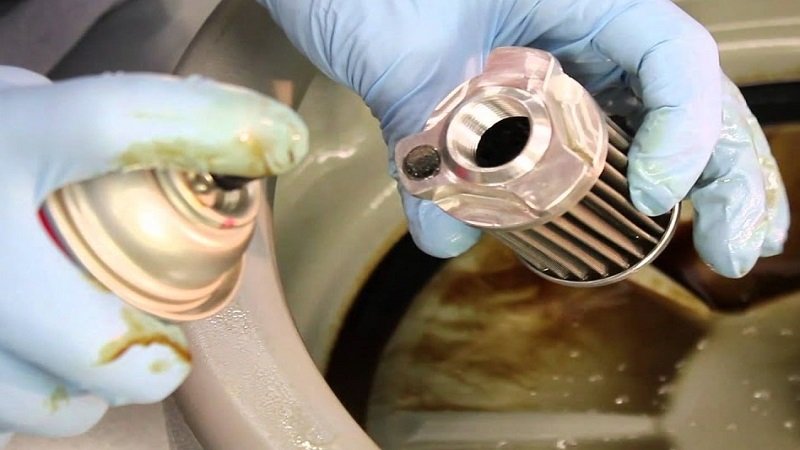
An oil filter keeps your engine healthy by trapping dirt, metal particles, and other debris that can damage engine parts. Dirty filters reduce engine efficiency and fuel economy, so cleaning or replacing them on time ensures your car runs smoothly.
Understanding the right way to clean an oil filter saves money and prevents future engine problems. A few basic tools, some protective gloves, and the right cleaning method make the task manageable even for beginners.
Knowing how to remove the filter safely, rinse out contaminants, and prepare it for reuse or replacement gives confidence in maintaining your vehicle.
Regular attention to the oil filter extends engine life and keeps performance high. This guide explains simple steps and practical tips that anyone can follow to clean an oil filter effectively.
How to Clean Oil Filter?
An oil filter protects your engine by removing dirt, metal particles, and other debris from engine oil. Dirty or clogged filters reduce oil flow, causing the engine to work harder.
This can lead to overheating, lower fuel efficiency, and engine wear. Cleaning a reusable oil filter regularly improves engine life and performance. This guide explains every step clearly so you can do it safely at home.
Tools and Materials Needed
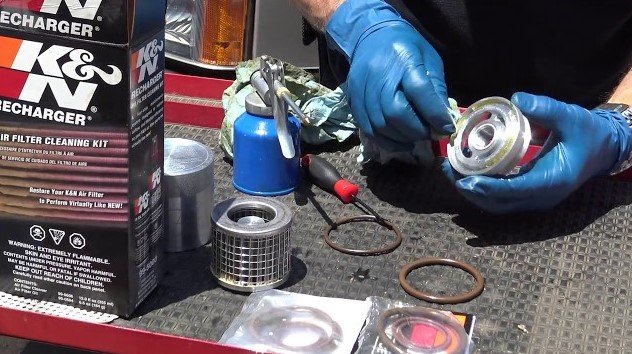
Gather all items before starting. This prevents mess and accidents.
-
Wrench or oil filter remover: Helps to loosen tight filters.
-
Bucket or container: To catch used oil.
-
Gloves: Protect your hands from hot oil and chemicals.
-
Clean rags or paper towels: For wiping oil and spills.
-
Dish soap or engine degreaser: To remove dirt and grease.
-
Old toothbrush or small soft brush: To scrub the filter.
-
Compressed air (optional): For drying small parts or hard-to-reach areas.
Step-by-Step Process to Clean an Oil Filter
1. Prepare the Area
Work on a flat surface, preferably in a garage or outside. Place newspapers or rags under your working area to catch spills. Keep a bucket ready for used oil. Make sure the engine is cool to avoid burns.
2. Remove the Oil Filter
-
Locate the oil filter. Check your vehicle manual if unsure.
-
Place the bucket under the filter to catch dripping oil.
-
Use a wrench or filter remover to turn the filter counterclockwise.
-
Slowly unscrew it by hand to avoid spilling oil.
-
Let all excess oil drain into the bucket.
3. Inspect the Filter Carefully
-
Look for cracks, holes, or tears.
-
Check the rubber gasket at the base. Replace it if worn or damaged.
-
Only clean reusable metal or mesh filters. Paper filters cannot be cleaned and must be replaced.
4. Wash the Filter
-
Prepare a cleaning solution using warm water and mild dish soap or degreaser.
-
Submerge the filter and let it soak for 10-15 minutes. This loosens oil and dirt.
-
Use a brush to scrub the filter gently, focusing on the mesh and metal surfaces. Avoid bending or damaging the structure.
-
Rotate the filter while cleaning to reach all sides.
5. Rinse Thoroughly
-
Rinse under warm running water.
-
Check for leftover dirt, oil, or soap. Residue can reduce filter efficiency.
-
Use a soft brush to remove stubborn particles.
6. Dry the Filter Properly
-
Shake off excess water.
-
Use clean rags or paper towels to pat dry.
-
Leave it in a ventilated area until completely dry. Avoid direct sunlight or heat that can damage rubber gaskets.
-
Optional: Use compressed air to blow out water from mesh or small holes.
7. Reinstall the Oil Filter
-
Apply a thin layer of clean oil on the rubber gasket. This ensures a proper seal.
-
Screw the filter back into place by hand. Avoid over-tightening to prevent damage.
-
Start the engine and check for leaks around the filter. Stop the engine if any oil drips appear.
Extra Tips for Oil Filter Cleaning
-
Always wear gloves to protect skin from oil and chemicals.
-
Use a container for used oil. Dispose of it at an authorized recycling center. Never pour oil into drains or soil.
-
Regular cleaning schedule: Clean reusable filters every 5,000 miles or according to the manufacturer’s guide.
-
Keep tools and rags organized to avoid accidents.
-
Check oil level after reinstalling. Cleaning may remove trapped oil. Top up if needed.
Common Mistakes to Avoid
-
Using harsh chemicals that can damage filter material.
-
Over-tightening the filter when reinstalling.
-
Skipping inspection; damaged filters reduce engine protection.
-
Not drying the filter completely before use.
-
Pouring old oil into the environment instead of proper disposal.
FAQs About Cleaning Oil Filters
Can all oil filters be cleaned?
No. Only reusable metal or mesh filters can be cleaned. Paper filters must be replaced.
How often should a reusable oil filter be cleaned?
Every 5,000 miles is standard. Engines under heavy use may need more frequent cleaning.
Is it safe to reuse a cleaned filter?
Yes, if it is undamaged and fully dry. Always check the gasket and mesh before reinstalling.
What cleaning solutions work best?
Mild dish soap, engine degreaser, or warm water. Avoid strong acids or solvents that weaken the metal or rubber parts.
Can I clean a hot oil filter?
No. Let the engine cool to prevent burns and filter damage.
Conclusion
A clean oil filter improves engine efficiency, protects components, and reduces maintenance costs. Follow the full process: prepare, remove, inspect, wash, rinse, dry, and reinstall.
Check for leaks and ensure the gasket seals correctly. Regular cleaning keeps your engine running smoothly and extends its life.