
Where Is an Oil Filter Located?
An oil filter cleans the oil before the oil reaches engine parts. Metal dust, carbon, and dirt form inside every engine. The filter traps these tiny bits.
Clean oil flows to bearings, pistons, and valves. Parts move smooth and stay cool. The engine runs quiet and lasts longer.
Oil moves from the oil pan to the oil pump. The pump sends oil to the filter. The filter cleans the oil. Then clean oil moves through small channels to all engine parts. No filter. No clean oil. Big damage.
Main Places Where an Oil Filter Sits
Car makers choose the spot based on engine design and space. Most filters sit close to the engine for fast oil flow.
On the Side of the Engine Block
This spot appears in many older and mid-size cars. The filter screws straight into the engine block. The round metal body hangs on the side.
Access stays easy from under the car. A mechanic reaches the filter with one hand. Oil drains straight down. This place helps oil reach the filter fast. Short oil paths protect the engine.
Near the Bottom of the Engine
Some engines place the filter low near the oil pan. The filter points down or sideways. This design allows gravity to help oil drain.
Oil flows out fast during a change. Road dirt and heat reach this area. A shield may cover the filter. Care stays important in this tight space.
On the Top of the Engine
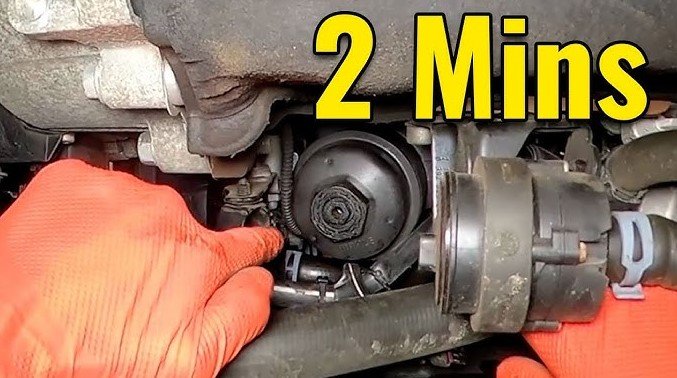
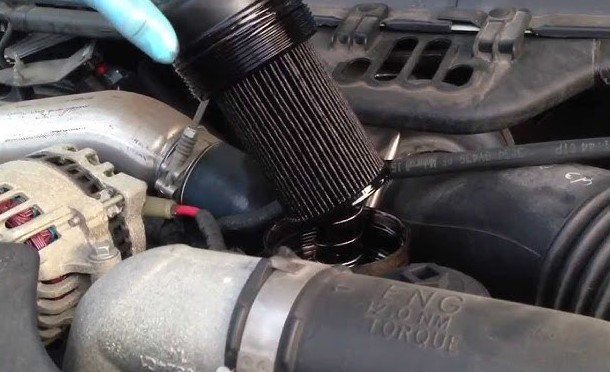
Many modern cars use a top-mounted oil filter. The filter sits inside a plastic or metal housing. This spot stays clean and easy to reach.
No need to lift the car. Oil spills less. Car makers use this place to save space under the engine. Plastic covers often hide the housing.
Remote Oil Filter Location
Large trucks and some SUVs use a remote filter system. Hoses move oil from the engine to a filter mounted on the frame or near the radiator. This design allows big filters and easy service. Race cars and heavy engines often use this style.
Oil Filter Location by Engine Type
Engine layout changes the filter position.
Inline Engines
Inline four and inline six engines often place the filter on the side or bottom of the block. Space stays open and simple.
V-Type Engines
V6 and V8 engines may place the filter between cylinder banks or near the front cover. Tight space makes access harder in some models.
Diesel Engines
Diesel engines use larger filters. Many place the filter high on the engine for easy reach. Some use two filters in one system.
Oil Filter Location by Vehicle Type
Each vehicle class follows its own design.
Small Cars and Sedans
Most sedans place the filter near the oil pan or on the front side of the engine. Access stays simple during oil changes.
SUVs and Pickup Trucks
Many trucks mount the filter low near the frame rail or front axle. Skid plates may cover the filter. Heavy trucks often use remote filters.
Sports Cars
Low ground clearance forces the filter to sit high or deep inside the engine bay. Plastic shields protect the filter from road hits.
How to Find the Oil Filter Step by Step
Follow this easy plan.
- Open the hood and find the engine block.
- Look for a round metal can or plastic cap.
- Check both sides of the engine.
- Look near the oil pan under the car.
- Follow the oil line from the oil pump area.
- Read the owner manual for a picture guide.
A flashlight helps in dark corners.
Signs That Show the Oil Filter Location
- Oil stains often mark the filter spot.
- Heat shields point toward hot parts and filters.
- Drain plugs sit close to the filter in many cars.
- Plastic covers hide top-mounted filters.
Problems Caused by Hard Oil Filter Locations
- Tight space slows the job.
- Hot parts burn hands.
- Oil spills reach belts and sensors.
- Wrong angle makes the filter stick.
Short tools and patience solve most problems.
Safety Tips Before Touching the Oil Filter
- Let the engine cool fully.
- Wear gloves to protect skin.
- Place a drain pan under the filter.
- Use a proper filter wrench.
- Clean the mounting surface before a new filter goes on.
Small care saves big trouble.
Extra Information About Oil Filter Design
Oil filters use paper or fiber media inside. A bypass valve opens when the filter clogs. An anti-drain valve keeps oil inside the filter after engine stop.
These parts help protect the engine at cold start. Top-mounted filters often use cartridge style filters. Bottom filters usually use spin-on metal filters.
FAQs
Where is an oil filter located in most cars?
Most cars place the filter on the engine block or near the oil pan.
Can an oil filter sit on top of the engine?
Yes. Many new cars place the filter in a housing on top.
Why do some cars use remote oil filters?
Large engines need more space and better cooling.
How long does an oil filter last?
One oil change cycle. Many drivers change the filter every 5,000 to 10,000 kilometers.
Can I drive with a loose oil filter?
No. A loose filter leaks oil and damages the engine fast.
Conclusion
The oil filter usually sits on the engine block, near the oil pan, or on top of the engine. Some trucks use a remote system. Each design helps oil flow fast and clean.
A quick search under the hood and under the car shows the exact spot. Clean oil and a good filter keep the engine strong for many years.