
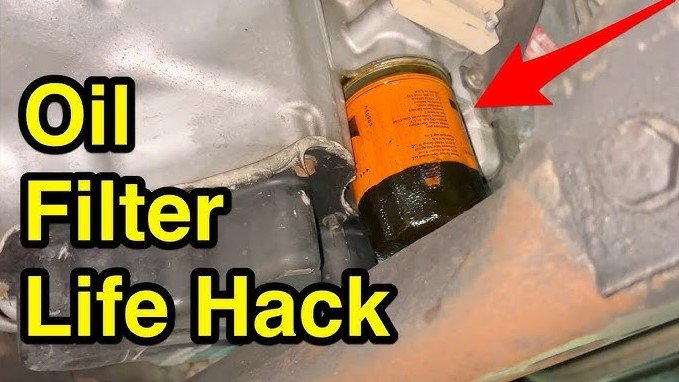
Many drivers ask a simple question before heading to the garage: can a new oil filter work with old oil? Car care often feels confusing, especially with mixed advice from friends, mechanics, and online forums.
A clean filter protects the engine, traps dirt, and keeps oil flowing at the right speed. Old oil still carries heat, sludge, and tiny metal bits that build up over time. Replacing only the filter may sound like a smart shortcut, yet that choice can affect engine health and long-term performance.
Smart maintenance saves money, prevents damage, and extends engine life. Clear facts help drivers avoid costly mistakes and choose the right service schedule.
This guide explains how oil and filters work together, what risks come with partial changes, and when a filter-only swap makes sense. Simple tips, expert insights, and real-world examples will help every driver make a confident decision before the next service visit.
Can I Change My Oil Filter without Changing Oil?
Many car owners ask one clear question. Can a driver change the oil filter without changing the oil? This topic matters because engine life depends on clean oil.
A wrong choice can cause damage and high repair cost. A right choice can save time and money. Clear facts help every driver make a smart decision.
Can You Change Only the Oil Filter?
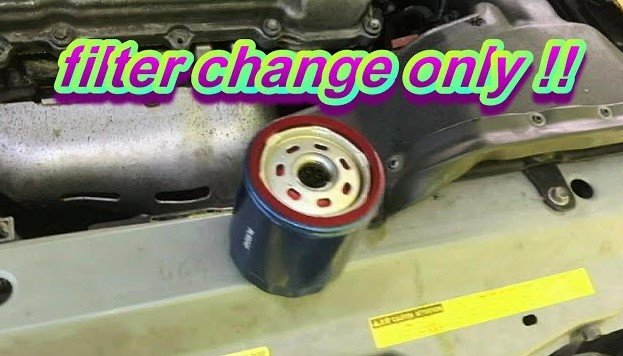
Yes, a driver can change only the oil filter in special cases. Fresh oil can still protect the engine after a short time. A dirty filter can block oil flow and trap less dirt. A new filter can fix that problem.
Old oil cannot protect the engine well. A filter change alone cannot clean bad oil. Clean oil and a clean filter work best as a team.
How an Oil Filter Works?
An oil filter removes dirt, metal, and dust from engine oil. Clean oil flows through small engine parts and keeps them cool. Dirty oil can scratch metal and cause heat.
A clogged filter slows oil flow. Low oil flow can damage bearings and seals. A fresh filter restores normal flow.
Times This Method Makes Sense
This method works only in limited cases:
- Oil change happened very recently
- Oil looks light brown or clear
- Engine runs smooth and quiet
- Filter shows signs of clogging
Fresh oil with a blocked filter can cause low pressure. A quick filter swap can solve that problem.
Times to Avoid This Method
Some cases need a full oil change:
- Oil looks black or thick
- Oil smells burnt
- Long time passed since last service
- Engine runs hot or noisy
Dirty oil stays inside the engine after a filter change. This risk can wear parts fast and shorten engine life.
Benefits of Changing Only the Filter
A few small benefits exist.
This step saves time during a busy day. A new filter traps fresh dirt better. Oil flow improves at once. The engine may sound smoother for a short time.
This method can help drivers who changed oil very recently and noticed a bad filter.
Risks of Changing Only the Filter
Old oil holds metal dust and carbon. A new filter cannot remove all that waste. Dirty oil keeps moving through the engine.
This choice can cause:
- Faster engine wear
- Dirty oil buildup
- Low oil pressure
- Shorter oil life
Long use of dirty oil can lead to sludge. Sludge can block oil paths and cause major damage.
How to Change the Oil Filter without Draining Oil?
Tools You Need
Simple tools work well:
- Correct new oil filter
- Oil filter wrench
- Clean rag or paper towel
- Small drain pan
- Fresh engine oil for topping up
Step by Step Guide
Park the car on flat ground. Turn off the engine and wait ten minutes. Hot oil can burn skin.
Place the pan under the filter. Turn the old filter by hand or with the wrench. Remove the filter slowly. A small amount of oil will drip out.
Clean the filter seat with a rag. Check the old rubber ring. Make sure the ring did not stick to the engine.
Rub a thin layer of fresh oil on the rubber ring of the new filter. Screw the new filter by hand. Tighten until snug. No hard force needed.
Start the engine and let it run for one minute. Check under the car for leaks. Turn off the engine and check the oil level. Add a little oil if the level dropped.
How Much Oil Do You Lose During Filter Change?
Most cars lose half a cup or less. Some engines lose more. The oil level may drop slightly. A quick check after the change keeps the level safe.
Low oil can harm the engine fast. Always check the dipstick after the job.
How Often Should You Replace the Oil Filter?
Most engines need a new filter with every oil change. Many drivers change oil every 5,000 to 7,000 kilometers.
Short trips, hot weather, and dusty roads can shorten this time. A clean filter helps oil move fast and cool engine parts.
Can This Method Extend Oil Life?
A new filter can help oil stay clean for a short time. This method cannot replace a full oil change. Oil loses strength with heat and time.
Only fresh oil can restore full protection. This method works only as a short fix, not a long term plan.
Expert Tips for Better Engine Care
Simple habits protect the engine:
- Check oil color once each month
- Follow the service guide in the car manual
- Use the correct oil grade
- Buy good quality filters
- Avoid long drives with dirty oil
Good care can add years to engine life.
FAQs
Can I drive after changing only the oil filter?
Yes, short drives work fine with clean oil and a new filter. Long trips need fresh oil for better safety.
Will this method save money?
This step saves a small amount of money for a short time. Full oil changes cost more but protect the engine better.
Does a new filter clean old oil?
No, a filter only traps new dirt. Old dirt and carbon stay in the oil.
How long can I run old oil with a new filter?
Short use works fine with fresh oil. Long use with old oil can cause damage.
Can this harm my engine?
Dirty oil can harm parts even with a new filter. Fresh oil gives the best protection.
Conclusion
Changing only the oil filter can help in special cases with fresh oil. Old and dirty oil needs a full change to protect the engine. Smart service keeps the engine strong and running smooth.