
A car battery that spends weeks or months in storage faces gradual self-discharge and possible parasitic drain from alarms, clocks, computers, and other electronics. Lead-acid batteries can also suffer permanent capacity loss when they remain partially discharged for extended periods, making storage performance different from everyday starting performance.
AGM batteries can be a strong choice for vehicles that sit for long periods because they generally tolerate storage better and have lower self-discharge than conventional flooded batteries. Battery type still needs to match the vehicle, and a healthy battery should be fully charged before storage. A compatible smart battery maintainer can then keep the battery at an appropriate charge level throughout the storage period.
This guide compares five car batteries for storage based on battery chemistry, cold-cranking amps, reserve capacity, self-discharge characteristics, durability, warranty coverage, and compatibility with long-term maintenance charging. The selections focus on vehicles that may sit unused for weeks or months, including classic cars, seasonal vehicles, and secondary cars, while emphasizing proper fitment and battery maintenance as key factors in storage reliability.
5 Best Car Battery For Storage
| Image | Title | Best For | Link |
|---|---|---|---|
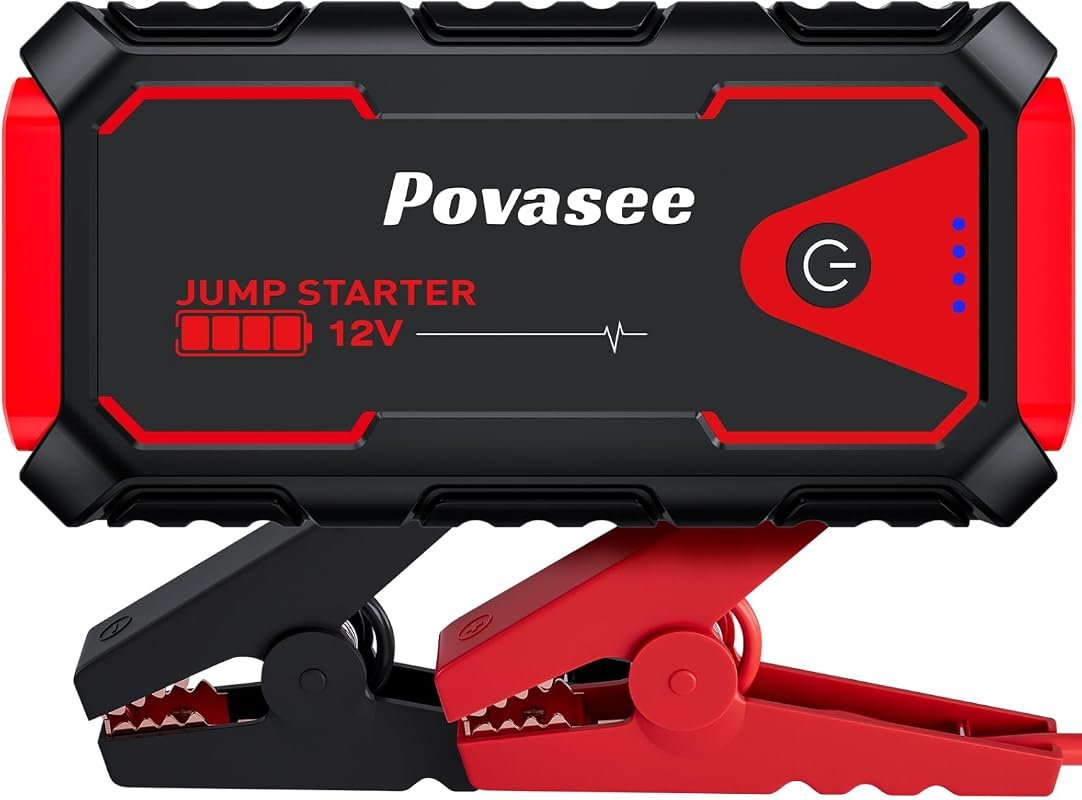 |
Povasee A30 Car Jump Starter | Emergency backup power and jump starting large engines. | View on Amazon |
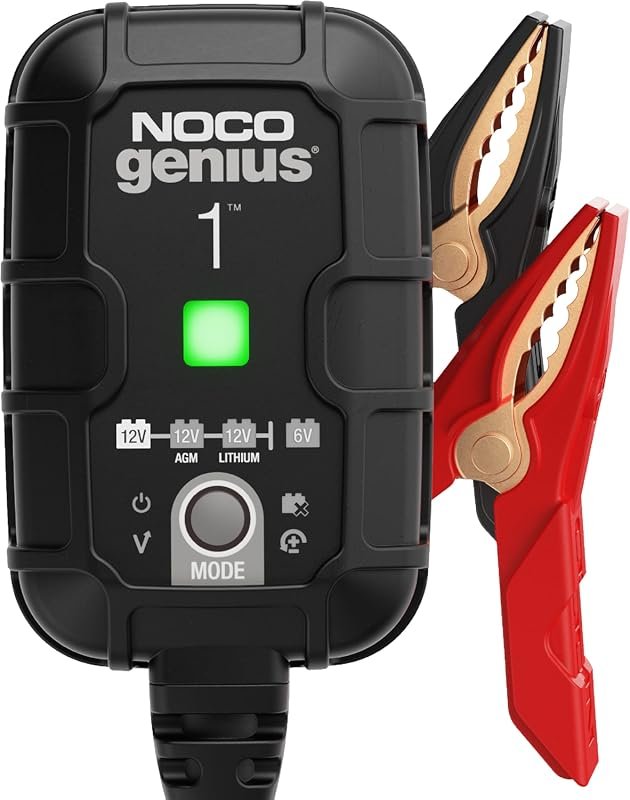 |
NOCO GENIUS1 Smart Charger | Long-term maintenance and battery health during storage. | View on Amazon |
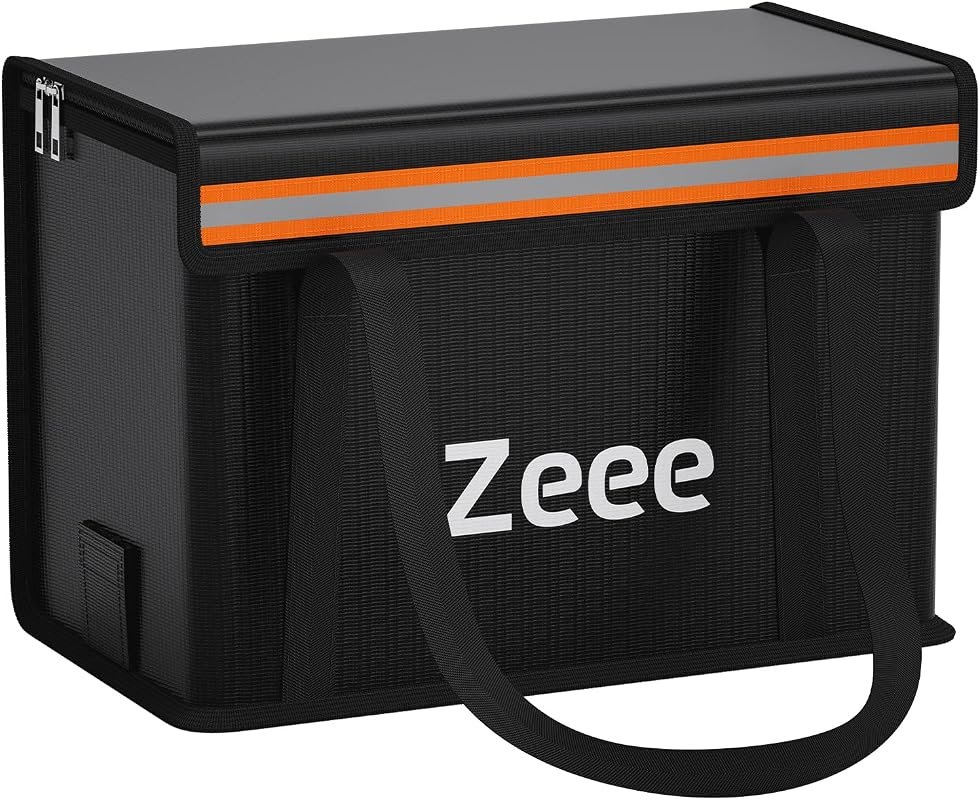 |
Zeee Fireproof Battery Bag | Safe storage of high-capacity lithium battery packs. | View on Amazon |
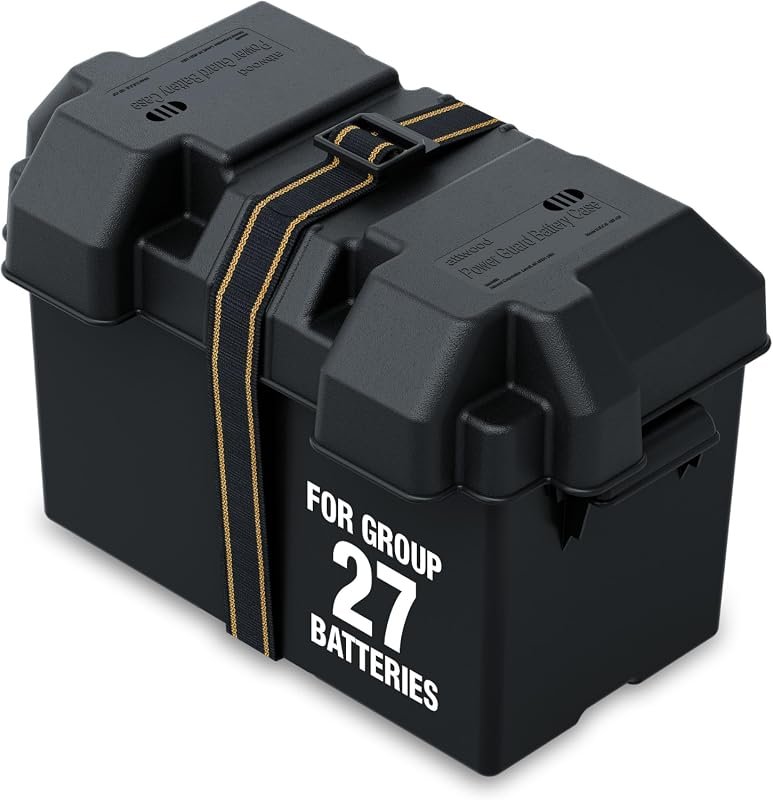 |
Attwood 9067-1 Battery Box | Rugged physical protection for marine and RV batteries. | View on Amazon |
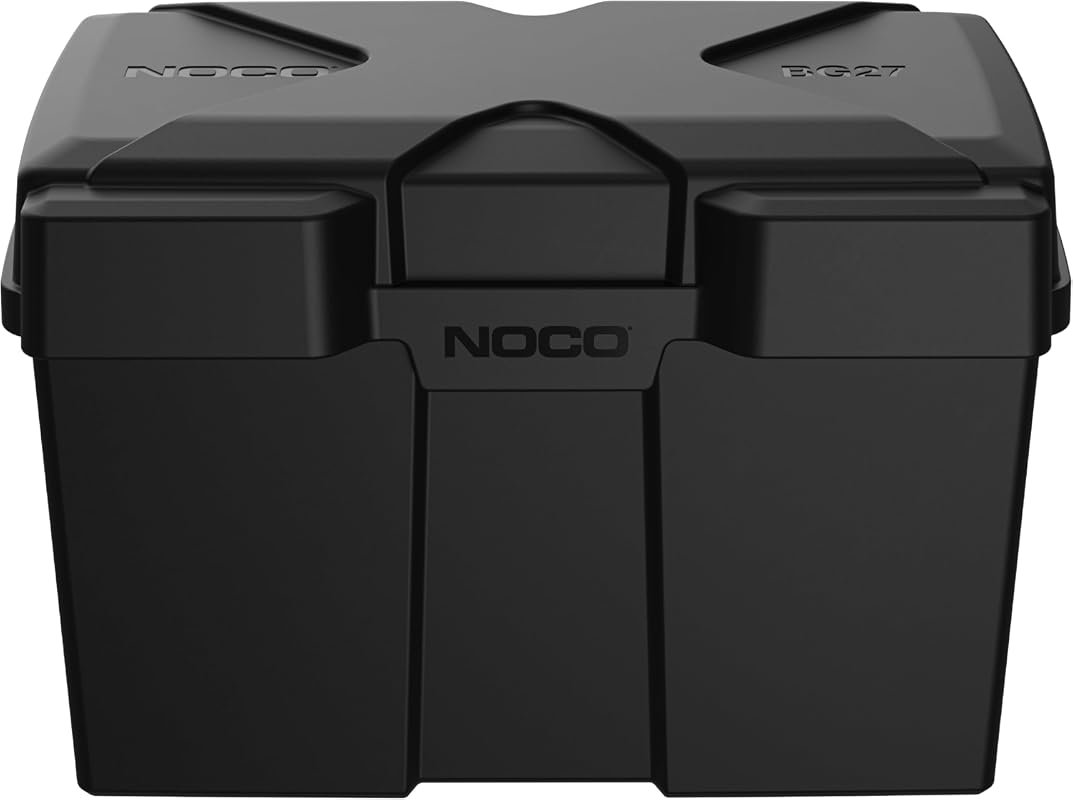 |
NOCO BG27 Battery Box | Heavy-duty, secure storage for 12V batteries. | View on Amazon |
Our Top 5 Best Car Battery For Storage Reviews – Expert Tested & Recommended
1. Povasee A30 Car Jump Starter
The Povasee A30 is a powerhouse for anyone worried about a dead battery after long periods of storage. It packs enough punch to turn over large engines, making it a reliable insurance policy for your vehicle.
Key Features That Stand Out
✓ Massive 5000A peak current capable of starting 10L gas or 8L diesel engines.
✓ Versatile dual USB ports that allow you to charge devices during emergencies.
✓ Quick-charge technology for rapid power replenishment.
✓ Built-in LED light for added visibility during roadside troubleshooting.
Why We Recommend It
We love this unit because it does double duty as a jump starter and a power bank. It provides peace of mind when your vehicle battery inevitably loses charge during extended downtime.
Best For
Best for drivers who store large vehicles and need a high-amperage backup for emergency starts.
Pros and Cons at a Glance
2. NOCO GENIUS1 Smart Charger
If you want the ultimate tool for car battery storage, the NOCO GENIUS1 is it. This smart charger maintains your battery by monitoring temperature and providing the exact amount of charge needed to prevent sulfation.
Key Features That Stand Out
✓ Compatible with 6V and 12V lead-acid and lithium-ion batteries.
✓ Integrated thermal sensor adjusts charging based on ambient temperatures.
✓ Compact design that is 35% smaller than its predecessor.
✓ Fully automatic, “set-it-and-forget-it” operation.
Why We Recommend It
This is the gold standard for long-term storage. By keeping a trickle charge on your battery, it prevents the voltage drop that kills batteries during winter storage.
Best For
Best for classic car owners and those who park their vehicles for long periods.
Pros and Cons at a Glance
3. Zeee Fireproof Battery Bag
If you are storing spare batteries, safety is paramount. The Zeee Fireproof Battery Bag provides a heat-resistant, safe environment for your lithium batteries, preventing potential accidents during transit or long-term storage.
Key Features That Stand Out
✓ Constructed from premium fireproof fabric and PVC fiber.
✓ Withstands temperatures up to 1000℉.
✓ Portable design with side access for easy charging cable routing.
Why We Recommend It
Battery fires are rare but catastrophic. This bag is a cheap way to add a layer of physical safety to your workshop or garage shelves.
Best For
Best for hobbyists storing lithium-based power packs.
Pros and Cons at a Glance
4. Attwood 9067-1 Vented Battery Box
The Attwood 9067-1 is a staple for marine and RV enthusiasts. This rugged, vented box protects your battery from physical impact and environmental hazards.
Key Features That Stand Out
✓ Acid-resistant polypropylene construction.
✓ Vented design allows dangerous gases to escape safely.
✓ Includes a heavy-duty mounting strap for security.
Why We Recommend It
It is built to last. If you store a battery in a place that gets bumped or knocked around, this container ensures your battery stays intact and safe.
Best For
Best for Group 27 marine and automotive batteries needing physical protection.
Pros and Cons at a Glance
5. NOCO BG27 Snap-Top Battery Box
The NOCO BG27 is a refined version of the classic battery box. With a snap-top lid and reinforced walls, it is an excellent choice for keeping your batteries secure and clean.
Key Features That Stand Out
✓ Rigid, reinforced structure for maximum impact protection.
✓ Snap-top design for easy and secure lid closure.
✓ Pre-drilled pilot holes for easy mounting.
Why We Recommend It
NOCO is a trusted name, and this box lives up to the reputation. It is easy to use and provides a tidy, professional look for your battery storage setup.
Best For
Best for automotive and RV batteries that need to be secured in place.
Pros and Cons at a Glance
Complete Buying Guide for Car Battery Storage
Essential Factors We Consider
When storing a battery, you need to manage three main enemies: temperature, discharge, and physical damage. Always ensure the storage area is cool and dry, as heat accelerates chemical decay. If you use a battery box, ensure it is vented to prevent gas buildup. For long-term storage, a smart charger is non-negotiable to maintain the health of the cells.
Budget Planning
You do not need to spend a fortune to keep your battery safe. Simple vented battery boxes are very affordable, while smart chargers represent a small, one-time investment that will save you the cost of replacing batteries every few years. Budgeting for a quality charger is the best way to extend your battery’s lifespan.
Final Thoughts
The right approach to storage depends on how long your battery will be inactive. For seasonal storage, prioritize a smart charger. For physical protection during transport or in rugged environments, a solid battery box is the way to go. Whichever option you choose, keeping your battery safe and charged will keep your car ready for the road whenever you are.
Frequently Asked Questions
Q: Can I store a car battery on concrete?
A: Modern batteries are made of plastic and are not affected by concrete surfaces. However, it is always a good idea to place them in a storage box for safety and to protect the terminals.
Q: How often should I charge a stored car battery?
A: If you are using a smart trickle charger, you can leave it connected indefinitely. If not, you should check the voltage and recharge every month to prevent permanent damage.
Q: What is the ideal temperature for battery storage?
A: Ideally, store your battery in a cool, dry place. Temperatures between 40°F and 60°F are perfect for slowing down chemical reactions while keeping the battery stable.