
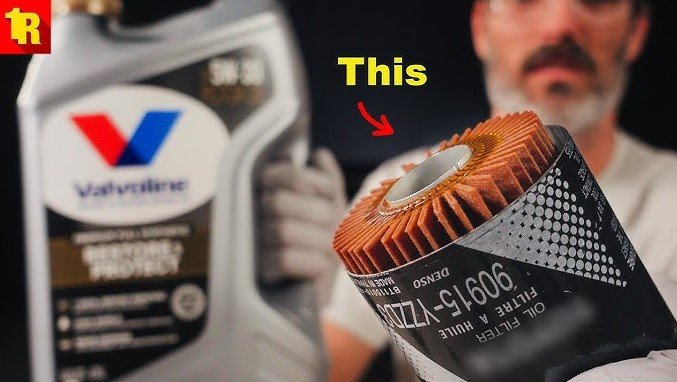
Valvoline remains one of the most trusted names in car maintenance. Many drivers wonder whether a routine oil change at Valvoline includes replacing the oil filter. Knowing what services a shop provides can save time, money, and prevent unnecessary trips.
Valvoline’s certified technicians follow clear procedures during each service visit. They check your vehicle’s oil level, inspect the filter, and replace it when necessary to maintain engine health. Skipping the oil filter replacement can reduce oil efficiency and increase wear on engine components.
Valvoline also offers multiple service options depending on your car type and mileage. Understanding what comes with each service package helps drivers make informed decisions.
This guide explains exactly how Valvoline handles oil filter replacement, what you should expect during a visit, and tips to ensure your vehicle stays in top condition after every oil change.
Does Valvoline Change Oil Filter?
Oil keeps your car engine running smoothly. It reduces friction, prevents overheating, and carries dirt and tiny particles away from engine parts.
Oil filters play a critical role by trapping these particles and keeping the oil clean. Many car owners ask: Does Valvoline change the oil filter during an oil service?
The answer is yes. Valvoline not only changes the engine oil but also replaces the oil filter in almost every standard service. This article explains the process, types of filters, extra services, and why it matters for your car’s health.
Valvoline Oil Change Services
Valvoline offers different types of oil changes depending on your car and driving habits:
-
Conventional Oil Change: Standard oil for everyday vehicles.
-
High-Mileage Oil Change: Designed for cars with over 75,000 miles. Contains special additives to reduce leaks and engine wear.
-
Full Synthetic Oil Change: Provides maximum protection, better performance, and lasts longer.
During each service, Valvoline technicians check other important parts like belts, fluids, tire pressure, and lights.
Oil Filter Replacement at Valvoline
Valvoline always replaces your oil filter unless you request otherwise. Here’s how they do it:
-
Drain Old Oil: Technicians remove the old oil from the engine using a drain plug.
-
Remove Old Filter: The old oil filter is unscrewed carefully. Old oil may still be inside, so technicians handle it safely.
-
Install New Filter: A new oil filter is lubricated and installed. The seal must be tight to prevent leaks.
-
Add Fresh Oil: The engine gets the correct amount and type of new oil.
-
Check for Leaks: After adding oil, technicians start the engine and inspect for leaks around the filter.
Replacing the oil filter keeps the new oil clean longer. Dirty filters can reduce oil flow, increase engine wear, and cause overheating.
Types of Oil Filters Used
Valvoline uses high-quality oil filters designed for different engines and cars.
-
Standard Filters: For everyday cars and trucks.
-
High-Mileage Filters: Extra protection for older engines.
-
Synthetic Filters: Used with synthetic oils; they last longer and handle extreme temperatures.
Technicians ensure the filter matches your car’s make and model. Using the wrong filter can cause oil leaks or engine damage.
How to Prepare for Your Oil Change?

Preparing your car helps the service go faster and avoids mistakes. Some tips:
-
Check your car’s manual for recommended oil type and oil change interval.
-
Note your current mileage to track when the next service is due.
-
Remove items from the engine area that may block access.
-
Ask staff about extra services like air filter replacement or battery check.
Extra Services at Valvoline
Valvoline can also check other parts of your car during the oil change:
-
Fluid Levels: Coolant, brake fluid, and windshield washer fluid.
-
Belts and Hoses: Detect cracks or wear that may cause failure.
-
Battery and Lights: Ensures safe operation.
-
Air Filter Cleaning or Replacement: Keeps the engine breathing clean air.
These extra services may cost a small fee but help avoid bigger repairs later.
Benefits of Changing Oil Filter at Valvoline
-
Professional Installation: Staff know how to remove and install filters safely.
-
Correct Filter Use: Ensures the filter fits your engine perfectly.
-
Clean Oil: A fresh filter keeps oil free from debris.
-
Prevents Engine Damage: Old filters can clog and cause overheating or oil starvation.
-
Time-Saving: Professionals finish the oil change quickly without mess.
Tips for Maintaining Your Oil and Filter
-
Change oil every 3,000–7,500 miles depending on your car and oil type.
-
Replace the filter with every oil change.
-
Monitor oil levels monthly to avoid running low.
-
Listen for engine noise; unusual sounds may indicate dirty oil or a clogged filter.
FAQs
1. Does Valvoline change oil filters for all car types?
Yes. Valvoline replaces standard, high-mileage, and synthetic oil filters for most cars and trucks.
2. Can I skip the filter replacement?
Technically yes, but skipping increases engine wear and reduces oil life. Professionals recommend changing the filter every time.
3. How long does a Valvoline oil change take?
A standard oil change with filter replacement usually takes 15–30 minutes. Extra checks may add more time.
4. Do I need to bring my own oil or filter?
No. Valvoline provides the correct oil and filter for your car.
5. What happens if I use the wrong filter?
Using a wrong filter can cause leaks, poor oil flow, or engine damage. Valvoline ensures the correct fit.
6. How often should I check my oil?
Check at least once a month or before long trips. Keep oil at the recommended level to avoid engine problems.
Conclusion
Valvoline replaces your oil filter in almost every standard oil change. Using a fresh filter ensures clean oil, better engine protection, and longer engine life.
Technicians use the correct filter for your car and perform extra checks to prevent problems. Regular oil and filter changes are a simple but important step to keep your vehicle running safely and efficiently.
Choosing professional service saves time, ensures proper care, and reduces risk of engine damage.