
Premature babies often need a car seat that can fit a much smaller body than a typical newborn. Many infant seats start at 4 or 5 pounds, while some models accept babies from 3 pounds. A rear-facing infant seat with a low harness position can help provide a better fit for a tiny baby.
The minimum weight is only one part of the fit. Harness height, crotch strap position, recline angle, and the included newborn insert also matter. The harness should sit at or below the baby’s shoulders and stay snug without extra padding that the manufacturer does not approve. Some hospitals also perform a car seat test before a premature baby leaves the NICU.
This guide covers five of the best car seats for preemie babies with different sizes, needs, and budgets. We considered minimum weight, harness fit, newborn support, recline adjustment, installation, size, and ease of use. These picks can help parents compare seats that accommodate smaller infants and prepare for the first ride home.
5 Best Car Seats For Preemie
| Image | Title | Best For | Link |
|---|---|---|---|
 |
Maxi-Cosi Mico Pro Infant Car Seat | Premium comfort and safety features for low-birthweight infants starting at 4 lbs. | View on Amazon |
 |
Baby Trend EZ-Lift Plus Car Seat | Lightweight design that makes frequent transport easier for tired parents. | View on Amazon |
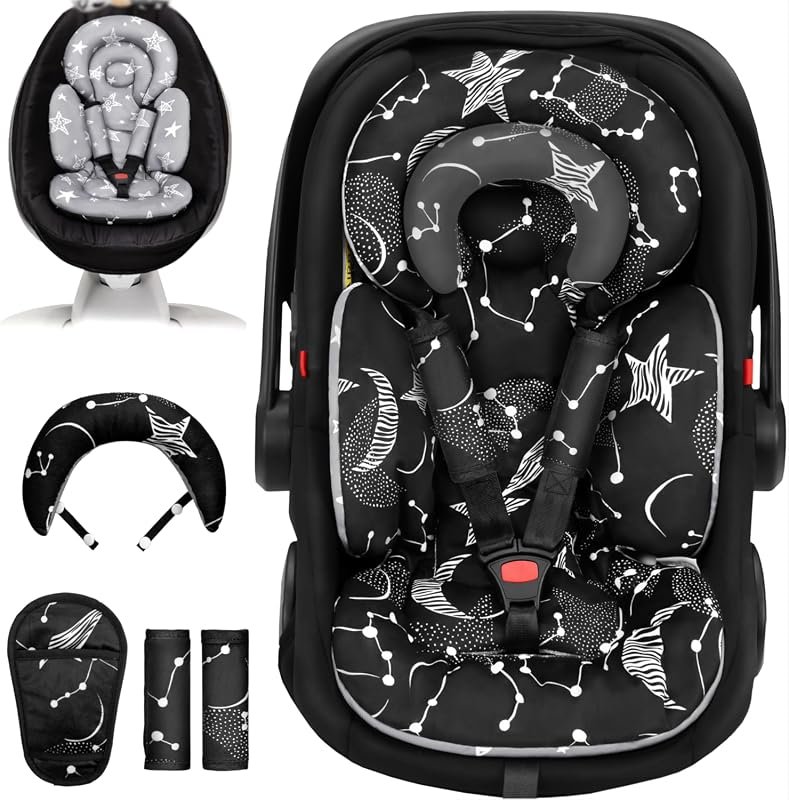 |
Tinlyfinly Infant Car Seat Insert | Affordable and versatile support for preemies in various seating environments. | View on Amazon |
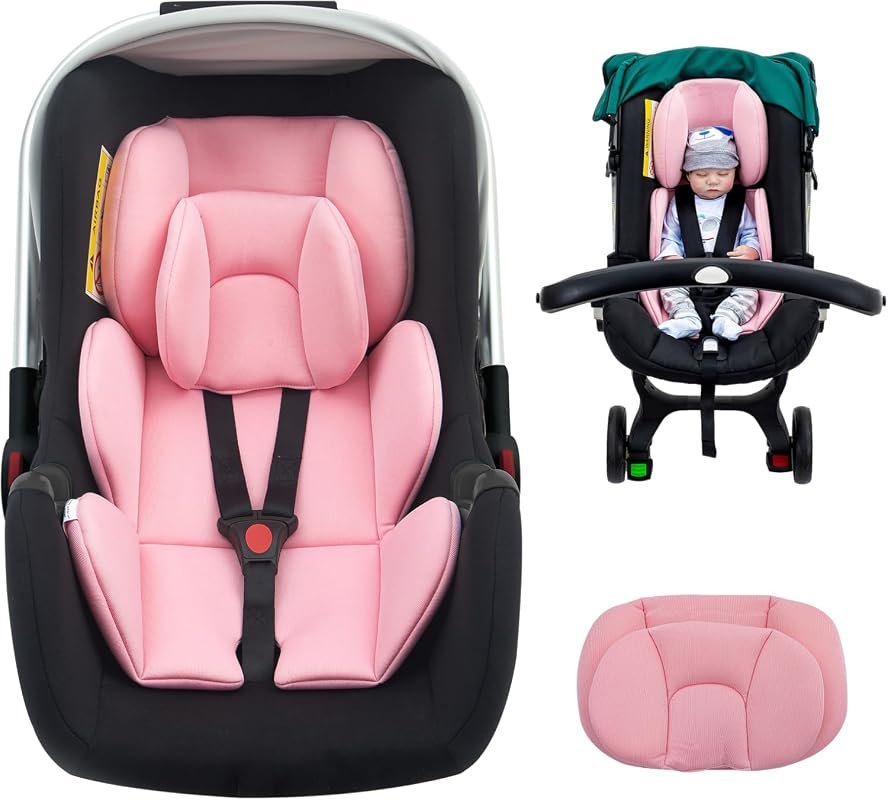 |
Adjustable Infant Car Seat Insert | Enhanced head support with thick cushioning for delicate newborns. | View on Amazon |
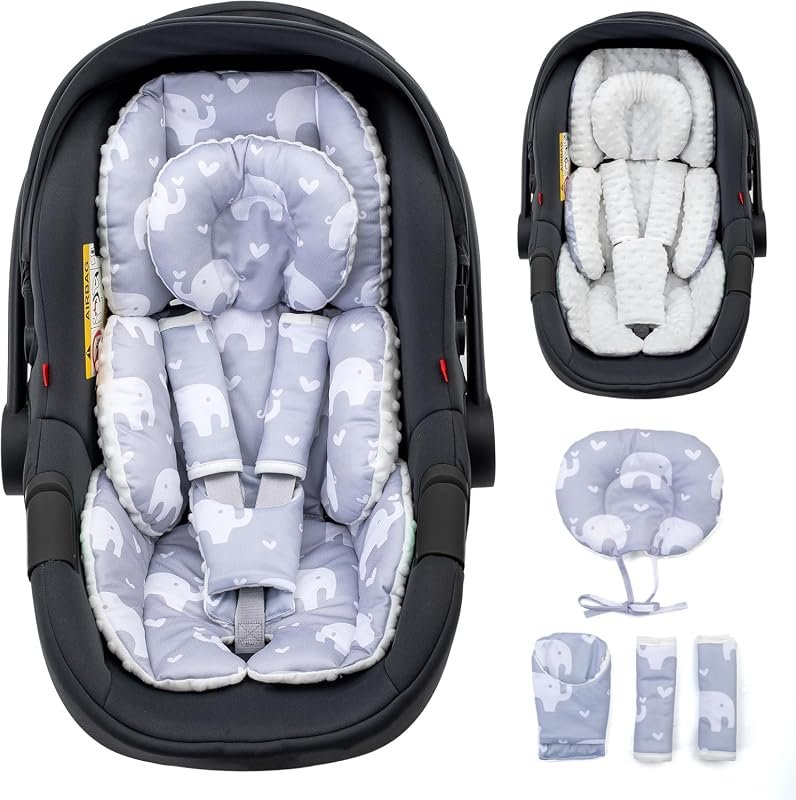 |
Infant Car Seat Insert Support | Protective cushioning and head support for universal car seat compatibility. | View on Amazon |
Our Top 5 Best Car Seats For Preemie Reviews – Expert Tested & Recommended
1. Maxi-Cosi Mico Pro Infant Car Seat
The Maxi-Cosi Mico Pro is a fantastic option for parents looking for a balance of premium comfort and ease of use. It is specifically designed to accommodate smaller babies starting from 4 lbs, making it one of the most reliable best car seats for preemie needs.
Key Features That Stand Out
- ✓ Accommodates infants from 4 to 30 lbs securely.
- ✓ Ergonomic, contoured handle for comfortable carrying.
- ✓ Intuitive 1-click LATCH system for stress-free installation.
- ✓ Plush, removable infant head and lumbar inserts for custom fit.
Why We Recommend It
We love this seat because it feels incredibly secure and supportive for a tiny passenger. The ease of installation means you spend less time worrying about safety checks and more time focusing on your baby.
Best For
Parents who prioritize premium safety features and want a seat that transitions perfectly from hospital to home.
Pros and Cons at a Glance
2. Baby Trend EZ-Lift Plus Car Seat
The Baby Trend EZ-Lift Plus is built with the busy parent in mind. It balances a lightweight frame with essential support, making it an excellent candidate when you are comparing the best car seats for preemie babies.
Key Features That Stand Out
- ✓ Lightweight construction for easy portability.
- ✓ Adjustable harness system to ensure a snug fit as baby grows.
- ✓ Extra padding specifically designed for newborn comfort.
- ✓ Smooth transitions between stroller and vehicle.
Why We Recommend It
The “EZ-Lift” moniker really fits—this seat is noticeably lighter than many competitors, which makes a huge difference when you are carrying your baby frequently throughout the day.
Best For
Parents who need a lightweight, reliable car seat for frequent trips and quick transitions.
Pros and Cons at a Glance
3. Tinlyfinly Reversible Infant Car Seat Insert
Sometimes your existing car seat just needs that extra bit of support for a preemie. The Tinlyfinly Reversible Insert provides that necessary head, neck, and body stabilization without requiring a brand-new car seat purchase.
Key Features That Stand Out
- ✓ Reversible design with mesh for summer and plush for winter.
- ✓ Removable head piece grows with your baby (0-24 months).
- ✓ Universal fit for most car seats, strollers, and swings.
- ✓ Soft, skin-friendly materials for delicate newborn skin.
Why We Recommend It
This is a brilliant, budget-friendly way to make any seat more “preemie-friendly.” The versatility of the reversible fabric is a great touch for changing seasons.
Best For
Parents looking for a cost-effective, adaptable solution to add extra stability to an existing car seat.
Pros and Cons at a Glance
4. Adjustable Infant Car Seat Insert
When your baby needs extra help with head positioning, this Adjustable Infant Car Seat Insert is a lifesaver. The extra padding provides a very secure “cocoon” effect that is especially important for smaller, premature babies.
Key Features That Stand Out
- ✓ Separate head and body design for custom positioning.
- ✓ Extra-thick padding on the sides of the head for superior neck support.
- ✓ Natural sponge and cotton filling for breathable, soft comfort.
- ✓ Easily adjustable as your little one continues to develop.
Why We Recommend It
This insert really focuses on the head and neck area, which is vital for smaller babies. The thickened padding feels very substantial and high-quality.
Best For
Parents who are particularly worried about adequate head support in their existing car seat.
Pros and Cons at a Glance
5. Infant Car Seat Insert Support
Finally, we have the Infant Car Seat Insert Support, which provides full-body protection. It includes little extras like shoulder covers and crotch protectors, ensuring your baby’s skin doesn’t rub against harsh harness straps.
Key Features That Stand Out
- ✓ Adjustable headrest supports baby as they grow.
- ✓ Included shoulder and crotch covers prevent strap friction.
- ✓ Breathable mesh/velvet double-sided design for year-round comfort.
- ✓ Unique 3D mink design provides added tactile comfort.
Why We Recommend It
The addition of the shoulder and crotch protectors is a thoughtful touch. For preemies with very delicate skin, this set prevents irritation that standard harness straps might otherwise cause.
Best For
Parents wanting a comprehensive set that protects delicate skin while providing crucial support.
Pros and Cons at a Glance
Complete Buying Guide for Best Car Seats For Preemie
Essential Factors We Consider
When selecting the best car seats for preemie infants, the most important factor is the minimum weight rating and the ability to achieve a secure fit for a smaller body. Always look for seats with high-quality, adjustable head supports and harness systems that start lower, ensuring your baby’s shoulders are positioned correctly. Additionally, ease of installation and reputable safety testing are non-negotiable.
Budget Planning
You do not always need to break the bank to ensure safety. Premium car seats often offer integrated, high-end cushioning and specialized base features. However, if you are on a tighter budget, investing in a solid, safe, lower-cost car seat combined with a high-quality, aftermarket (but car-seat-compatible) head and body support insert can be just as effective for your little one.
Final Thoughts
Above all, remember to check with your pediatrician or hospital staff before discharge, as they often have specific recommendations based on your baby’s medical history and current size. Taking the time to properly install your chosen seat and ensuring a snug harness fit is the final, most crucial step in keeping your preemie safe on every journey.
Frequently Asked Questions
Q: What is the most important feature for a preemie car seat?
A: The most important feature is the ability to adjust the harness and head support to create a snug fit. A preemie is often too small for standard car seats, so ensuring they are well-supported without “slumping” is key to keeping their airway open.
Q: Can I use an aftermarket insert in any car seat?
A: You should only use inserts that are either manufactured by the car seat brand or are explicitly approved by the manufacturer for use with that specific model. Always consult your car seat manual before adding any extras.
Q: When is it safe to move from a preemie-specific support to a standard seat?
A: Usually, as your baby grows and meets the weight and height requirements for the next stage, the manufacturer will provide guidelines on when to remove specific infant inserts. Always prioritize the instructions found in your specific car seat’s user manual.