
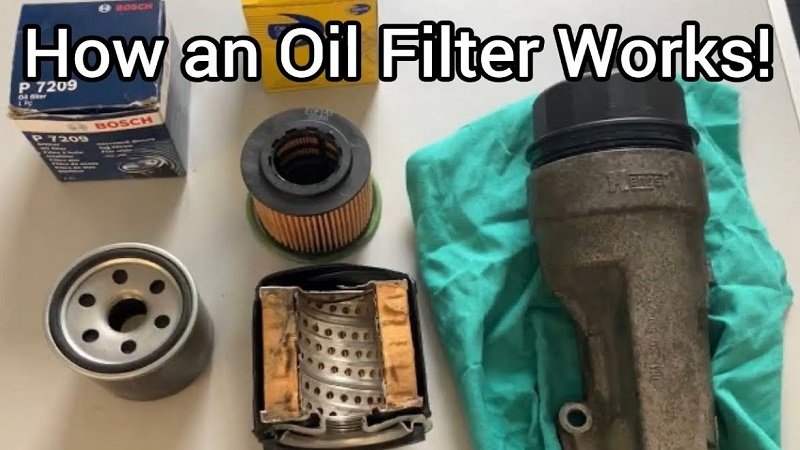
An oil filter plays a crucial role in protecting a car’s engine from wear and tear. Engine oil picks up dirt, metal particles, and other debris as it circulates through the engine. Without a filter, these contaminants can cause friction, damage engine parts, and reduce performance.
Oil filters trap harmful particles while allowing clean oil to flow freely, maintaining proper lubrication and cooling. Modern filters use layers of fine mesh or synthetic fibers to capture even the tiniest impurities, ensuring the oil stays clean longer.
Many drivers underestimate the importance of regular oil filter changes, but neglecting them can shorten engine life and lead to costly repairs. Understanding how an oil filter works helps car owners make smarter maintenance choices.
This small, often-overlooked component acts as a guardian for the engine, silently keeping it running smoothly mile after mile.
How Does An Oil Filter Work?
Engines need oil to work properly. Oil lubricates moving parts, reduces friction, cools the engine, and protects against wear. Over time, oil collects dirt, metal shavings, and other tiny particles.
Dirty oil can damage the engine and reduce efficiency. An oil filter removes these particles from the oil before it reaches engine parts.
Clean oil keeps the engine running smoothly and lasts longer. Understanding how an oil filter works helps you maintain your car and avoid costly repairs.
How Oil Filters Work?
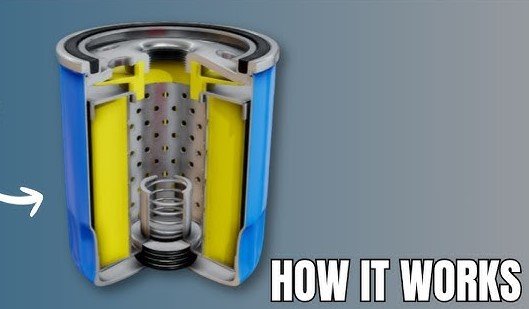
Oil filters clean oil by trapping dirt and debris while letting clean oil flow to the engine. Every time the engine runs, the oil moves through the filter. The filter captures harmful particles, preventing them from damaging the engine.
Main Parts of an Oil Filter
-
Filter Media: The heart of the filter. Made of paper, cellulose, or synthetic fiber. Traps dirt and tiny particles.
-
Center Tube: Holds the filter media. Provides a path for clean oil to flow to the engine.
-
Bypass Valve: Opens if the filter becomes clogged. Allows oil to bypass the media so the engine still gets oil.
-
Anti-Drain Back Valve: Prevents oil from leaving the filter when the engine is off. Helps the engine get oil immediately on start.
-
Gasket: Seals the filter to the engine to prevent leaks.
Step-by-Step Oil Filtration Process
-
Oil Pump Pushes Oil: Engine oil pump moves oil from the oil pan toward the filter.
-
Oil Enters Filter: Dirty oil enters through small holes around the filter base.
-
Oil Passes Through Filter Media: The media traps dirt, carbon, and tiny metal particles.
-
Clean Oil Flows to Engine: Oil exits through the center tube and returns to engine parts.
-
Continuous Filtration: Oil keeps circulating, trapping new dirt as it moves through the filter.
How Oil Filter Protects Engine?
-
Traps Metal Particles: Engine parts wear slightly during use, producing small metal shavings. The filter prevents these from scratching engine components.
-
Removes Carbon and Dirt: Combustion produces carbon and dust. Filter keeps these particles out of engine oil.
-
Prevents Engine Wear: Clean oil reduces friction, protecting pistons, valves, and bearings.
-
Maintains Oil Flow: Bypass and anti-drain back valves ensure oil flows even in extreme conditions.
Types of Oil Filters
Different engines need different filters. Choosing the right type ensures maximum protection.
Spin-On Oil Filters
-
Most common in older and standard cars.
-
Comes as a sealed unit.
-
Easy to replace during an oil change.
-
Popular for DIY car maintenance.
Cartridge Oil Filters
-
Common in modern cars.
-
Only the media is replaced; the housing stays in the engine.
-
Environmentally friendly since less waste is produced.
High-Efficiency and Synthetic Oil Filters
-
Made with advanced synthetic fibers.
-
Can trap extremely small particles, sometimes as small as 10 microns.
-
Last longer and perform better in high-performance engines.
Magnetic Oil Filters
-
Some filters use magnets to attract metal particles.
-
Reduce wear in high-stress engines.
-
Often used in racing or heavy-duty vehicles.
How Often Should You Change Oil Filters?
-
Change filters every oil change. Usually 3,000–7,500 miles depending on car and oil type.
-
Old or clogged filters reduce oil flow. This can cause engine overheating or damage.
-
High-performance or heavy-duty cars may require more frequent filter changes.
Signs Oil Filter Needs Replacement
-
Dark, dirty, or gritty oil.
-
Engine runs rough or makes unusual noise.
-
Oil pressure warning light appears.
-
Reduced engine performance or fuel efficiency.
Extra Tips for Engine Protection
-
Always use the filter recommended in your car manual.
-
Check oil level and quality regularly.
-
Avoid cheap filters that may fail quickly.
-
Replace the filter gasket with every filter change to prevent leaks.
-
Consider high-efficiency filters for high-mileage or older engines.
Benefits of a Good Oil Filter
-
Protects engine from harmful debris.
-
Extends engine life.
-
Maintains smooth engine operation.
-
Helps prevent costly repairs.
-
Slightly improves fuel efficiency by keeping engine parts clean.
FAQs About Oil Filters
Q1: Can a clogged oil filter damage my engine?
Yes. A clogged filter reduces oil flow and can cause overheating or engine wear.
Q2: Can I reuse an oil filter?
No. Filters are designed for single use. Reusing can allow dirt into the engine.
Q3: Do synthetic oils need special filters?
Synthetic oil works best with high-efficiency filters to maximize protection.
Q4: Can oil filters fail?
Yes. Cheap or damaged filters may leak, clog, or allow dirt to pass.
Q5: Is oil filter size important?
Yes. Using the correct size ensures proper sealing and oil flow.
Conclusion
Oil filters play a critical role in engine health. They trap dirt, metal, and other harmful particles, keeping oil clean. Different types of filters suit different engines, from standard cars to high-performance vehicles.
Replacing filters regularly ensures smooth engine operation, longer engine life, and better fuel efficiency. Clean oil keeps engines safe. A good oil filter keeps engines running strong and reliable.